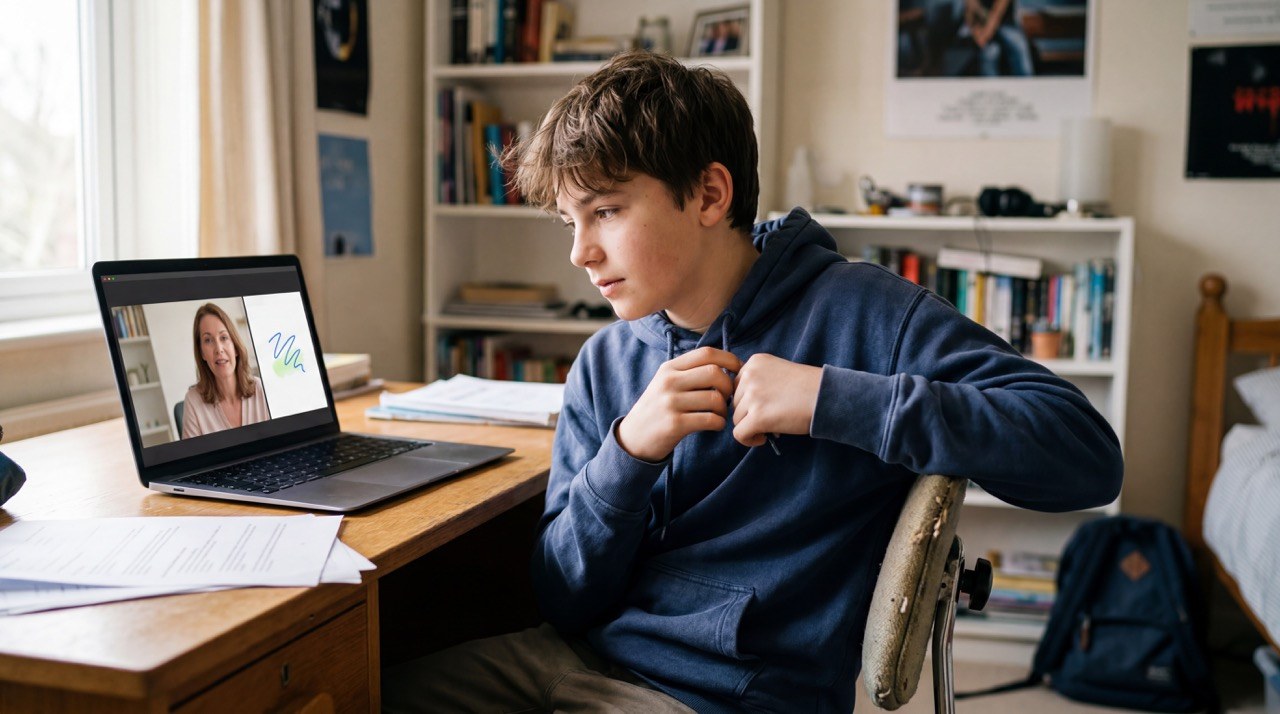
Pride is about honoring who we are and feeling free to express ourselves. For therapists, it’s also a reminder that children and teens in the 2SLGBTQIA+ community need spaces where they feel safe, seen, and supported—no matter the time of year.
Many young people in this community face big challenges. They may feel unsure about being themselves at school, in their families, or with friends. Therapy can be a place where they feel accepted, just as they are.
At PlaySpace, we believe that play can help kids and teens tell their stories, explore their feelings, and discover who they are. It’s more than fun, it’s a powerful tool for healing, trust, and self-expression.
What Is a Brave Space?
A brave space is a place where a client feels safe enough to be themselves, even when they’re still figuring that out.
In a brave space, kids and teens can:
- Ask questions
- Share feelings
- Try out new ideas about who they are
They don’t need to explain everything perfectly. They just need to know they’ll be respected.
How Play Supports Identity
Some clients may not have the words to describe how they feel inside. But they often show it through play.
For example, a client might:
- Build a dollhouse with two moms, two dads, or a chosen family
- Draw a flag or symbol that represents pride or identity
- Use a name or color that feels right to them
- Make a sandtray scene that shows how they wish the world could be
These choices tell us something important. When therapists notice and support these moments, it helps the client feel more confident and understood.
Ideas for Affirming Play
Here are some ways you can support 2SLGBTQIA+ clients using virtual play tools:
- Use the dollhouse or sandtray to build scenes with diverse families or safe spaces
- Let clients rename characters or figures to match their identity
- Invite creative expression through the whiteboard
- Offer open-ended prompts like “If you could be anyone today, who would you be?”
- Notice when themes like color, space, distance, or connection come up in play
The goal is not to label or explain everything. It’s to give kids room to explore and feel supported while they do.
You Don’t Need to Have All the Answers
You don’t have to be an expert to be affirming. What matters most is being open, kind, and ready to listen.
Let your client take the lead. Be curious, not pushy. Offer choices. Notice what they choose. Celebrate what they create.
Even small moments of support can make a big difference.
PlaySpace Is Here to Help
Our tools were designed to help therapists create spaces that are welcoming, flexible, and affirming for all clients. We believe every child and teen deserves to feel safe being themselves, whether they’re exploring identity, building confidence, or just playing freely.
💛 We’re proud to support 2SLGBTQIA+ clients, therapists, and families every day.
Want to learn how PlaySpace supports inclusive therapy?