Your assistant for pediatric clinical care
Alliance helps you draft clinical notes, review the therapeutic relationship, track progress and prepare home activities. You review and finalize every note. You approve activities before they’re shared with families.
Built for pediatric clinicians, practices and health systems.
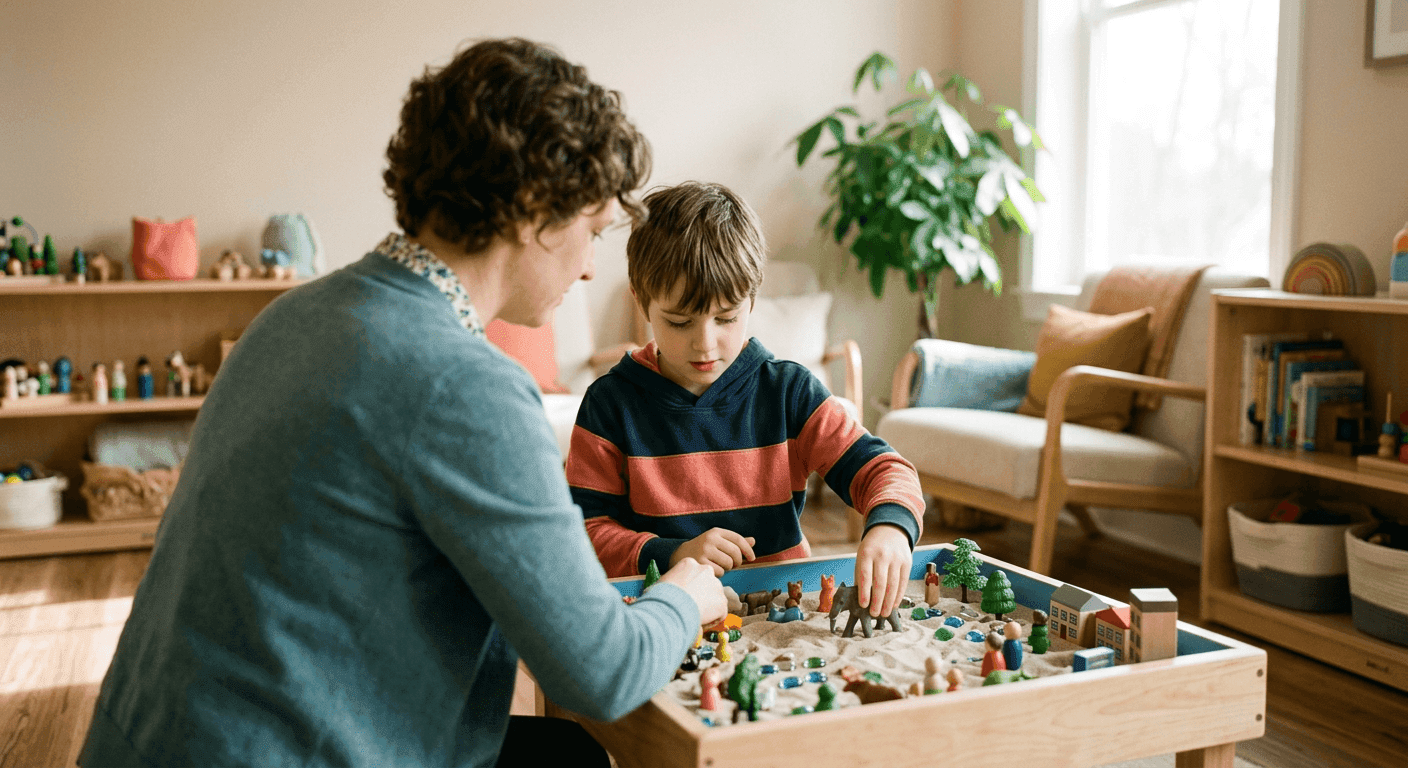
Clinician What happened when the storm came?
Child, 9 He hid in the cave.
- SWithdrawal theme in sandtray narrative
- OCompleted guided breathing with modeling
- AEmerging use of coping skill outside session
- PAdd school-day breathing to Play Plan
Add a 3-minute “balloon breaths” activity for school mornings.
Awaiting your reviewIllustration: a play therapy session is captured, turned into a draft SOAP note linked to evidence, and summarized into alliance trends and a recommended next step awaiting your review.
Designed with clinicians across pediatric disciplines
Documentation designed for pediatric care
Children communicate through play, stories and behavior. Alliance helps you include these observations alongside caregiver reports and developmental context in your clinical record.
- Appointment time
- Billing code
- Free-text note
Appointment details and billing codes need clinical context to explain a child’s progress.
- Play & narrative
- Developmental stage
- Caregiver context
- Trust & rapport
- School & home
- Small moments of change
PlaySpace is designed to hold this context—so it can inform documentation, relationships and next steps.
Tools for your clinical workflow
Use session information to draft notes, review progress and prepare home activities. You review every output.
- Stage 1 of 5
Capture the session
With consent, PlaySpace captures conversation, play activities and caregiver context—in person or via telehealth.
Recording · 18:42ClinicianChild, 9CaregiverSandtray - Stage 2 of 5
Create the record
Draft SOAP, DAP or custom notes in minutes, every line linked to the moment it came from.
SubjectiveObjectiveAssessmentPlan4 sections · 6 evidence links - Stage 3 of 5
See the relationship
Estimate bond, goals and task agreement across sessions so shifts in connection are easier to notice.
Bond71Goals66Tasks64 - Stage 4 of 5
Track what is changing
Connect goals, measures and caregiver reports to see progress for each child and across programs.
Morning transitions8 weeks · caregiver + clinician measures - Stage 5 of 5
Recommend next steps
Suggest personalized Play Plan activities that clinicians accept, adapt or reject.
Suggested activityOrbit Breathing
5 min · Age 8–10 · Home & school
AcceptModifyReject
- Engage
- Capture
- Understand
- Support
- Measure
- Improve
Review the therapeutic relationship
The relationship between a child and clinician is one of the strongest predictors of progress. PlaySpace helps you notice how it's changing—session by session.
- Bond, goals and task agreement estimated from session signals
- Possible ruptures surfaced with confidence and contributing signals
- Override any insight, with your rationale recorded
- Bond
- Goals
- Tasks
Moderate confidence. Contributing signals: shorter responses, activity refusal at 18:40, less shared attention during sandtray.
Alliance insights support reflection and supervision. They are not a diagnosis or a measure of clinician performance.
Draft notes from your sessions
Draft review-ready notes from the session—every section traceable to the moment it came from, so you can edit with confidence.
- 04:12Clinician
What happened to the dragon when the storm came?
- 04:20Child, 9
He hid in the cave. He didn’t want anyone to see him.
- 11:48Clinician
Let’s try the balloon breaths together—in for four.
- 12:30Child, 9
That one’s easier. Can I do it at school?
- 19:05Caregiver
Mornings are still the hardest part of the week.
- Draft
- Edit
- Sign
- Export
Create activities for each child’s goals
Describe what a child needs in plain language. PlaySpace drafts a developmentally-appropriate activity you can review, adapt and share.
 Child view
Orbit Breathing
Trace the planet’s orbit with your finger. Breathe in as you go up, out as you come down. Five orbits and you’re ready to launch.
- Model one orbit slowly, counting 4 in and 4 out.
- Invite the child to name a “launch word” for school.
- Send the caregiver version for mornings.
Goals, routines and measures for one child over time.
Outcomes show association, not causation.
Track progress across your caseload
Review goals, measures and caregiver reports for each child, or use de-identified reports to examine trends across your programs.
Clinical intelligence, connected to the whole child.
Care Intelligence sits alongside tools for practice operations and for families—so insight doesn't stop at the clinic door.

Care Intelligence for clinicians
Documentation, alliance, outcomes and Play Plans, with every output reviewed by you.
Run the practice around the child
Scheduling, intake, consent and team workflows that stay in sync with care.
Keep growing between sessions
Kid-friendly activities and caregiver guidance from the Play Plan, at home.
Visit playspace.health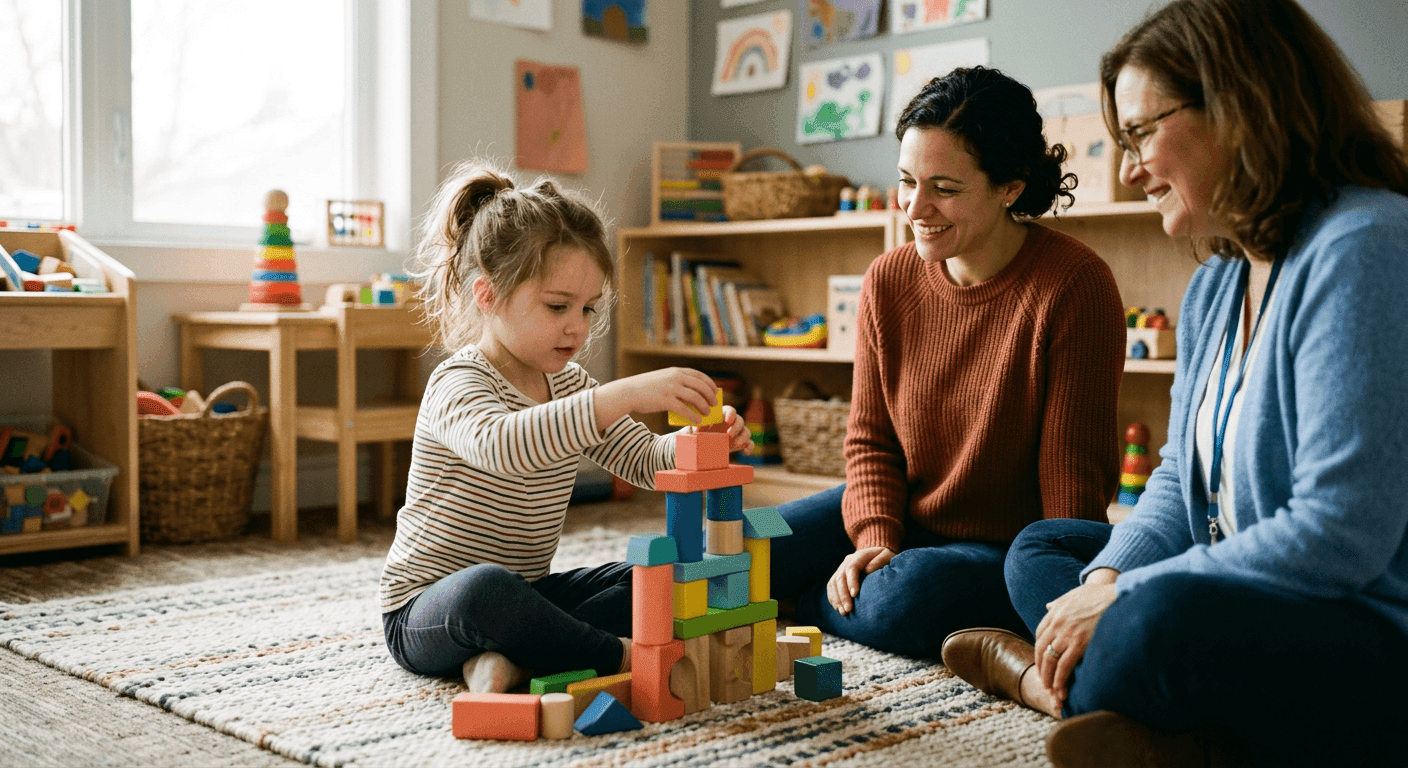
“We wanted technology that treats play as data worth understanding—not noise to be filtered out.”
Powerful AI needs visible boundaries.
PlaySpace is designed to support—not replace—clinical judgment. Every insight is explainable, reviewable and reversible, and families stay in control of their data.
Read our trust principles- Guardian consent & child assent
- Your review on every output
- Override with recorded rationale
- Evidence-linked insights
- Encryption in transit and at rest
- Role-based access & SSO
- Full audit history
- Configurable data retention
- Age-aware safety settings
- Bias & fairness monitoring
- No model training on your data without permission
See how Alliance supports your clinical work
Explore clinical notes, progress tracking and home activities in a walkthrough tailored to your practice.