Some days, a child enters session already overwhelmed. They’re talking fast, tearful, oppositional, or bouncing from one thing to the next. Other days, dysregulation looks quieter - a blank stare, minimal responses, camera off, shoulders slumped.
Different presentations. Same nervous system story.
When a child is dysregulated, therapy can quickly feel chaotic. We can feel the urgency to do something - introduce a new strategy, redirect behavior, push into coping skills. But in those moments, what helps most isn’t a new technique.
It’s structure.
Predictability tells the nervous system, You don’t have to brace here. And when a child’s body feels safe, regulation becomes possible.
Intentional session structure transforms dysregulated moments into therapeutic momentum - especially in virtual and hybrid care, where environmental control is limited and transitions can feel abrupt.
Let’s look at how simple, consistent structure can move sessions from chaos to calm.
When a child is in fight, flight, or freeze, higher-level processing is offline.
Cognitive strategies won’t land. Insight won’t stick.
So we start with state.
Consistency matters more than complexity.
Try beginning every session with the same regulation sequence:
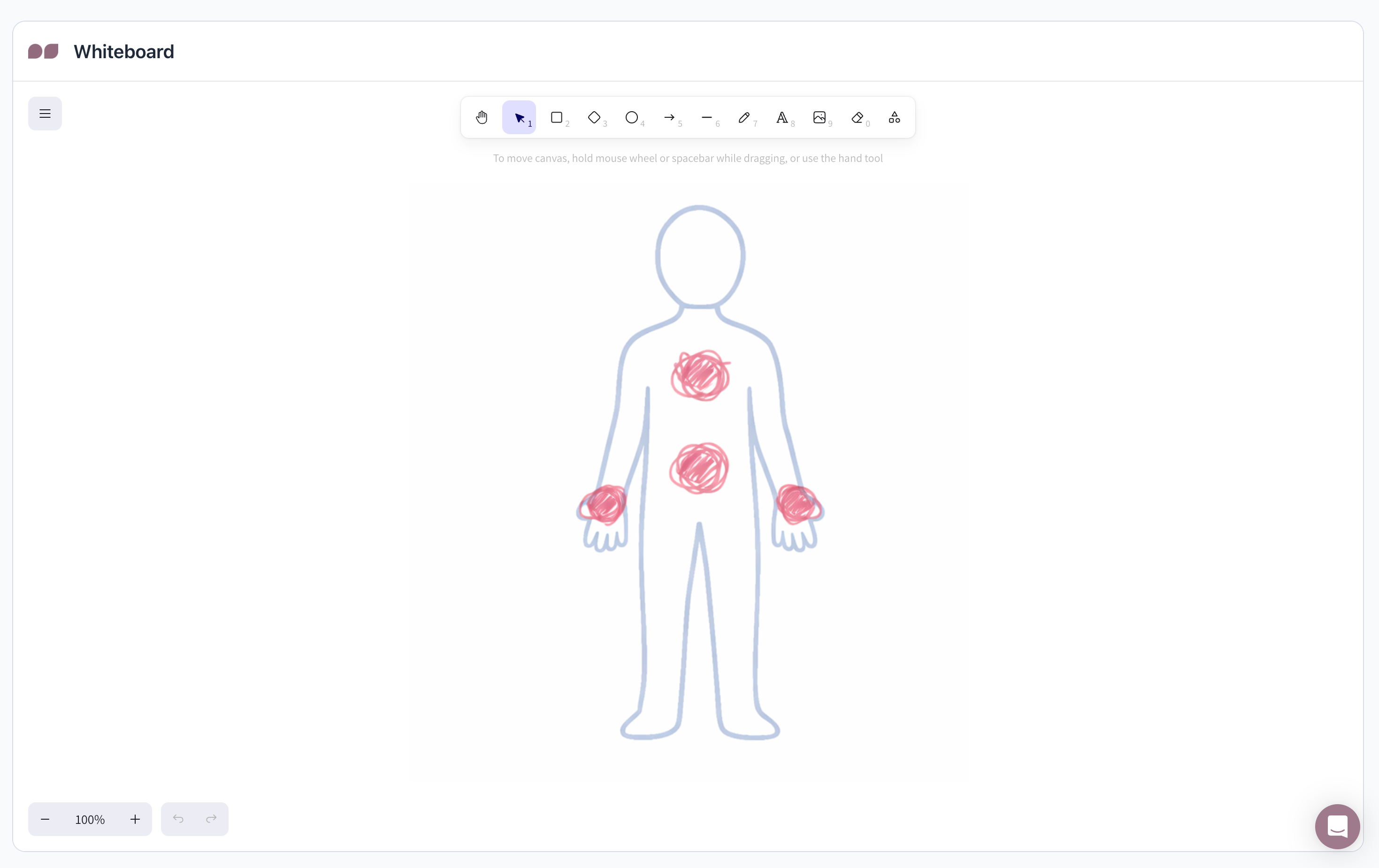
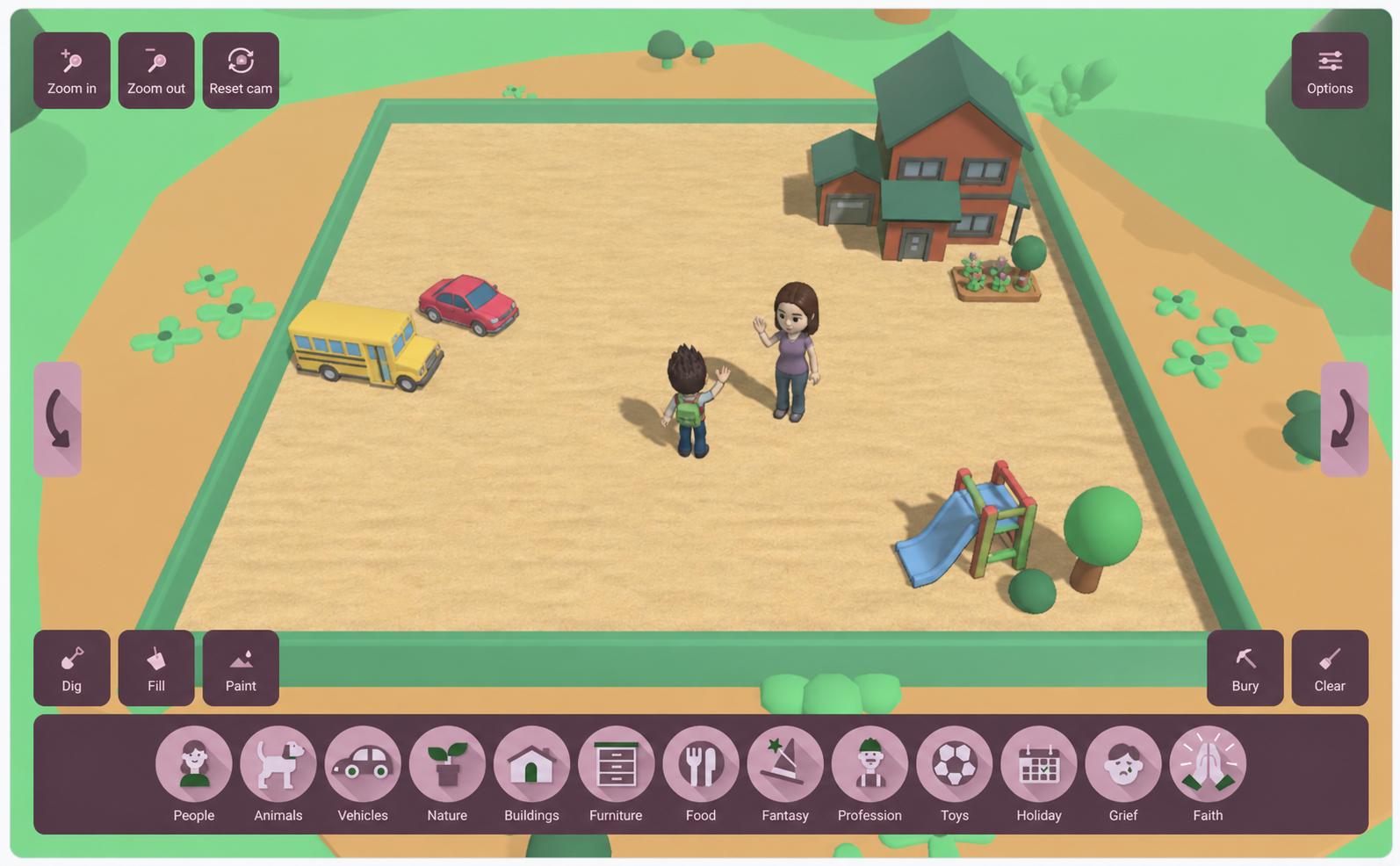
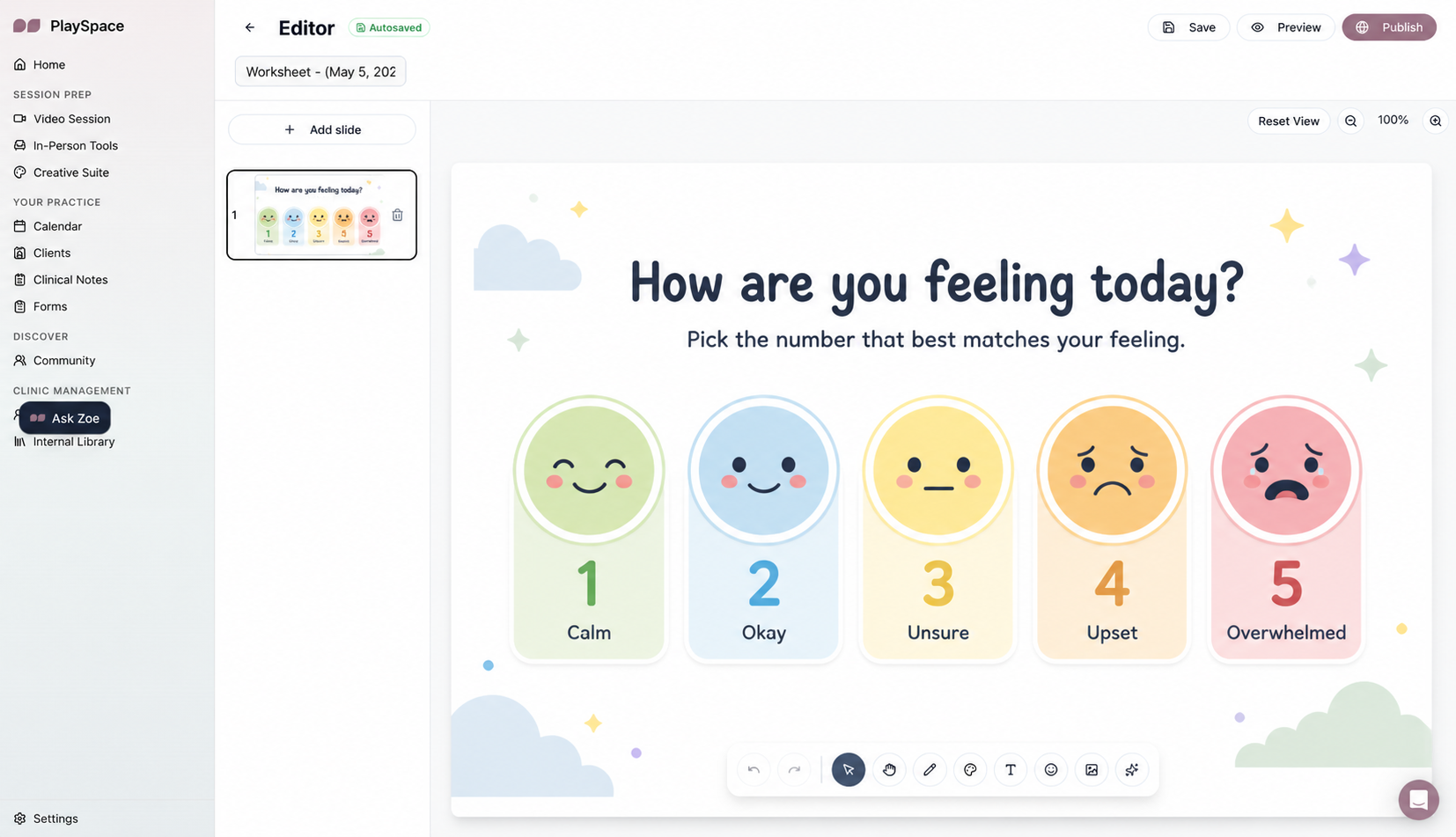
When the opening rhythm stays predictable, the nervous system learns:
“I know what happens here. I’m safe here.”
That sense of safety lowers arousal before you even begin your clinical intervention.
Many dysregulated children struggle with transitions and uncertainty.
When they don’t know what’s coming next, their bodies react.
A simple visual plan can change everything.
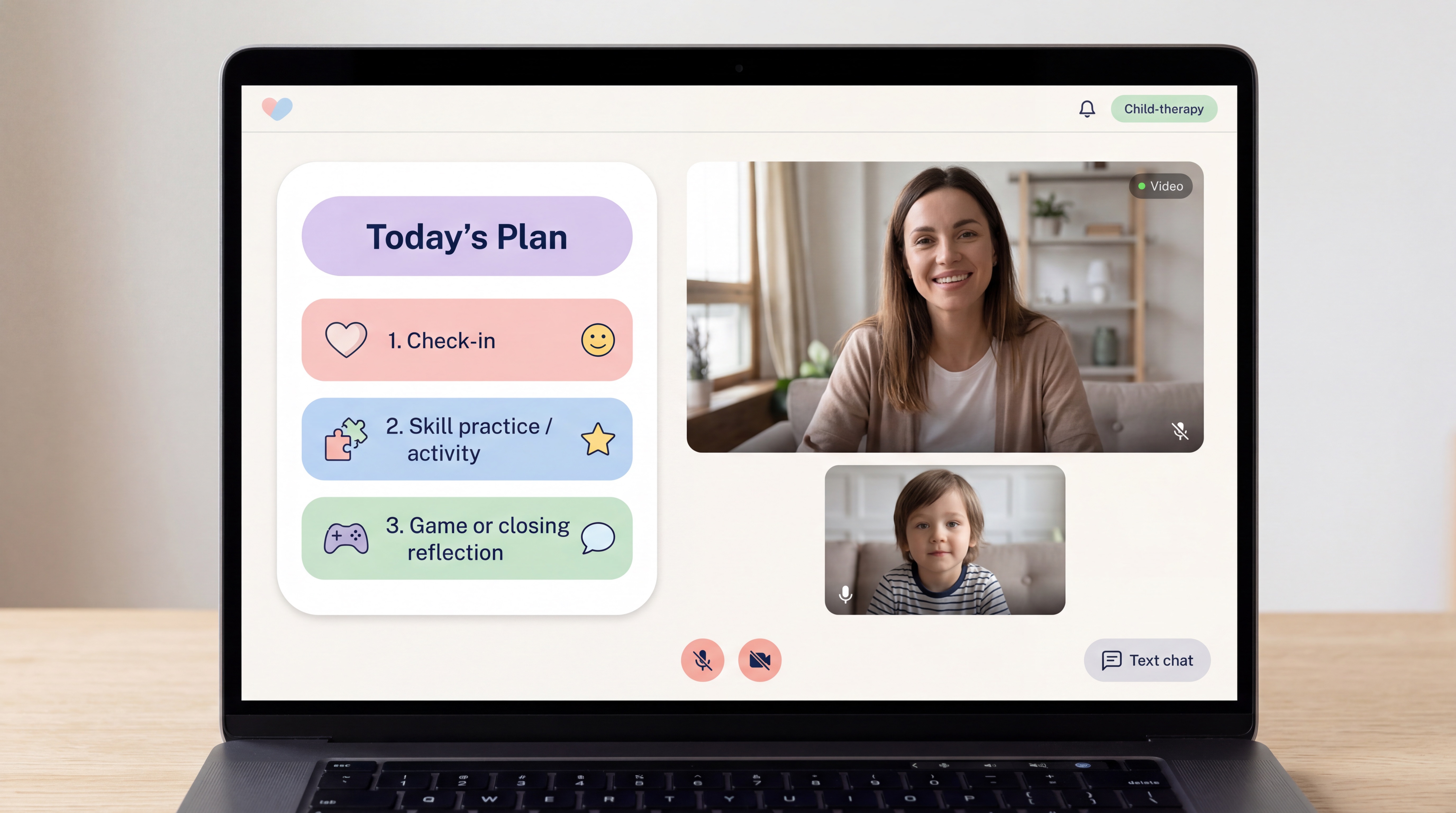
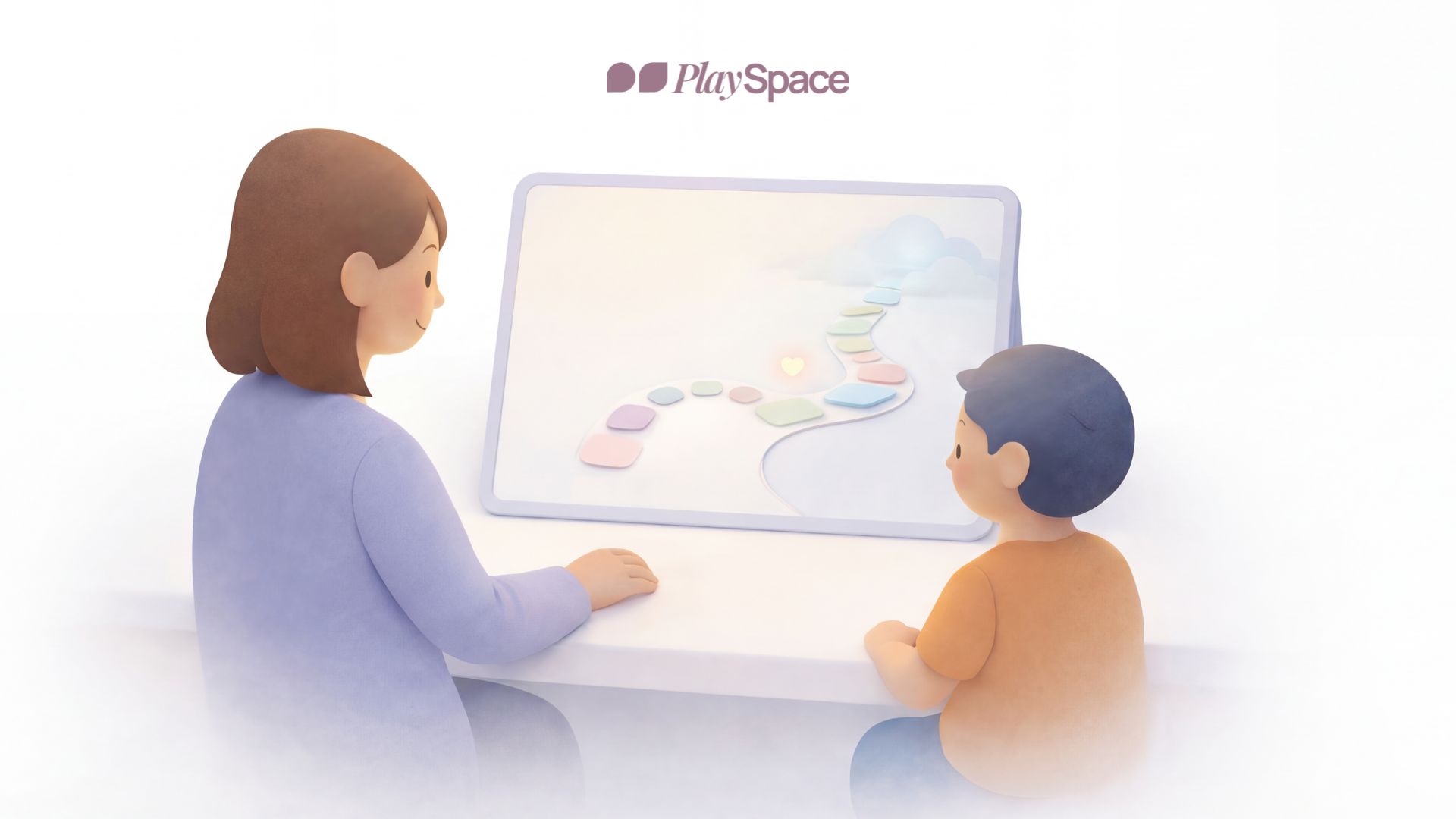
At the start of session, create a three-part roadmap:
Use:
Then say:
“First we’ll check in. Then we’ll practice. Then we’ll play.”
Predictability reduces power struggles and increases cooperation.
For dysregulated kids, too much freedom can increase overwhelm.
Instead of asking:
“What do you want to do today?”
Offer structured choice:
“Do you want to start with the Sandtray or Breathing Roulette?”
The difference is subtle, but clinically powerful.
Using the Playroom, you can visually point to two regulated options:
Choice within structure supports autonomy while maintaining containment. Containment builds calm.
Dysregulation often spikes during transitions. Instead of fighting it, build movement into the structure.
Then transition into:
When movement is embedded intentionally, it becomes therapeutic, not disruptive.
Structure isn’t about control. It’s about co-regulation.
Many dysregulated children live in environments that feel unpredictable - socially, emotionally, or neurologically.
When therapy feels steady, rhythmic, and contained, it becomes a corrective experience. At PlaySpace, we believe digital tools should enhance that structure, not complicate it.
That’s why our platform allows therapists to:
Built by therapists. Grounded in evidence-based practice. Designed for real-world clinical work.
Because calm isn’t accidental. It’s structured.
Explore PlaySpace’s structured, interactive tools:
Create rhythm. Build safety. Support regulation.
👉 Start your free trial at PlaySpace.health
.jpg)
Lorem ipsum dolor sit amet, consectetur adipiscing elit, sed do eiusmod tempor incididunt ut labore et dolore magna aliqua. Ut enim ad minim veniam, quis nostrud exercitation ullamco laboris nisi ut aliquip ex ea commodo consequat. Duis aute irure dolor in reprehenderit in voluptate velit esse cillum dolore eu fugiat nulla pariatur.
Block quote
Ordered list
Unordered list
Bold text
Emphasis
Superscript
Subscript
.avif)
Subscribe to our weekly Newsletter
By clicking 'Submit,' you confirm that you have read and agree to the Privacy Policy, Terms of Use, and Customer Agreement.



.jpg)






.jpg)



.jpeg)