
Pride Month is more than a calendar event. For many children and teens, it's a rare moment to feel visible, and therapy can be where that visibility becomes healing.
June arrives. The rainbow flags go up. And in your therapy room, or on your screen, a child might be watching for a signal.
Do I belong here too?
Pride Month isn't just a cultural moment. For many young clients, it's a test. A quiet scan to see whether the adults around them, including their therapist, recognize them as whole, worthy, and worth celebrating.
Whether you work with children who are beginning to explore identity, teens navigating coming out, or families in the middle of those conversations, June offers an opportunity you shouldn't miss.
Research consistently shows that 2SLGBTQIA+ youth face higher rates of anxiety, depression, and suicidal ideation, not because of who they are, but because of how the world responds to them. The single most powerful protective factor? Feeling accepted.
A 2023 Trevor Project survey found that LGBTQ+ youth who reported having at least one accepting adult in their lives were 40% less likely to report a suicide attempt. Therapists can be that adult.
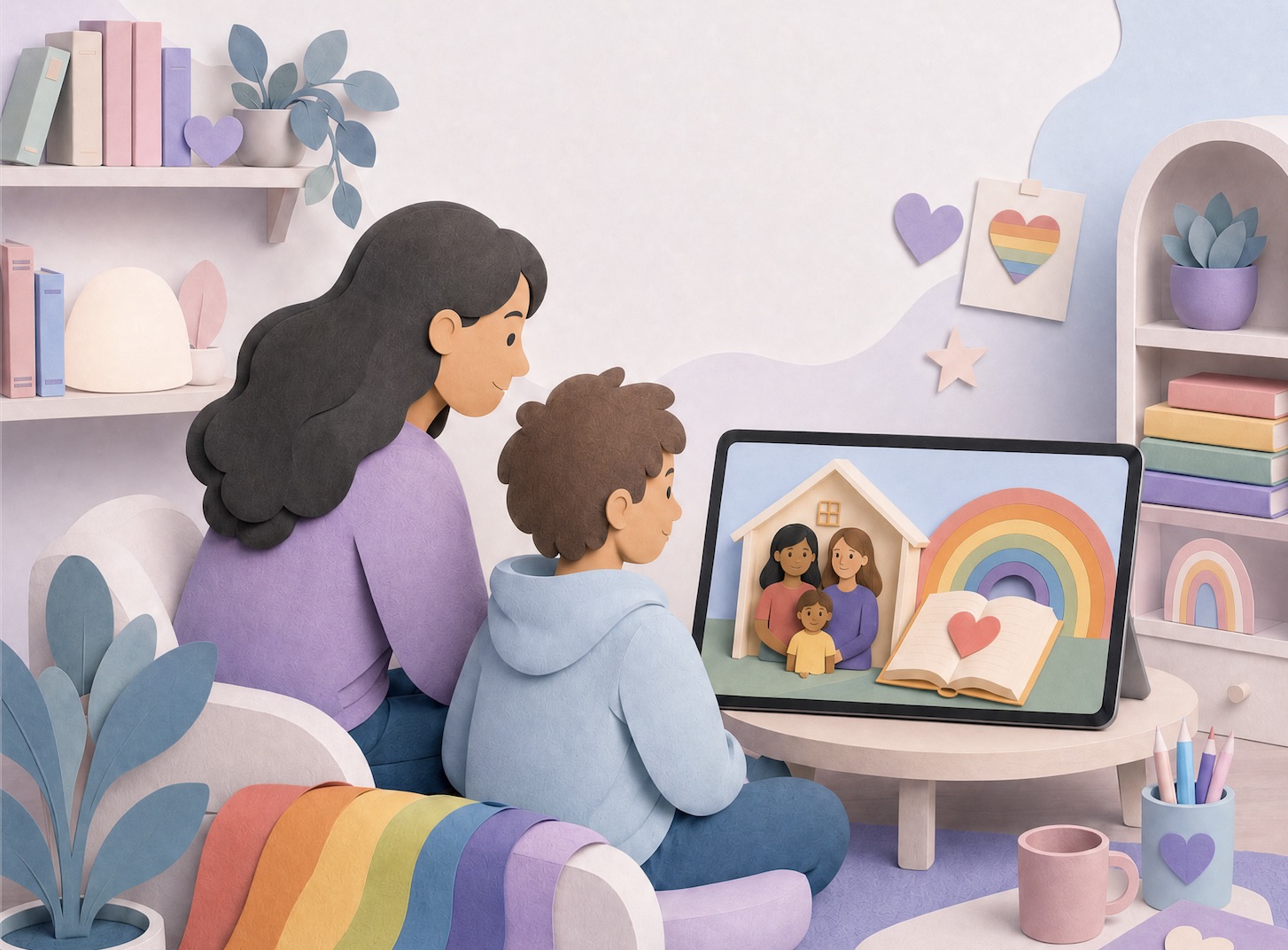
But affirmation doesn't always come from words. For children and teens especially, it often comes from the environment, the tools, and the stories around them. What you offer in the therapy space communicates something long before a session starts.
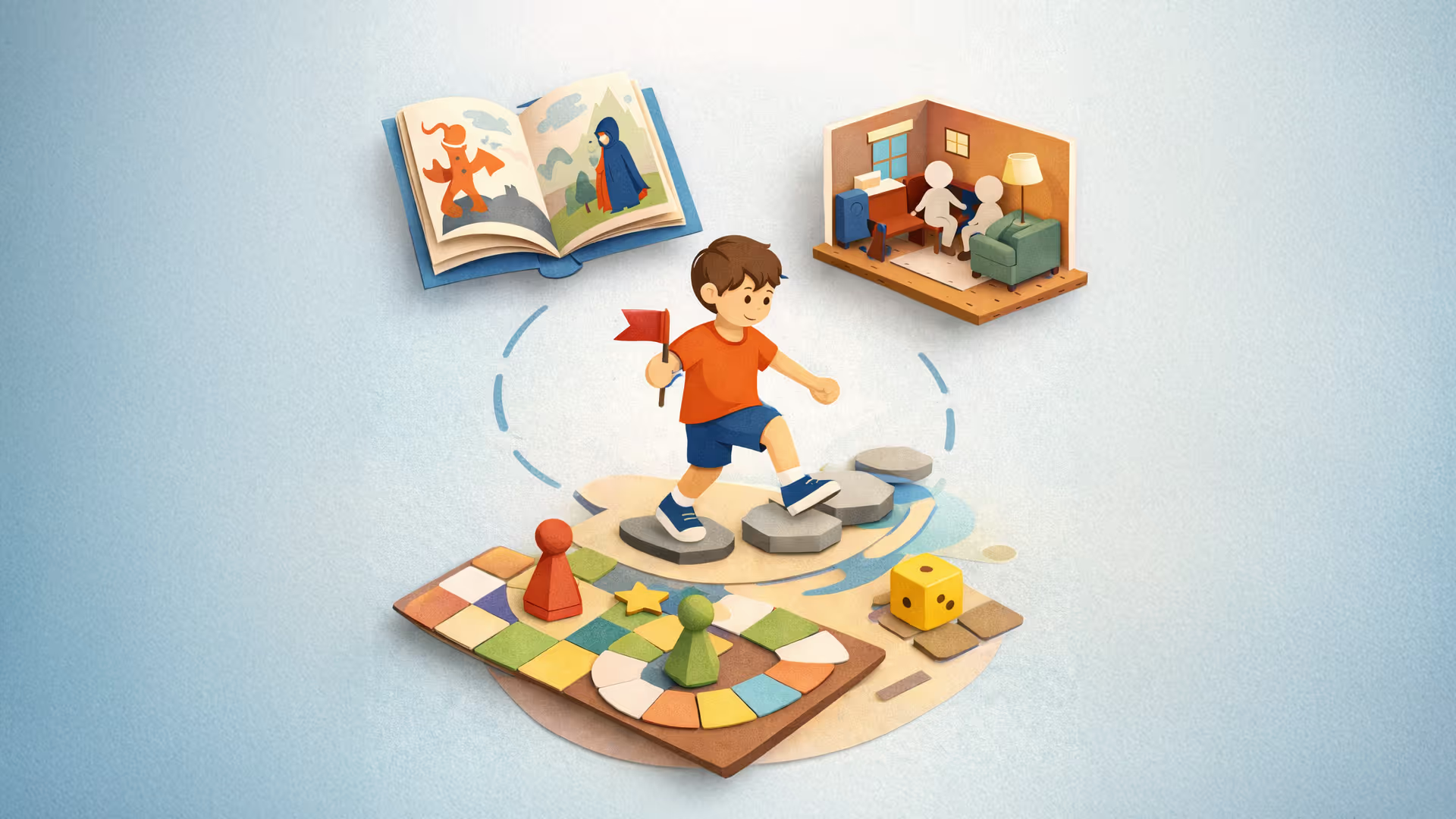
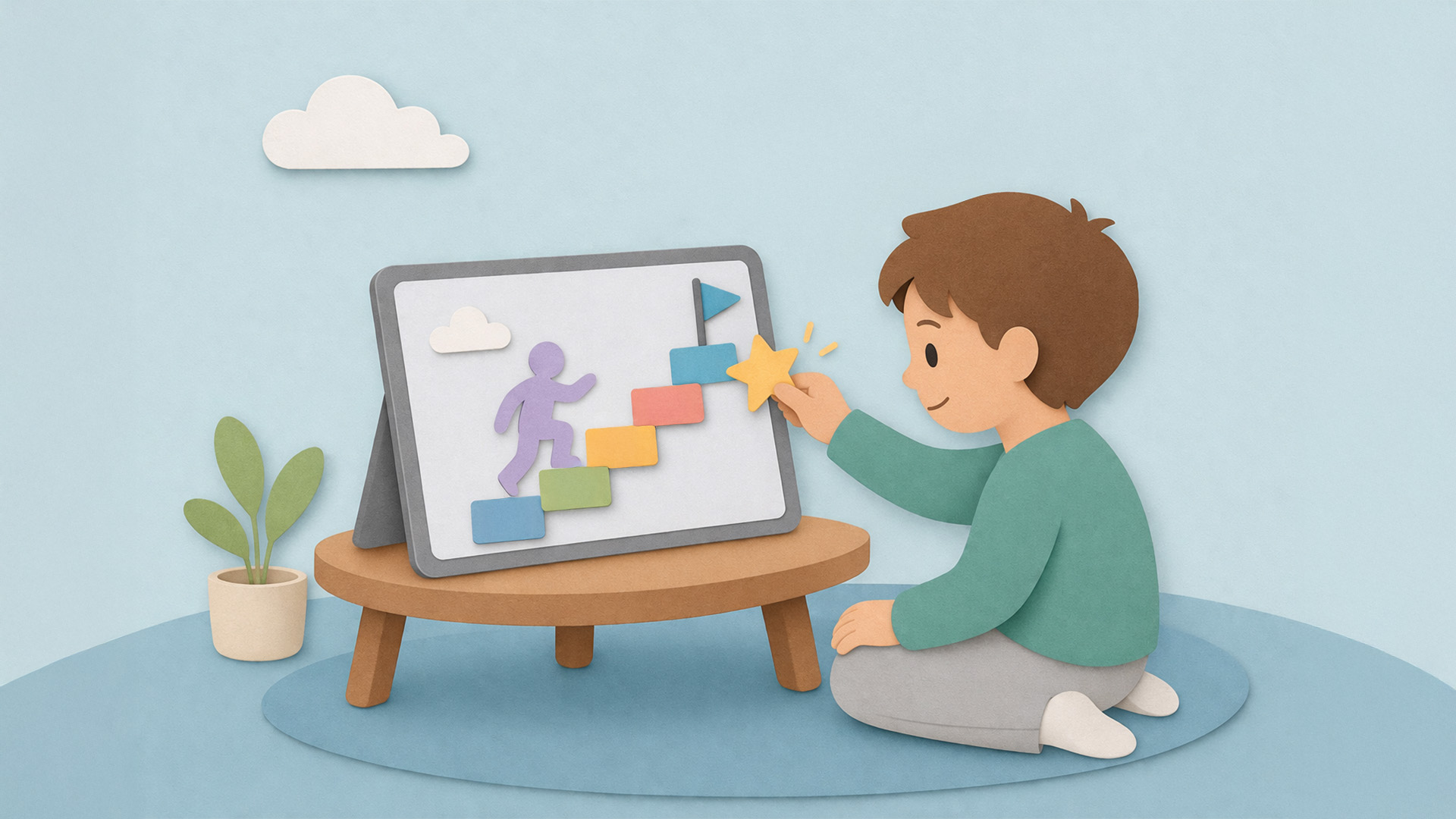
Younger children are often in early stages of identity exploration, and they may not have language for what they're experiencing. They might draw families that look different from their own. They might want to play characters of different genders. They might ask questions that catch you off guard.
Your job isn't to lead the conversation. It's to make sure nothing in your space shuts it down.
PLAYSPACE TOOLS FOR CHILDREN
■ Dollhouse: Offer diverse family configurations in the virtual dollhouse that let children build and explore the families they imagine without judgment. Representation in the play materials itself is a powerful message.
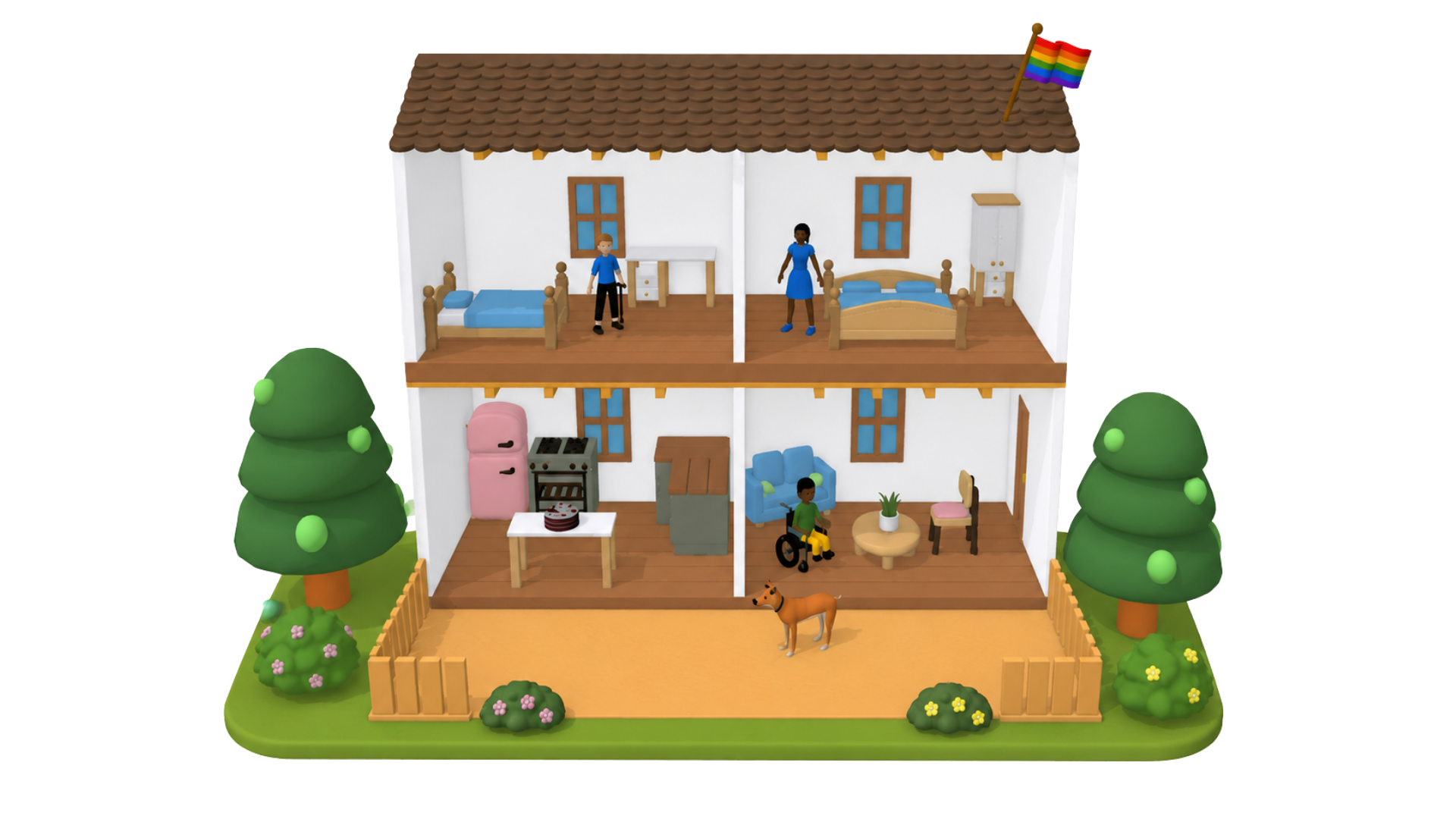
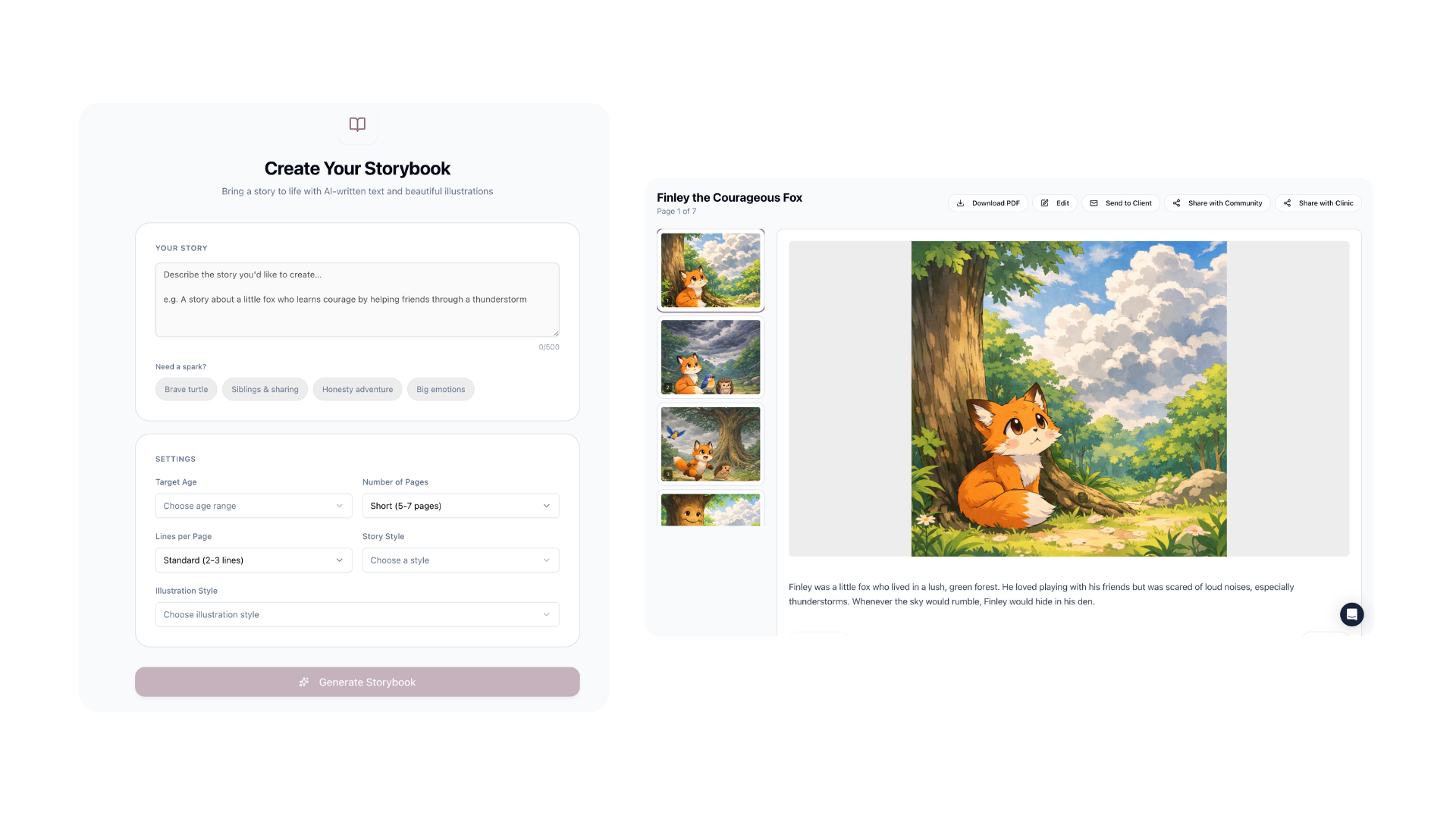
■ AI Storybook Creator: Co-create a story with a child-directed main character. Let them choose the character's name, family, and identity without steering. Witnessing their own narrative unfold is deeply validating.
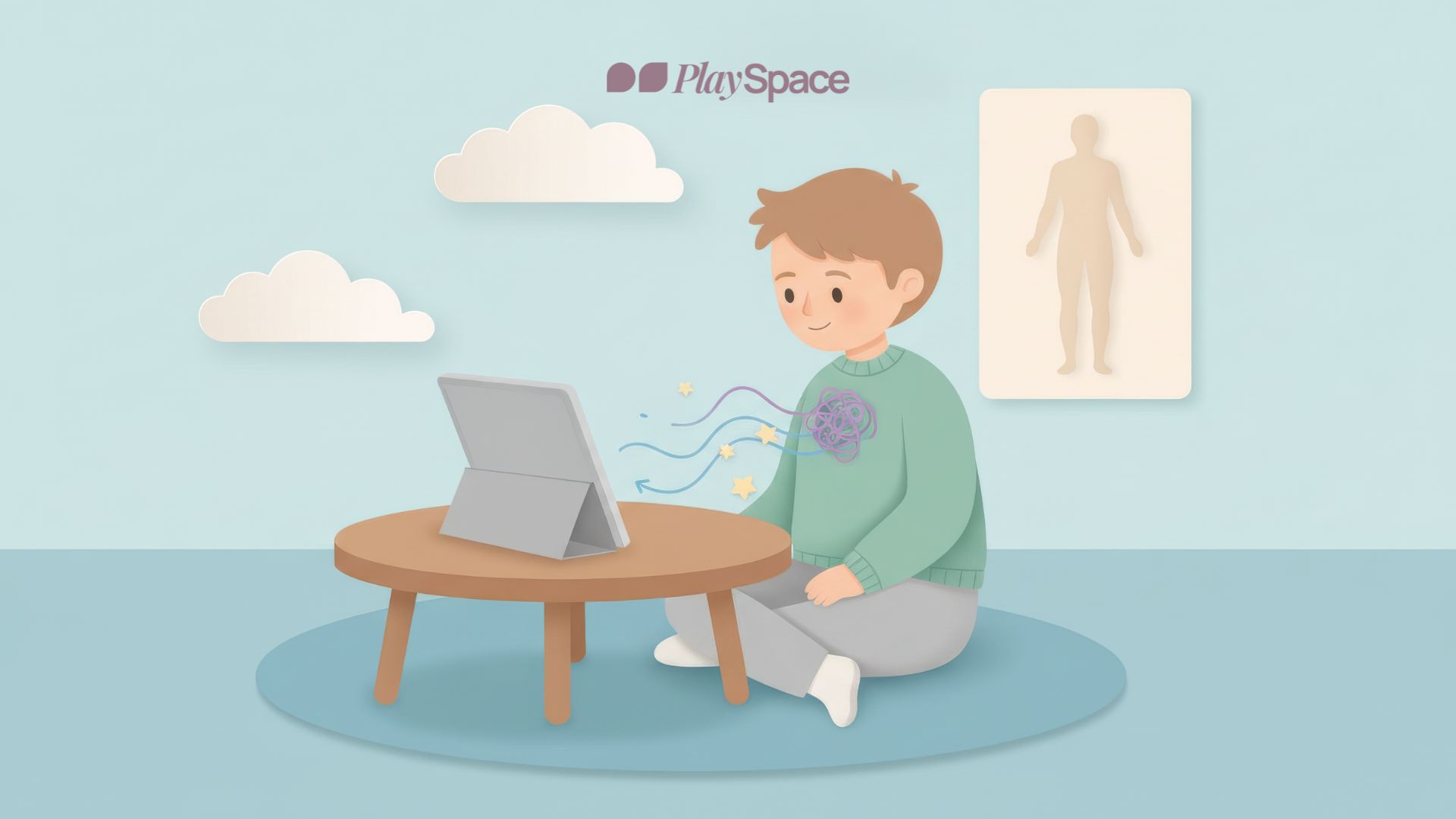
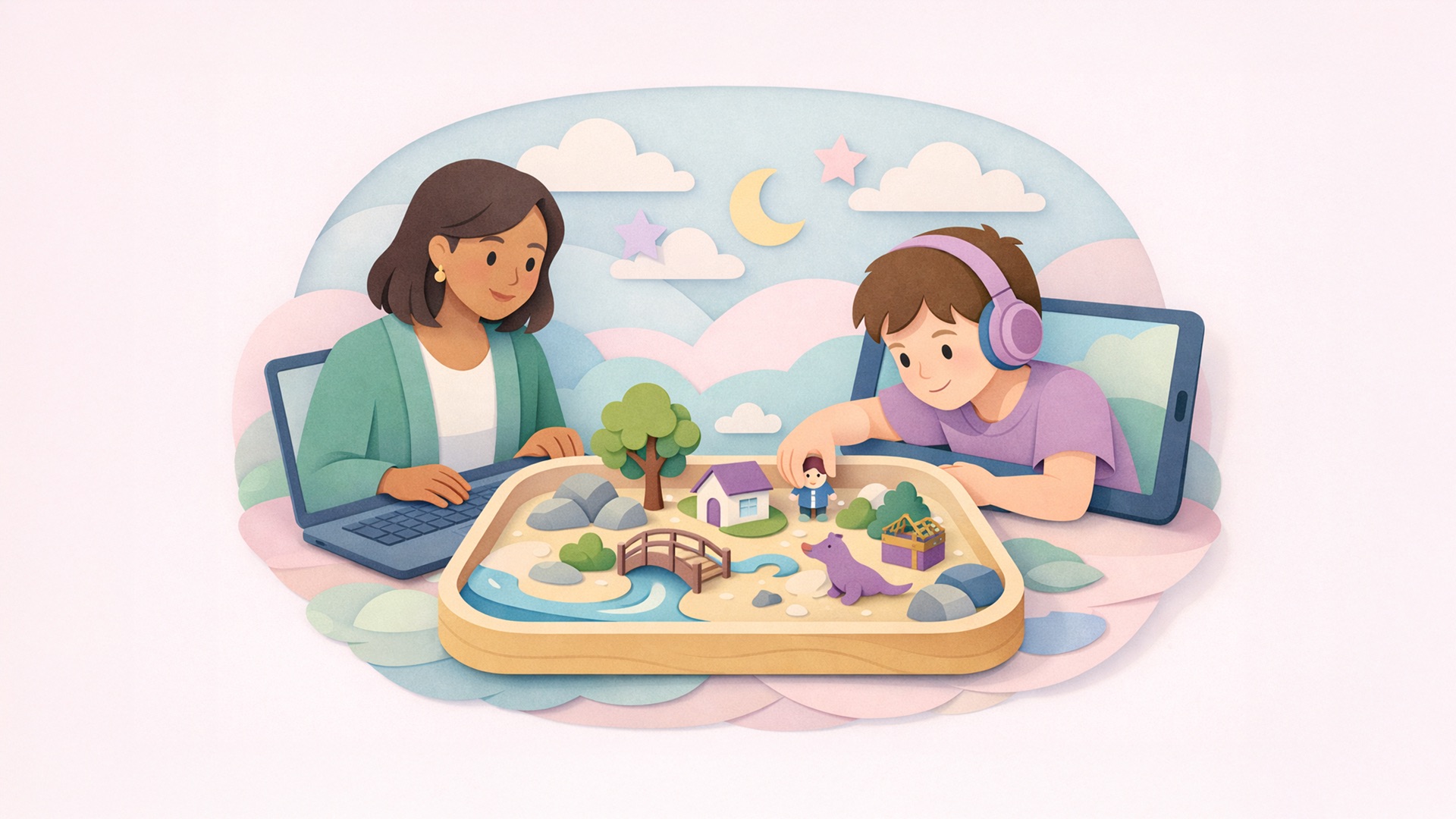
■ Sandtray: Use the virtual sandtray to invite symbolic exploration. A child might choose miniatures that represent their inner world in ways they can't yet speak.
.png)
The goal at this age isn't to name or label, it's to offer a space expansive enough that all parts of a child are welcome.
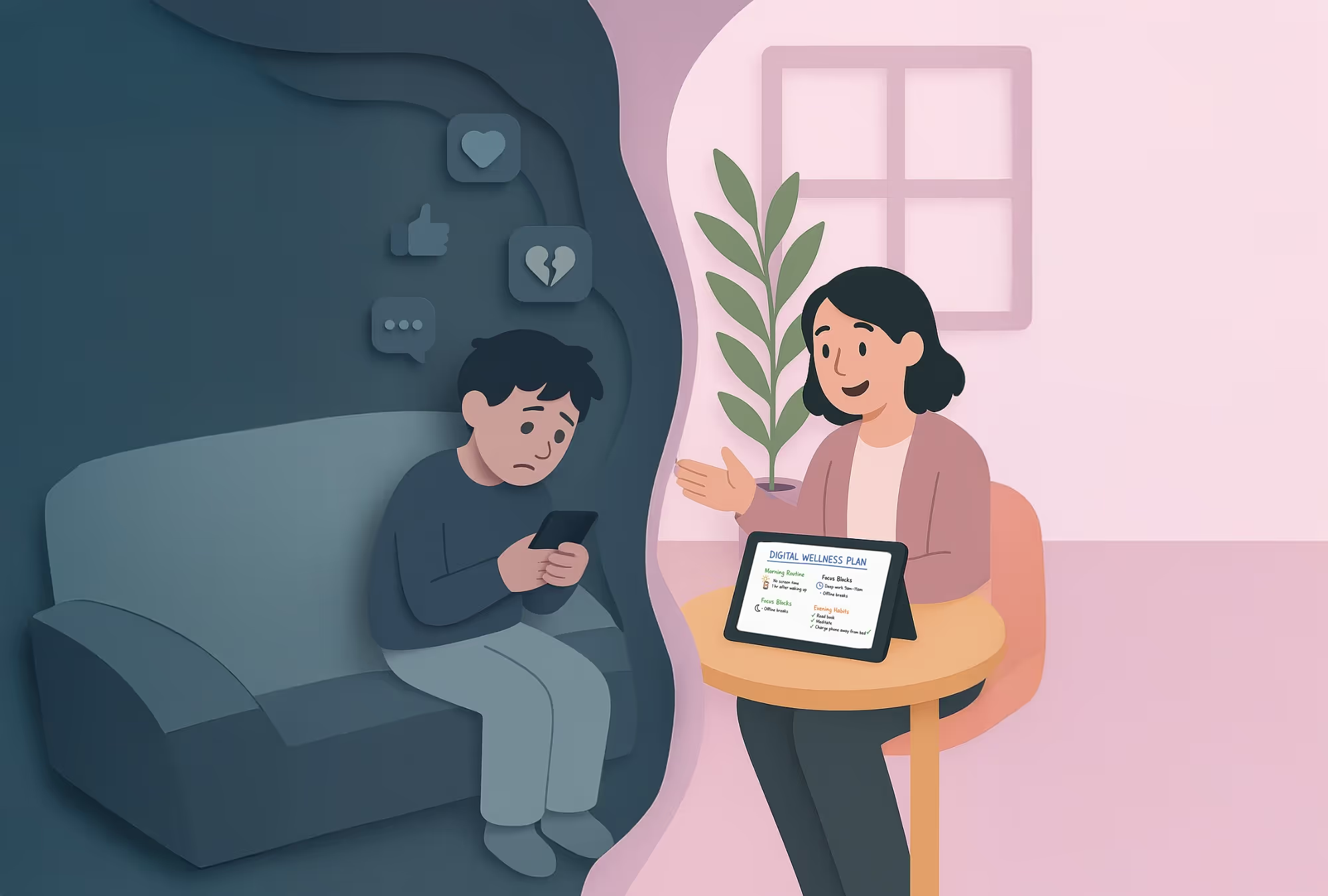
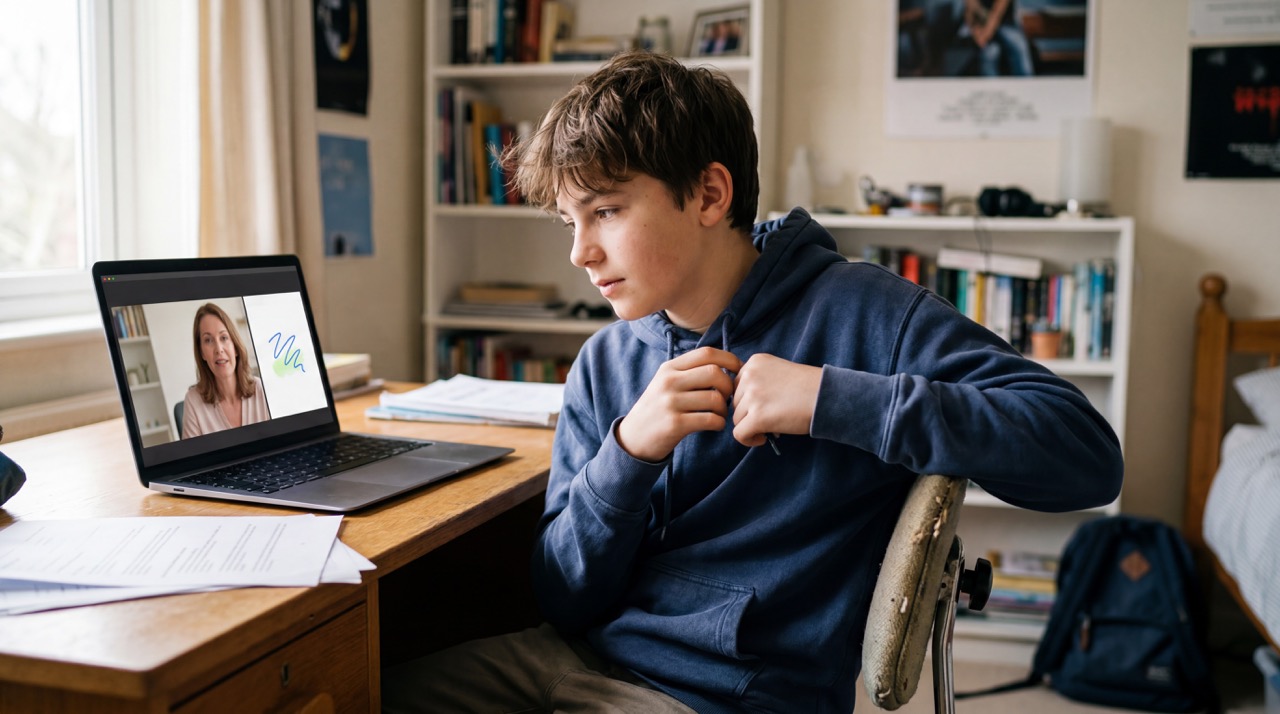
Teenagers are more likely to have language for identity. However, language comes with risk. Coming out, or even considering it, can feel like stepping onto unstable ground. Many 2SLGBTQIA+ teens carry an exhausting dual awareness: navigating who they are while constantly monitoring how safe it is to be visible.
Your therapy space can be a place where that vigilance gets to rest.
PLAYSPACE TOOLS FOR TEENS
■ Whiteboard: Use the collaborative whiteboard for values mapping, identity exploration, or creating visual timelines of a teen's story. Seeing their identity reflected on the board can externalize and normalize it.
.png)
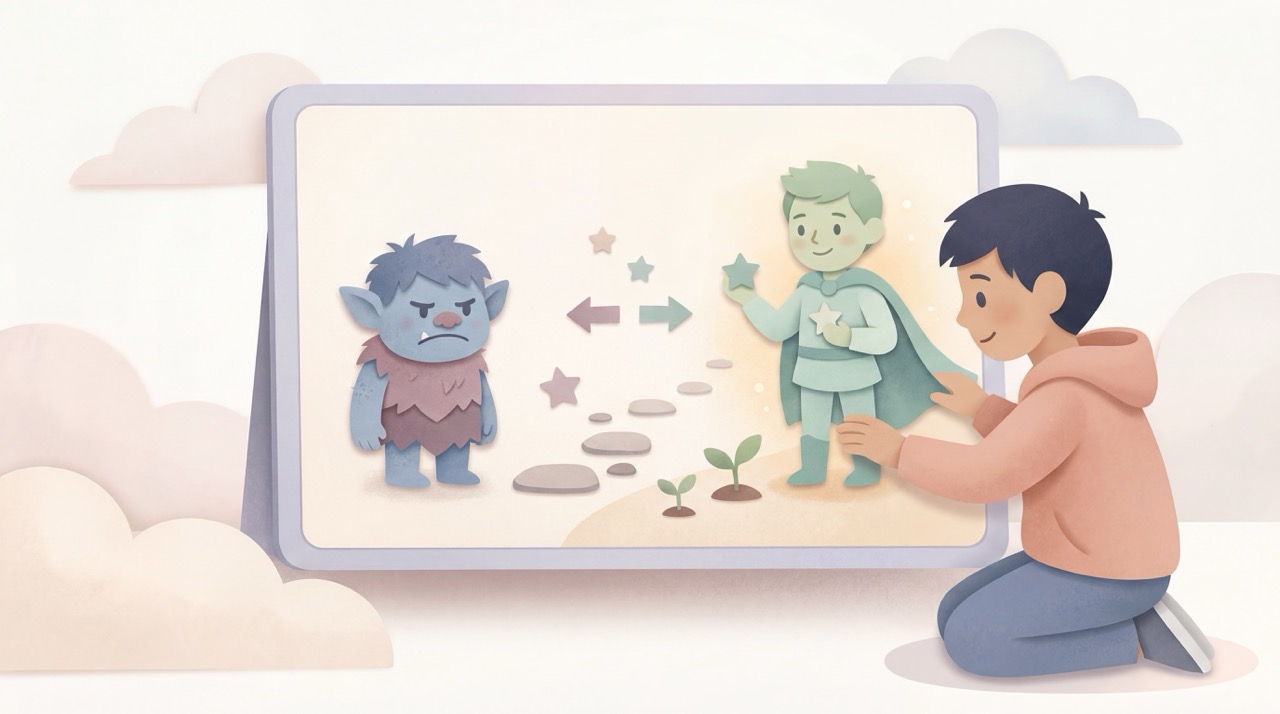
■ AI Storybook Creator: Invite teens to write or co-write a story where 2SLGBTQIA+ characters navigate the world with complexity, not just struggle, but also joy, love, and belonging.
For teens, being seen as a full person, not a "case" or a "concern" is foundational. Your consistency, curiosity, and absence of judgment matter more than any specific intervention.
.png)
You don't have to run a "pride-themed session" to integrate this meaningfully. In fact, forced thematic sessions can backfire. Instead, let Pride Month be a gentle prompt for your own clinical reflection:
Your space: Does your virtual or in-person environment include representation? Are diverse families and identities visible in your materials?
Your language: Are you using inclusive language by default, such as "partner," "they/them" when unknown, and open-ended questions about relationships?
Your reactions: When a child or teen reveals something about identity, what does your face do? Your pause before responding matters.
These aren't accusations, they're invitations. We all have blind spots. June is a good month to look.
The best thing about beginning this work in June is that June doesn't have to be where it ends.
Affirmative practice isn't a Pride Month initiative, it's a clinical standard. But if the rainbow flags prompt you to audit your tools, revisit your intake forms, or try one new intervention with a 2SLGBTQIA+ young client this month, that's already meaningful progress.
Your clients are watching. Let them see something that says: you're welcome here, exactly as you are.
Ready to bring affirmative, play-based tools into your sessions?
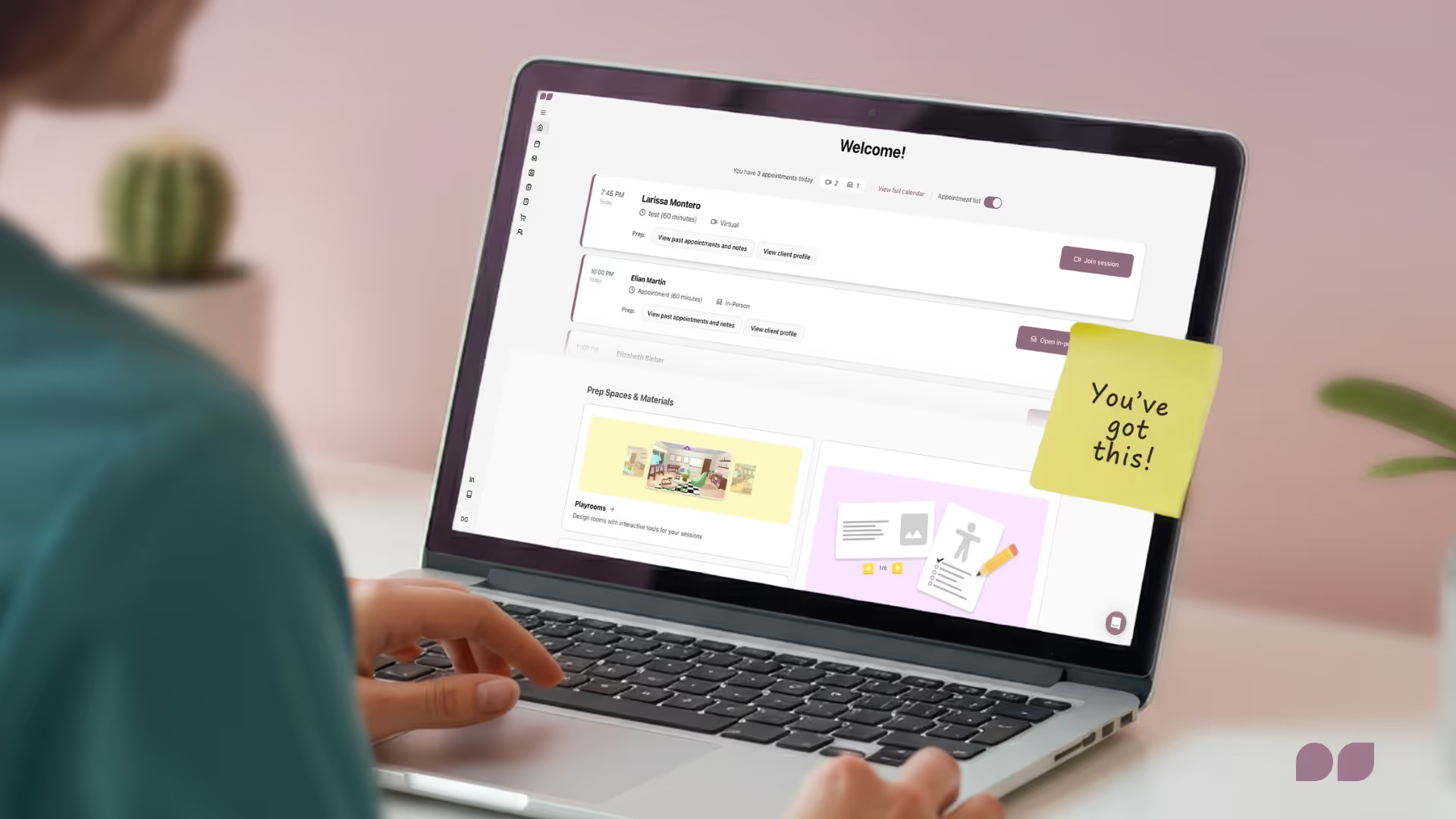
PlaySpace gives therapists a full suite of creative, evidence-informed tools, designed for real clinicians working with real kids. Explore the AI Storybook Creator, Sandtray, and more in your next session.
Lorem ipsum dolor sit amet, consectetur adipiscing elit, sed do eiusmod tempor incididunt ut labore et dolore magna aliqua. Ut enim ad minim veniam, quis nostrud exercitation ullamco laboris nisi ut aliquip ex ea commodo consequat. Duis aute irure dolor in reprehenderit in voluptate velit esse cillum dolore eu fugiat nulla pariatur.
Block quote
Ordered list
Unordered list
Bold text
Emphasis
Superscript
Subscript
.avif)
Subscribe to our weekly Newsletter
By clicking 'Submit,' you confirm that you have read and agree to the Privacy Policy, Terms of Use, and Customer Agreement.



.jpg)

.jpg)

.jpg)
.jpeg)