Three PlaySpace Tools Every Therapist Should Use for Building Resilience
By Sophia Buu
Customer Success Team
Building resilience in clients is one of the most impactful ways therapists can help them navigate life’s challenges. Resilience isn’t just a skill, it’s a lifeline. Whether you’re supporting children, teens, or neurodiverse adults, the right tools can help clients build emotional strength, adapt to life’s challenges, and develop problem-solving skills that last a lifetime. Here are three must-have PlaySpace tools to help therapists build resilience in their clients.
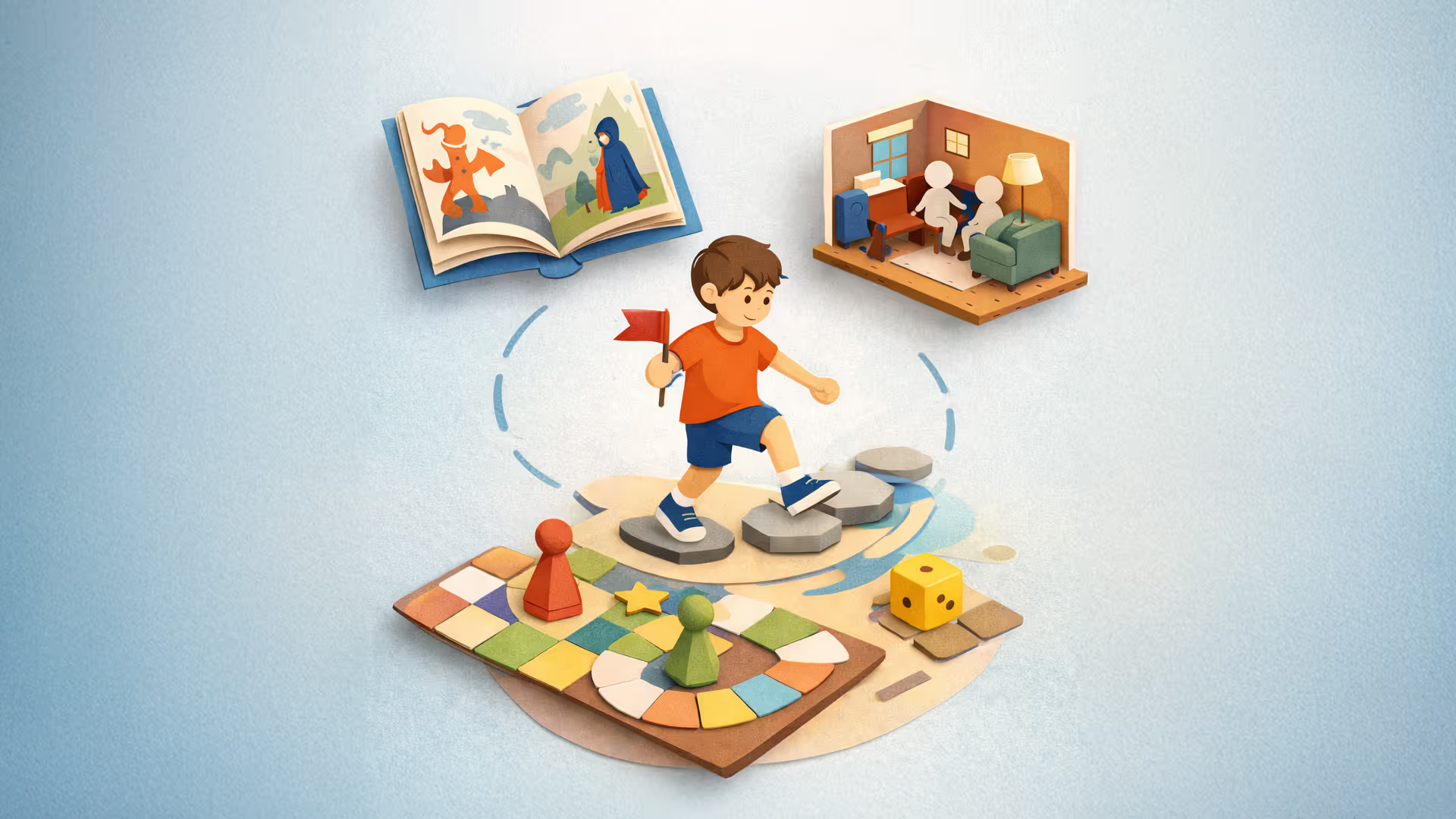
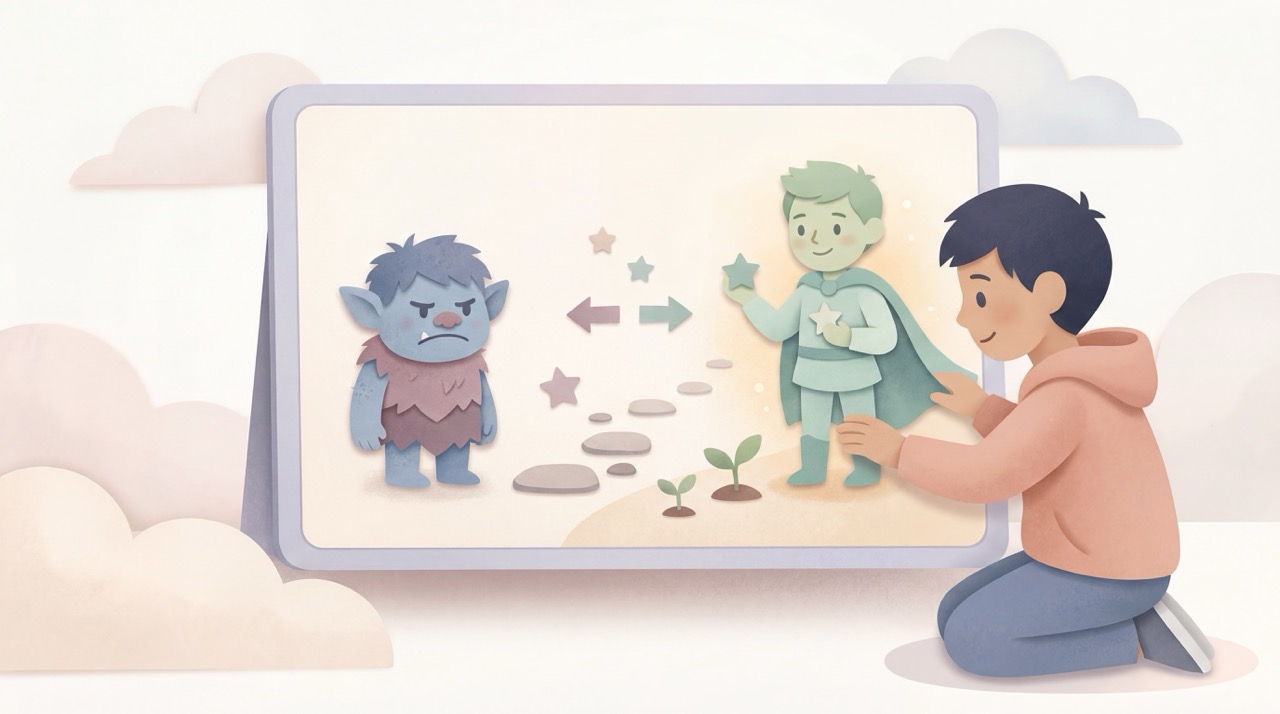
Stories give clients space to step outside of their immediate reactions and view their experiences from a safe distance. This shift in perspective can reduce emotional intensity, make complex challenges feel more manageable, and offer opportunities to see new perspectives.
How It Works
Therapists choose characters, settings, and themes that echo the client’s experiences and allow for creative interpretation.
The AI storybook builder generates a story that reflects the client’s struggles and highlights resilience, problem-solving, and growth.
In session, you and your clients explore the story together, draw connections to real-life situations, and explore alternative ways of responding. Clients can also edit and write directly on the stories using built-in emojis, text boxes, and markers.
Practical Application
For a child with anxiety, therapists might create a story where a character faces fears with the support of friends or allies, showing resilience through metaphor rather than direct exposure.
For teens navigating identity or social pressures, stories can offer a mirror to their emotions while opening safe space to reframe them. Getting to see different narratives play out offers clients a moment to regulate and reframe their reactions to social situations they may encounter in their daily life.
For neurodiverse clients, stories can affirm unique strengths, model adaptive problem-solving, and offer new angles for self-reflection.
2. 3D Dollhouse: Rewriting Interpersonal Interactions
Play as Exploration
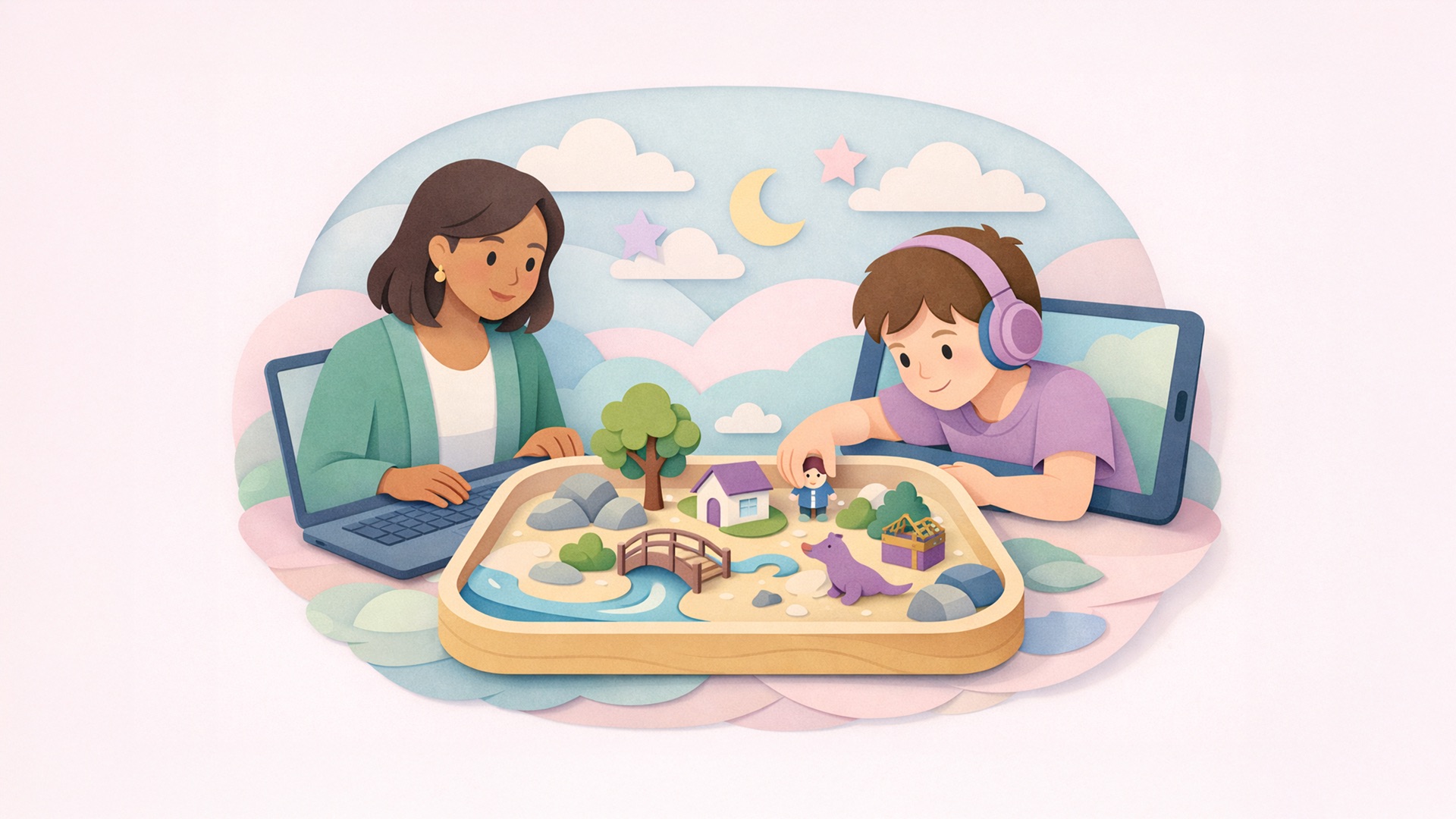
Our 3D Dollhouse lets clients step into a hands-on, creative space where they actively shape and re-shape their experiences. Unlike guided narratives, this tool encourages experimentation, exploration, and role-play - helping clients not only deepen engagement and emotional expression, but also strengthen adaptability. Play becomes a vehicle for insight, where clients can safely practice flexibility, emotional expression, and problem-solving - the very foundations of resilience.
How It Works
Therapists guide clients as they step into different roles, act out interactions, and explore possible outcomes. This process helps identify recurring emotions, behavior patterns, and relational dynamics that may not emerge through conversation alone.
By practicing shifts in perspective and response, clients rehearse the adaptive skills that build resilience in a low-pressure environment.
Practical Application
Clients can replay real-life social situations, conflicts, or transitions to try alternative ways of responding.
This creates a safe rehearsal space where they can practice coping strategies, recover from challenges, and learn that setbacks are opportunities for growth.
By actively building and adjusting their environment, clients strengthen emotional regulation, expand their repertoire of coping strategies, and cultivate the flexibility needed to bounce back from adversity.
Resilience often grows in connection with others. PlaySpace’s interactive games, both single and multiplayer, transform therapeutic exercises into engaging, hands-on experiences, where clients practice coping skills, collaboration and adaptability. Each session becomes an opportunity not only to strengthen social skills but also to rehearse the persistence and flexibility that resilience requires in a fun and engaging way, through games.
How It Works:
Clients and therapists engage in games designed to foster teamwork, strategy, and communication.
The games are adaptable to various therapeutic goals, such as managing frustration, improving focus, or enhancing social interactions.
Because gameplay naturally includes both successes and setbacks, therapists can pause gameplay to highlight coping strategies, adaptive choices, and emotional responses - turning each challenge into a resilience-building moment.
Practical Application:
For neurodivergent clients, these games provide a low-pressure environment to practice impulse control, recover from mistakes, and sustain attention - skills that translate directly into resilience in daily life.
Interactive games provide a structured, playful setting where children can practice resolving disagreements, taking turns, and negotiating rules. By navigating these small challenges in a supportive environment, kids develop resilience skills they can carry into classrooms, friendships, and family interactions.
Many teens face academic and social pressures that can feel overwhelming. Multiplayer games offer opportunities to practice staying calm under pressure, regrouping after setbacks, and persisting toward shared goals. This builds resilience by showing teens they can recover from frustration, adapt strategies, and keep moving forward when things don’t go as planned.
Why PlaySpace Tools Build Lasting Resilience
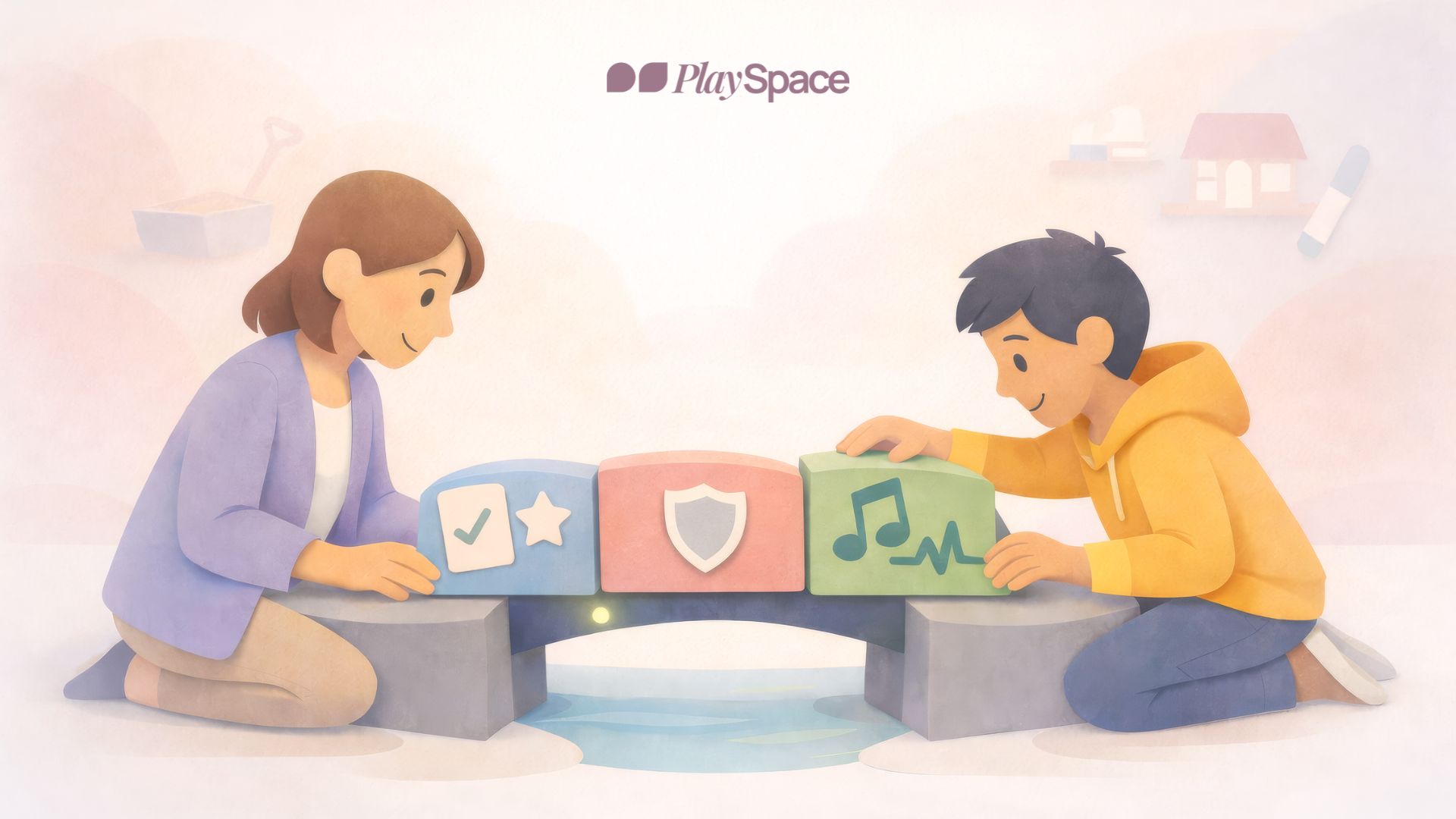
PlaySpace provides a wide library of games and tools that therapists can choose from to support resilience building. What makes these tools powerful for resilience-building is the way they transform challenges into opportunities for growth. Just like in a game, clients learn that setbacks are not failures but chances to try again with new strategies. The playful, immersive format lowers defenses, making it easier to face difficult emotions and practice adaptive coping.
By integrating these tools into your sessions, you empower clients to:
Adapt and problem-solve when faced with obstacles.
Regulate emotions under pressure and recover quickly after setbacks.
Strengthen relationships through teamwork, communication, and trust.
Build confidence and self-efficacy by experiencing success after persistence.
With every role-play, replay, and game round, clients practice the very skills that allow them to bounce back from adversity - not just in the therapy room, but in everyday life.
Lorem ipsum dolor sit amet, consectetur adipiscing elit, sed do eiusmod tempor incididunt ut labore et dolore magna aliqua. Ut enim ad minim veniam, quis nostrud exercitation ullamco laboris nisi ut aliquip ex ea commodo consequat. Duis aute irure dolor in reprehenderit in voluptate velit esse cillum dolore eu fugiat nulla pariatur.


.avif)
.avif)
.avif)
.avif)



.jpg)


.jpg)

.jpg)
.jpeg)