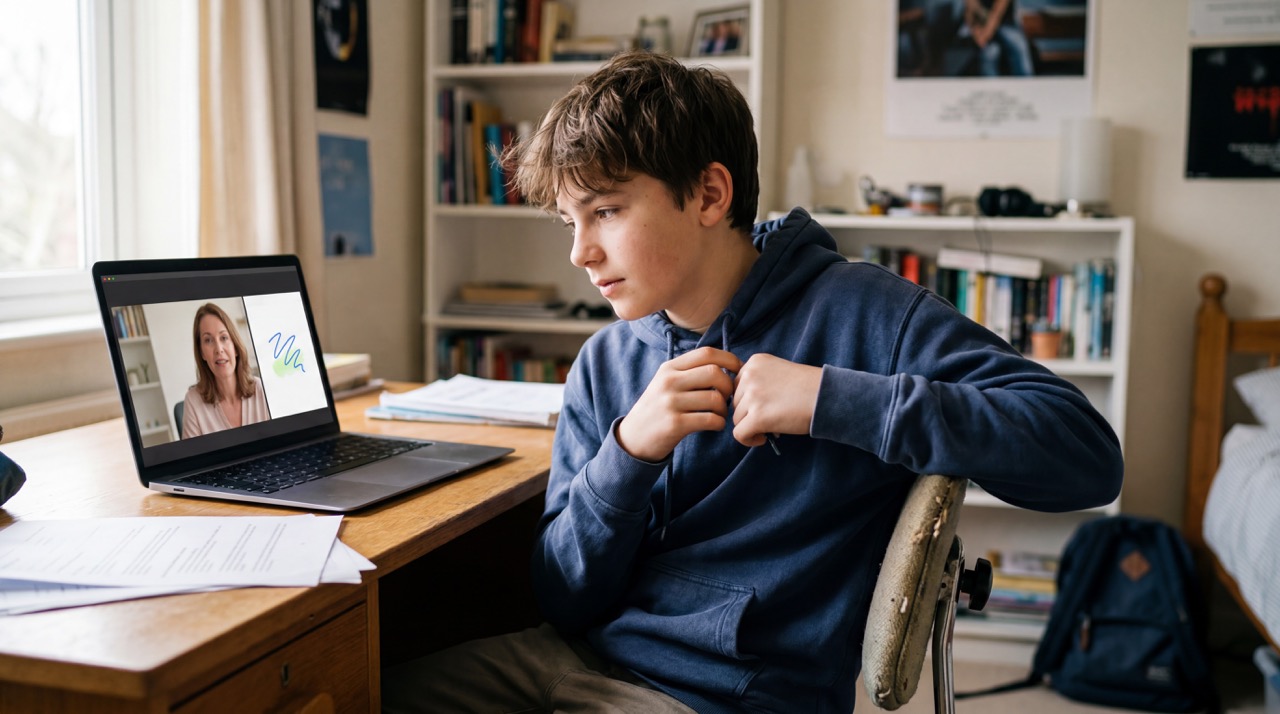
Suicidal thoughts in youth are rising, and clinicians face the challenge of not only assessing risk but also building resilience and safety - all within virtual or hybrid care environments. The question becomes: How can therapists meet this need in ways that are engaging, developmentally appropriate, and clinically sound?
PlaySpace offers an answer. By weaving evidence-based therapy into digital tools, therapists can support suicide prevention in a way that is safe, creative, and deeply meaningful for young clients both in person and virtually.
Understanding Suicide Prevention in Youth Therapy
Suicide prevention with children and teens requires both clinical precision and developmentally sensitive approaches. Therapists must balance direct safety interventions with space for expression, exploration, and resilience-building.
Key considerations:
- Early identification: Listening for warning signs (withdrawal, hopelessness, risky behavior).
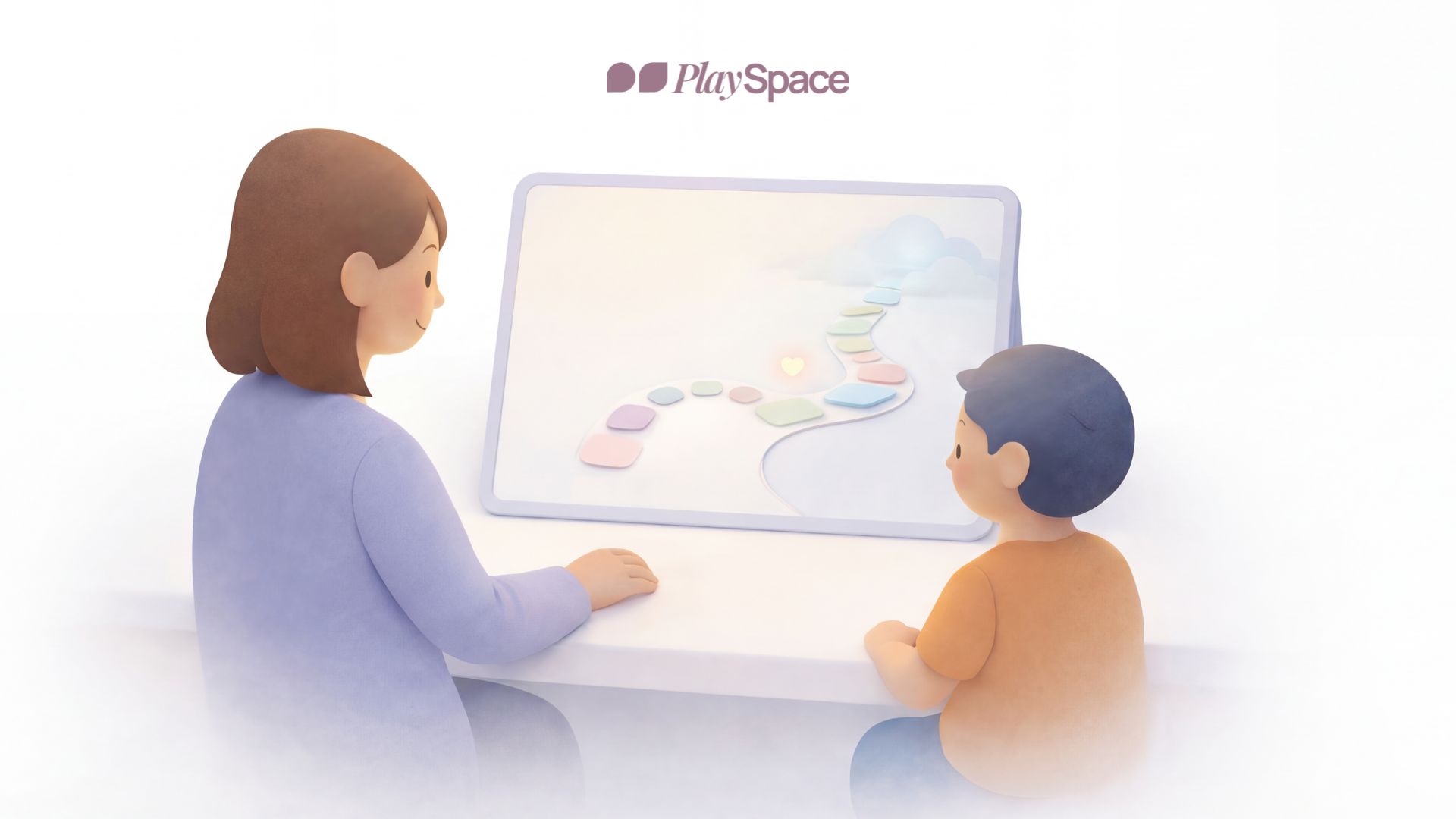
- Safety planning: Collaboratively creating clear, actionable steps.
- Protective factors: Strengthening connections, coping strategies, and future orientation.
In virtual therapy, these goals can feel daunting, but with the right tools, clinicians can bring assessment and safety together seamlessly.
Using PlaySpace Tools for Suicide Prevention
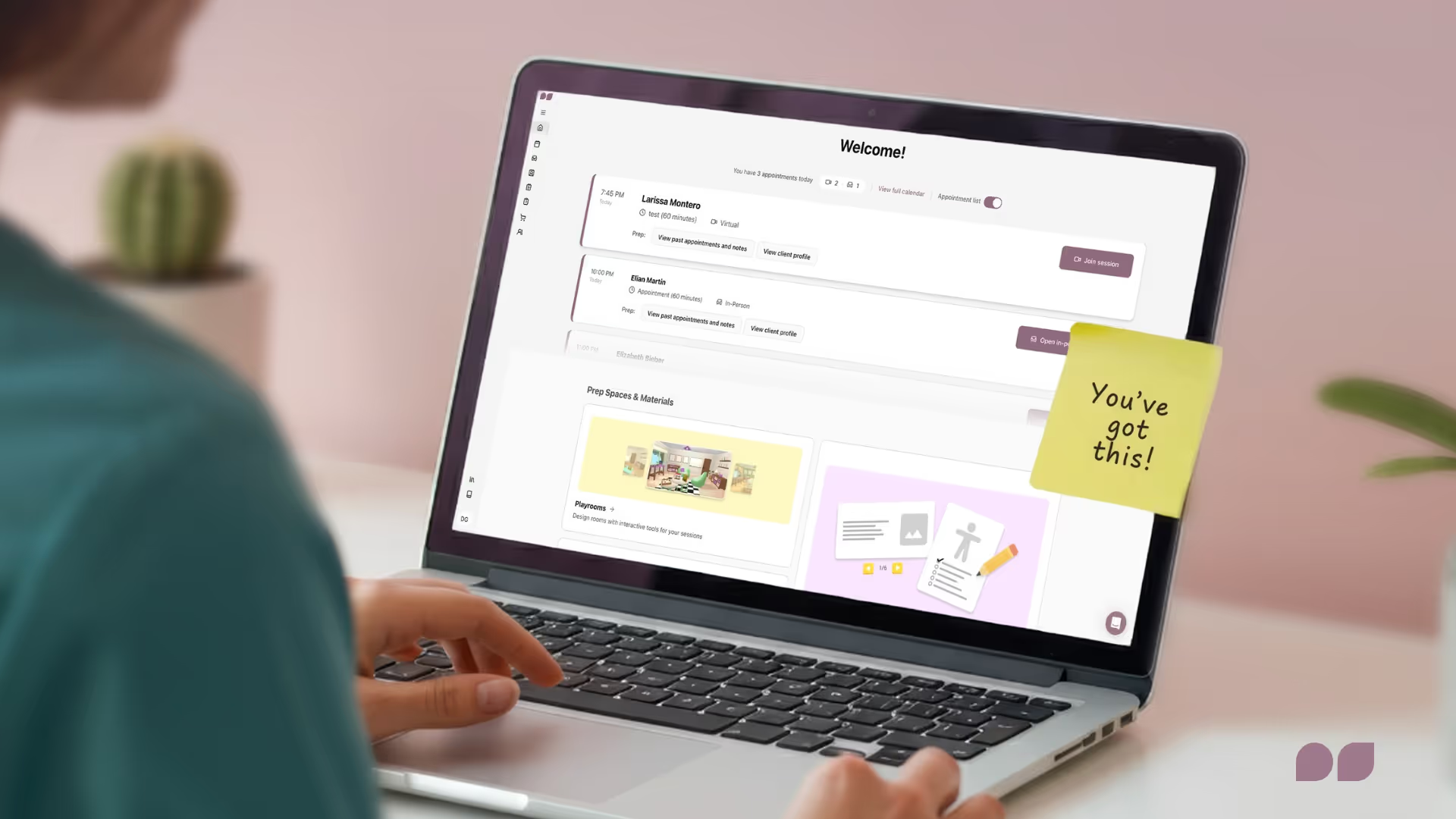
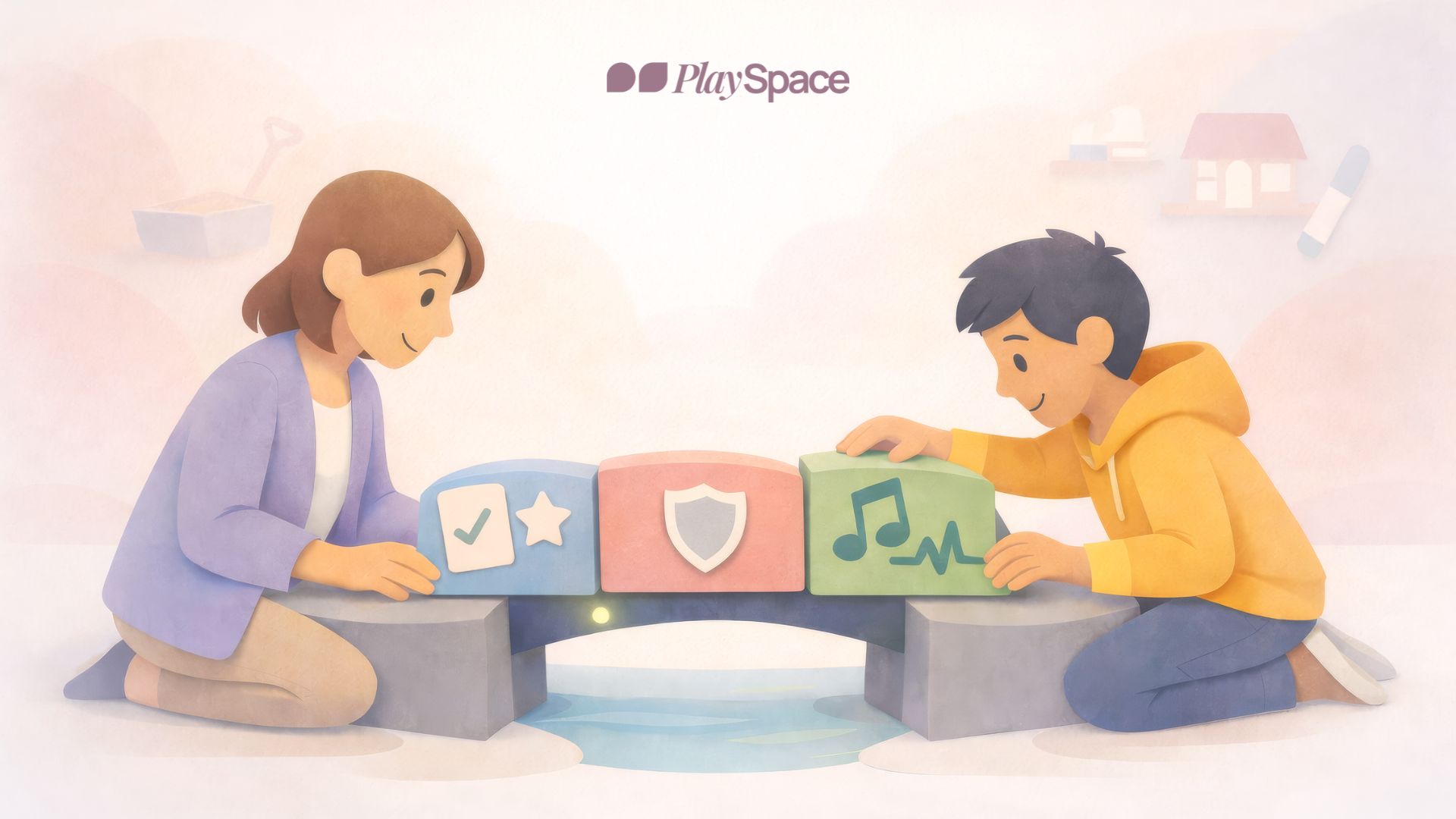
PlaySpace was designed to meet these very challenges. By integrating playful yet therapeutic features into virtual sessions, clinicians can transform heavy conversations into engaging, effective work.
Here are some ways to use PlaySpace for suicide prevention:
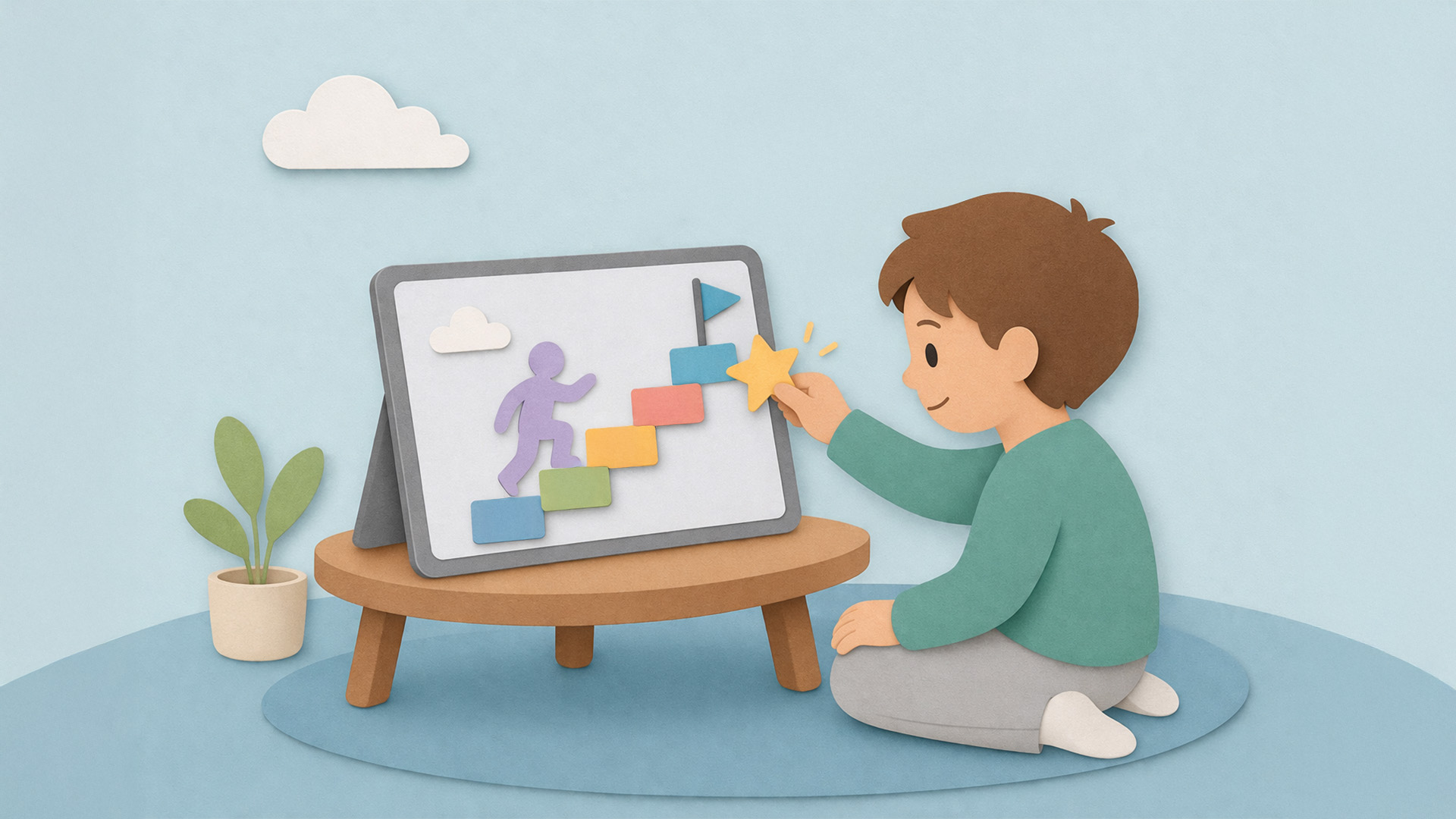
- Whiteboard & Slides for Safety Planning
- Collaboratively build safety plans visually.
- Draw lifelines, identify warning signs, and write out coping strategies together.
- Make the plan accessible and easy to edit, so clients can “see” their steps clearly and make changes as needed along the way.
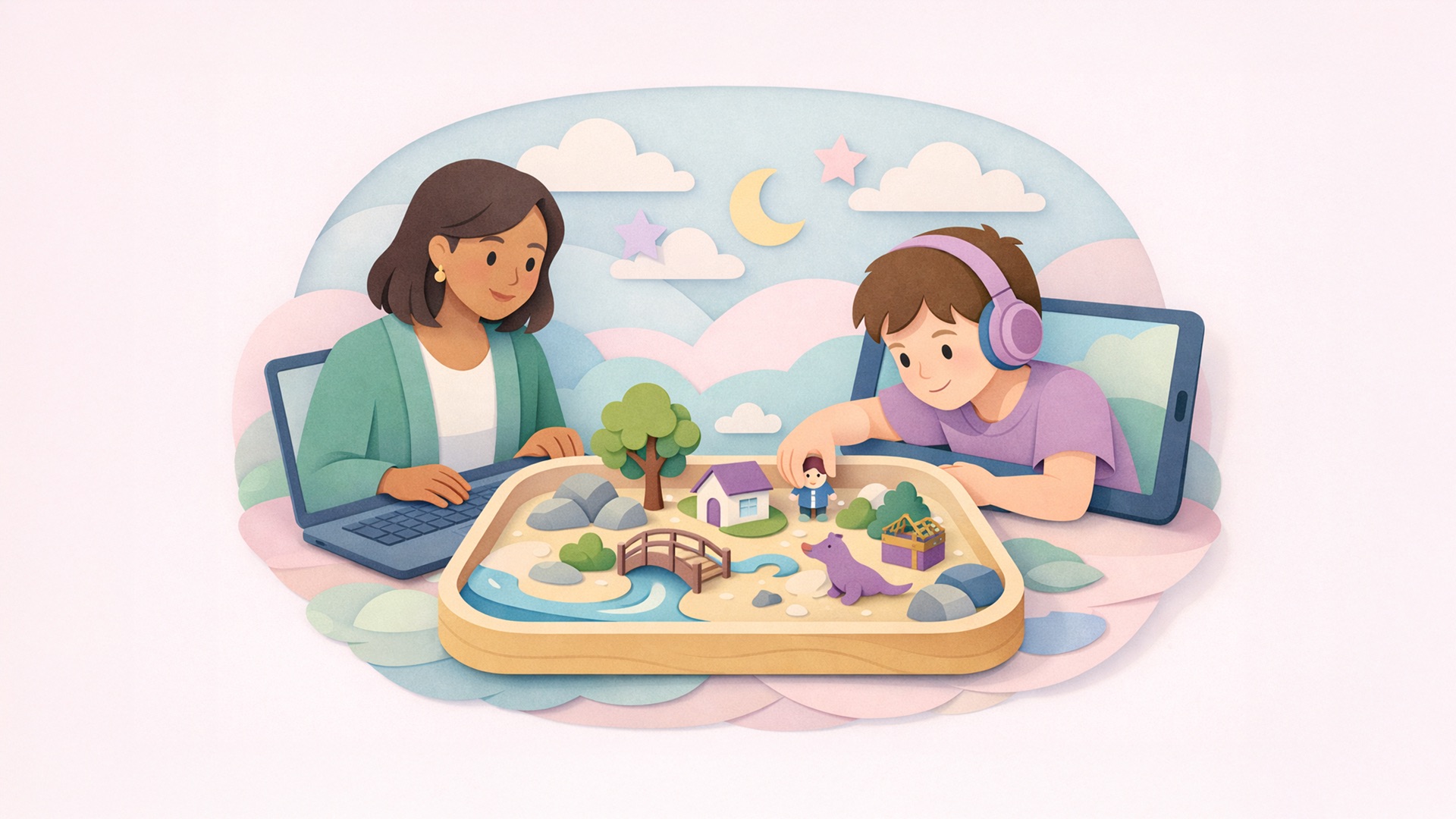
- Sand Tray for Coping Skills
- Use digital sand tray play to externalize big feelings.
- Build “safe zones” or coping symbol worlds, helping clients imagine resilience as something concrete.
- Encourage storytelling about each object placed - this often surfaces strengths and hidden supports.
- AI Storybook Creator
- Co-create stories where the main character faces and overcomes struggles.
- Use narrative as a safe distance for discussing heavy themes.
- Therapeutic Worksheets
- Easily upload structured worksheets on emotion regulation and crisis planning directly into the session.
- Edit worksheets directly in session with your client to make them applicable to their daily life.
Externalizing Thoughts: A Core Strategy
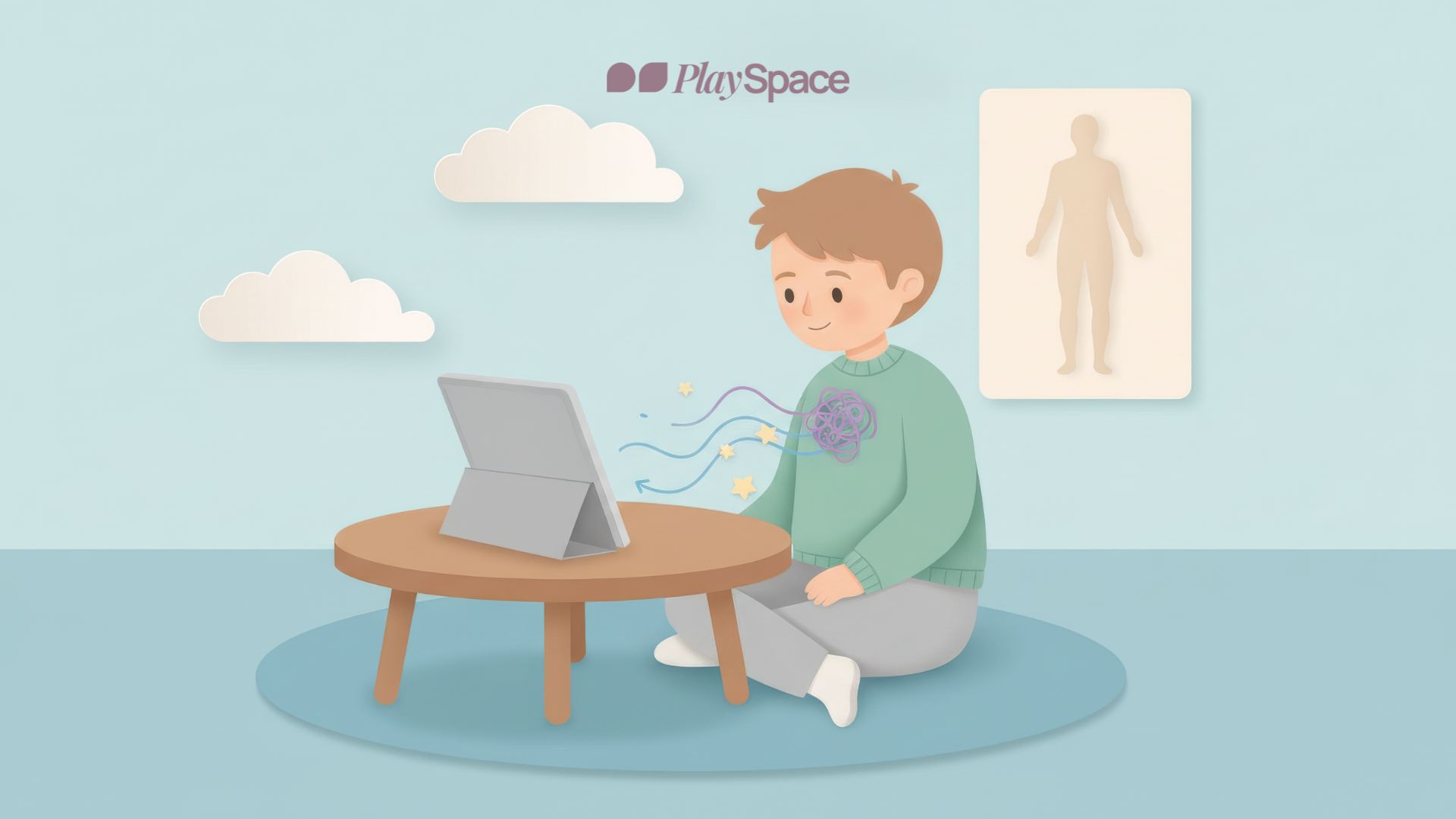
For many children and teens, suicide-related thoughts feel overwhelming, scary, and unspeakable. Externalizing these thoughts, literally pulling them out of the mind and onto the screen, creates relief and perspective.
Practical applications:
- Use the whiteboard for “thought dumping”, clients jot down every negative thought, then work to reframe them together.
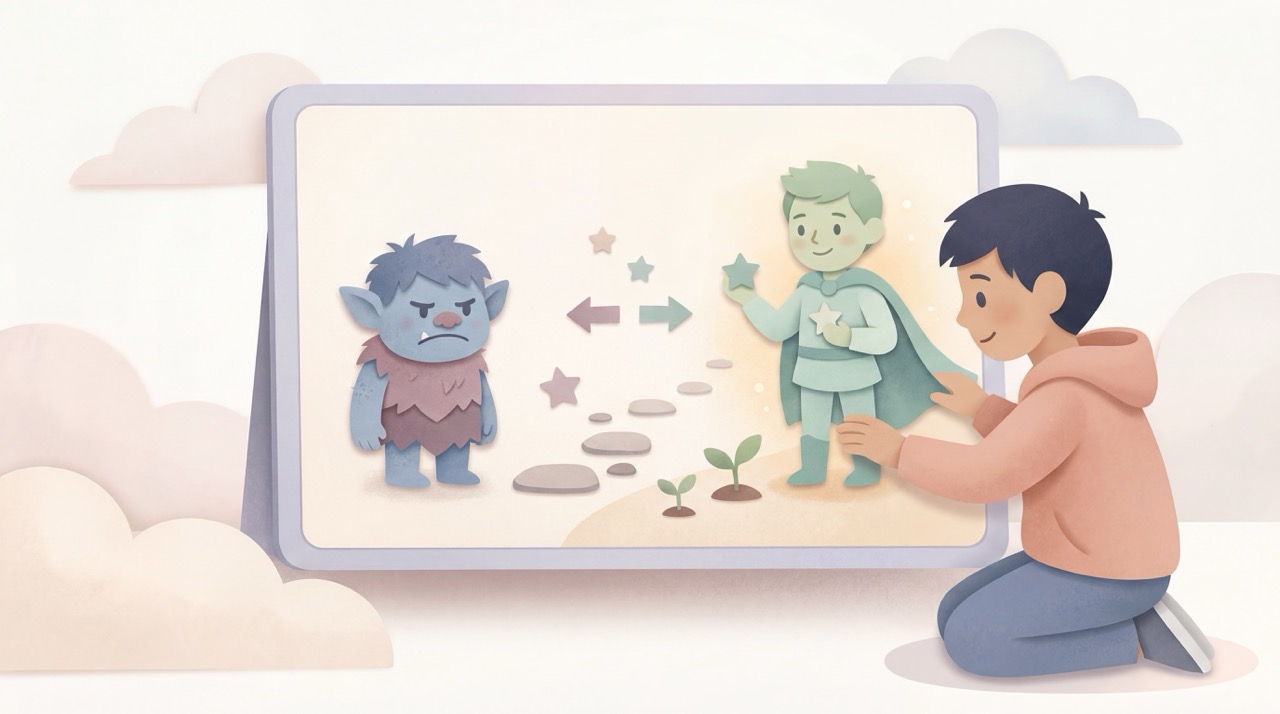
- Place these thoughts as characters in the dollhouse or sand tray, showing how they interact with positive forces (ex. family, friends, skills).
- Help clients visualize that thoughts are not facts, but things that can be moved, reshaped, or challenged.
Building Resilience Through Play
Suicide prevention is not only about reducing risk, it’s about increasing protective factors. Play-based interventions are uniquely powerful for this.
With PlaySpace, clinicians can:
- Use multi-player games to strengthen therapeutic alliance and social connection.
- Guide teens in single-player games that foster frustration tolerance and persistence.
- Explore the community library to find new grounding exercises or calming practices.
- Encourage clients to design their own coping toolbox using PlaySpace features, giving them agency and ownership.
Practical Tips for Clinicians
To make suicide prevention with PlaySpace effective and engaging, try these tips:
- Start with rapport-building games before diving into risk assessment.
- Alternate between structured worksheets and play-based tools to maintain engagement.
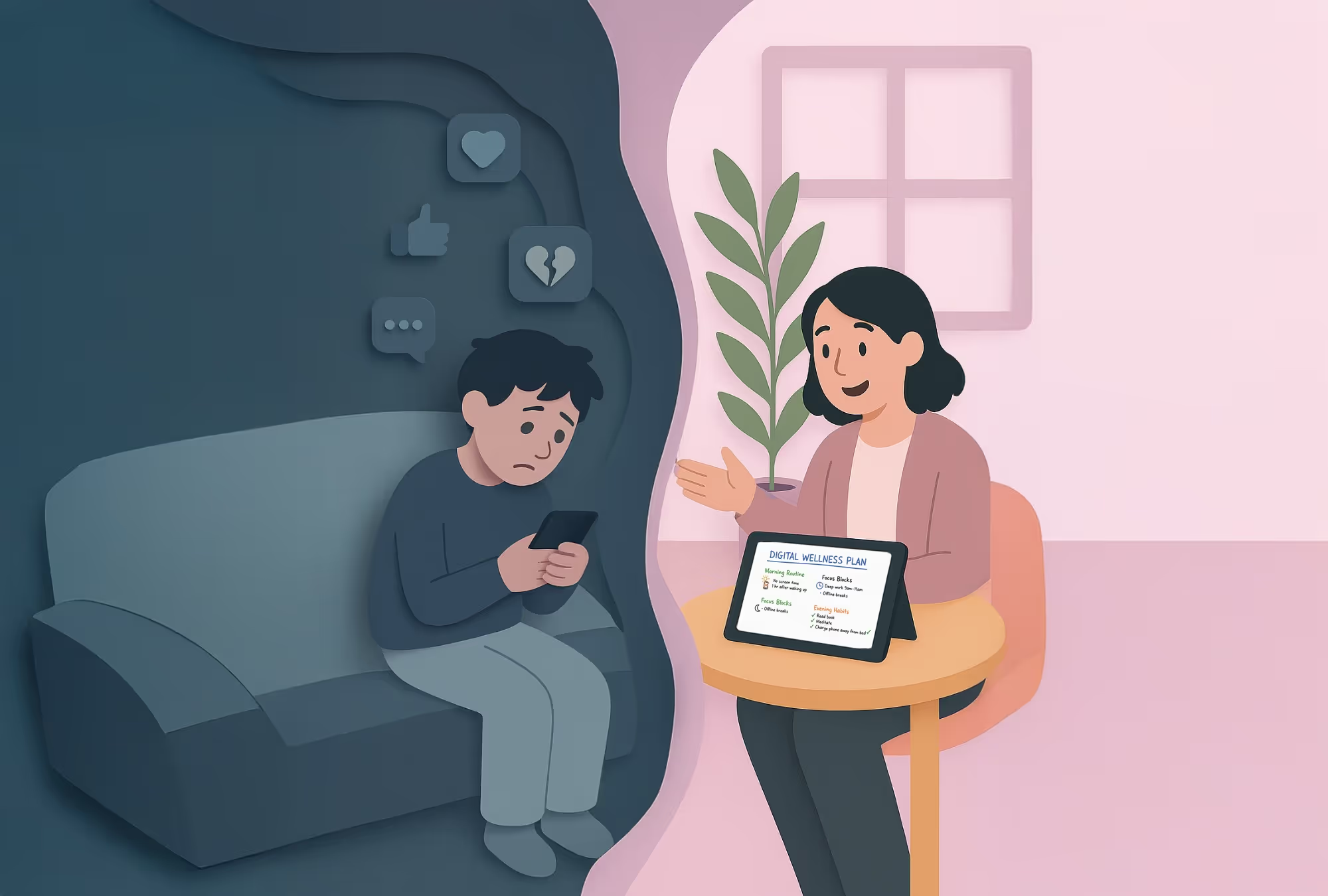
- When creating a safety plan, use slides or whiteboard to co-create together.
- Encourage clients to “save” or “return to” their coping sand tray worlds as ongoing resilience anchors.
- In hybrid settings, blend digital and in-person: for example, sketching a safety plan together on a tablet, then printing it for the client to post on their wall at home.
Why PlaySpace Makes the Difference
Traditional suicide prevention strategies can feel heavy or abstract for children and teens. PlaySpace changes that by making therapy:
- Accessible – available anywhere, virtually or in-clinic.
- Engaging – turning safety planning into interactive, creative exploration.
- Evidence-based – grounded in play therapy principles proven to improve outcomes.
With PlaySpace, clinicians don’t have to choose between clinical safety and therapeutic creativity, they get both.
Therapists, you don’t have to navigate suicide prevention alone. With PlaySpace, you can bring evidence-based strategies to life in a way that resonates with children and teens.
👉 Try PlaySpace today and see how our tools can support you in building safety and resilience with every client.



.avif)



.jpg)


.jpg)


.jpg)
.jpeg)