
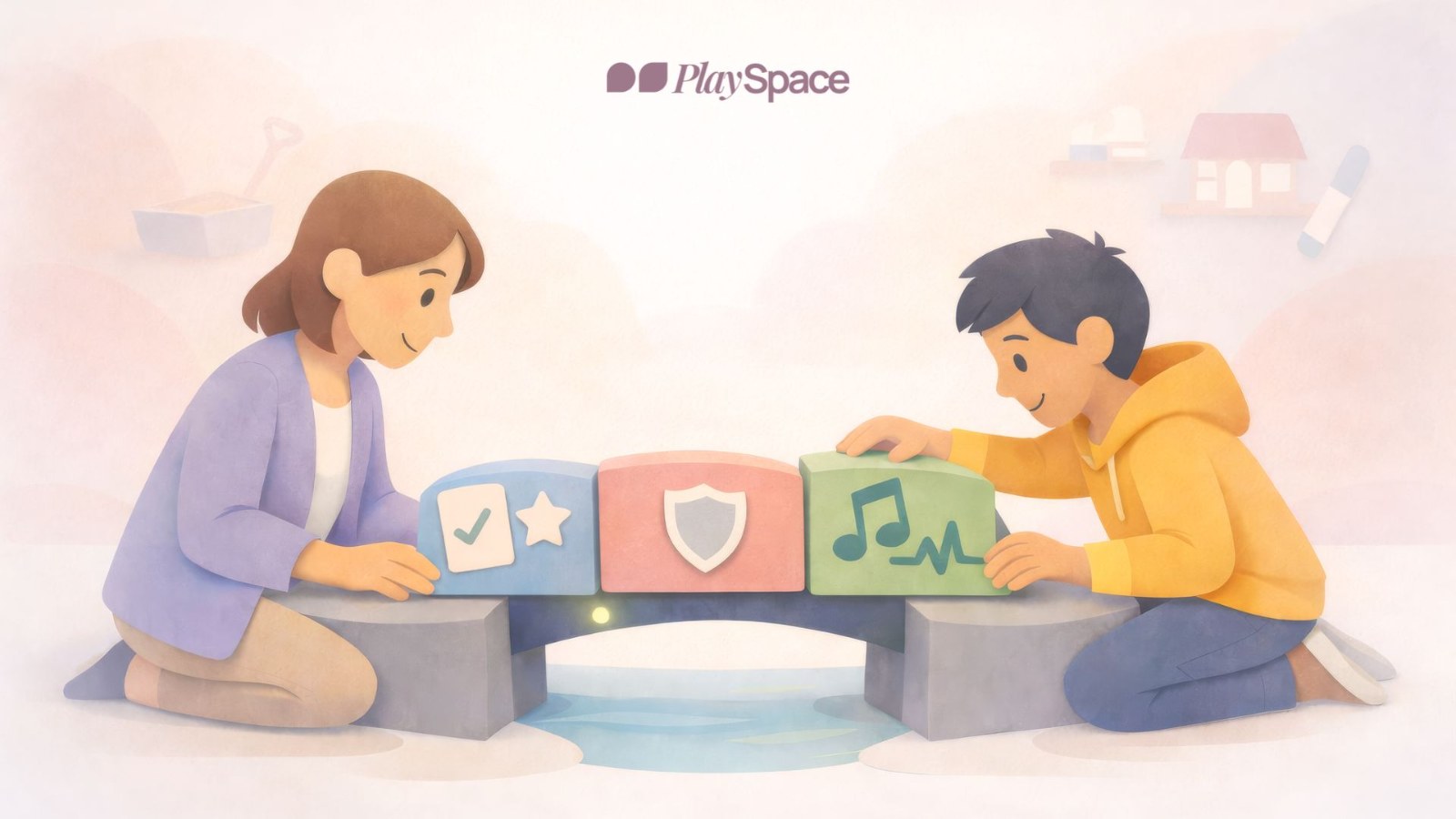
Because the first five minutes of session matter more than we think.
Starting a therapy session isn’t just about “warming up.”
It’s about safety.
Connection.
Momentum.
For children, teens, and neurodiverse clients especially, the way a session begins can determine whether they lean in or shut down.
Icebreakers done well don’t feel forced or fluffy. They create emotional access. They lower defenses. And they help you gather meaningful clinical information without an intake-style interrogation.
Below are five play-based icebreakers you can use this week, virtually or in person, using PlaySpace tools that support engagement, creativity, and therapeutic intent.
1. Two Truths and a Wish
Insight without pressure.
This gentle twist on a classic game replaces deception with hope, making it especially effective for anxious, guarded, or perfectionistic clients.
How to use it
Ask the client to share:
- Two true facts about themselves
- One wish they have (big or small)
Using PlaySpace, clients can:
- Illustrate their wish in the Sandtray
- Build it visually in the Dollhouse
- Write or sketch it on the Whiteboard
Clinical prompts
- “What makes that wish important right now?”
- “Is this a wish for today, this year, or the future?”
- “What might help this wish feel a little more possible?”
Why it works
- Builds rapport quickly without emotional overexposure
- Offers insight into values, motivation, and unmet needs
- Works across ages (6–18+) and neurodivergent profiles
This is an ideal first-session icebreaker or re-entry activity after a break.
2. Emotion Superheroes
When feelings need a costume.
Naming emotions can feel abstract or unsafe, especially for kids who’ve been corrected, misunderstood, or overwhelmed by feelings before.
Enter: superheroes.
How to use it
Invite clients to build a “team” of superheroes that represent how they feel today using the PlaySpace Sandtray or Dollhouse.
Encourage them to assign:
- Powers
- Strengths
- Weaknesses
- Team roles
Clinical prompts
- “Which hero feels strongest today?”
- “Is there one that feels tired or overwhelmed?”
- “Which hero helps the others cope?”
Why it works
- Externalizes emotions (reducing shame and defensiveness)
- Supports emotional literacy without forcing labels
- Excellent for anxiety, ADHD, trauma, and younger clients
This activity translates beautifully to in-clinic tablet use or virtually in PlaySpace.
3. Soundtrack of the Day
Emotional attunement without words.
Music bypasses cognitive defenses. It tells you how a client feels before they can.
How to use it
Ask the client to share:
- A song that reflects how they feel today or
- A song that matches how they wish they felt
In PlaySpace, you can:
- Screen-share and explore lyrics together
- Pair music with drawing on the Whiteboard
- Invite clients to visually represent the song in the Sandtray
Clinical prompts
- “Which part of the song feels most like you?”
- “What would this song sound like if things felt better?”
- “Is this a song you play when you need support or escape?”
Why it works
- Deepens emotional attunement quickly
- Strengthens alliance with teens and adolescents
- Bridges verbal and non-verbal processing
This is a powerful mid-treatment check-in or grounding activity after a hard week.
Why Icebreakers Matter (Especially Online)
Engagement isn’t a bonus, it’s foundational.
When clients feel safe, seen, and curious:
- Rapport strengthens
- Dropout rates decrease
- Therapeutic outcomes improve
PlaySpace was built to support this exact moment, the start of session, whether you’re:
- Sitting side-by-side with a tablet
- In the virtual Playrooms on a virtual session
- Working fully virtual or hybrid
Try PlaySpace in Your Next Session
If you’re looking for ways to make sessions feel lighter, deeper, and more connected, PlaySpace gives you:
- Digital Sandtray & Dollhouse
- Whiteboard & Slides
- AI Storybook Creator
- Multiplayer and solo therapeutic games
- Worksheets, activity shelf, and community library
All in one secure, therapist-built platform.
👉 Try PlaySpace today and bring play back to the first five minutes of therapy.