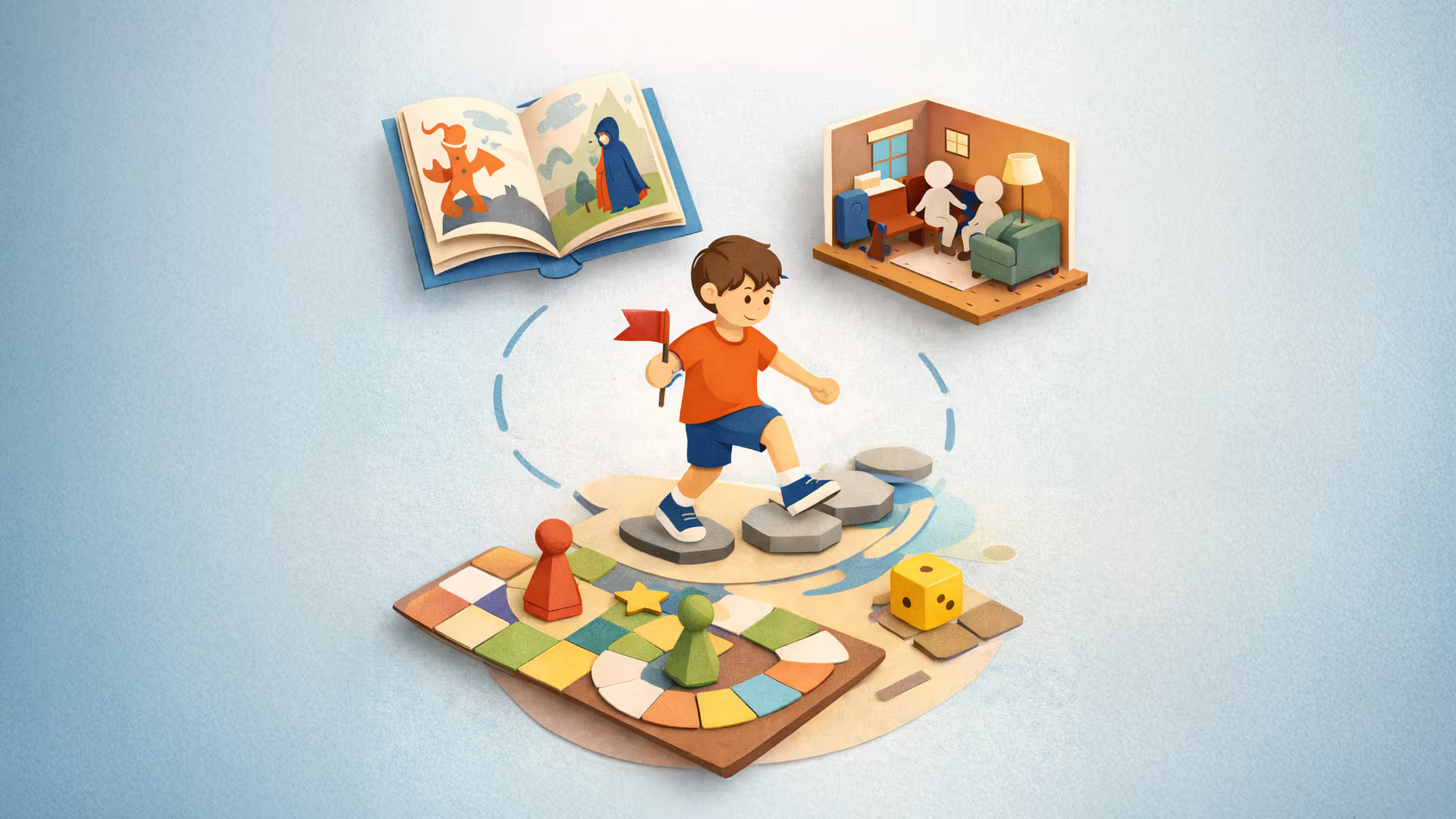

Anxiety doesn’t grow in a vacuum - it grows in the spaces we avoid. The more a child sidesteps the things that feel scary or uncomfortable, the more their world quietly shrinks. That’s the heart of why exposure therapy works: by gently approaching what feels hard, we give the brain a chance to relearn what’s actually safe.
But here’s the truth many parents, clinicians, and even kids feel deep down: the word “exposure” can sound clinical, cold, and a bit frightening. What if we approached it not as a checklist of fears to conquer, but as a story of brave moments unfolding? What if exposure could feel more like play and less like pressure?
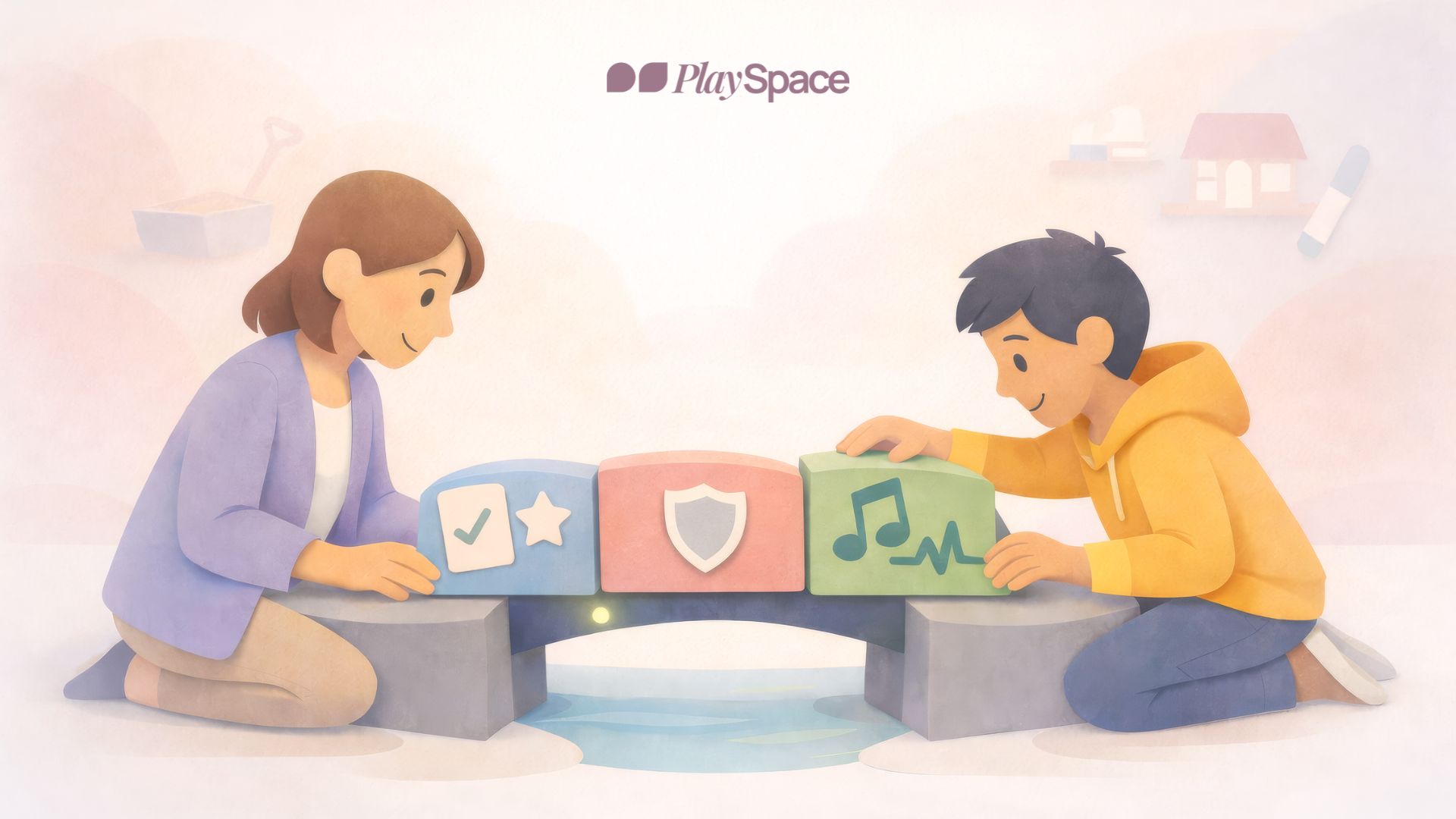
At PlaySpace, we believe when exposure is playful, collaborative, and framed around growth instead of fear, something special happens: children begin to choose bravery instead of being pushed into it.
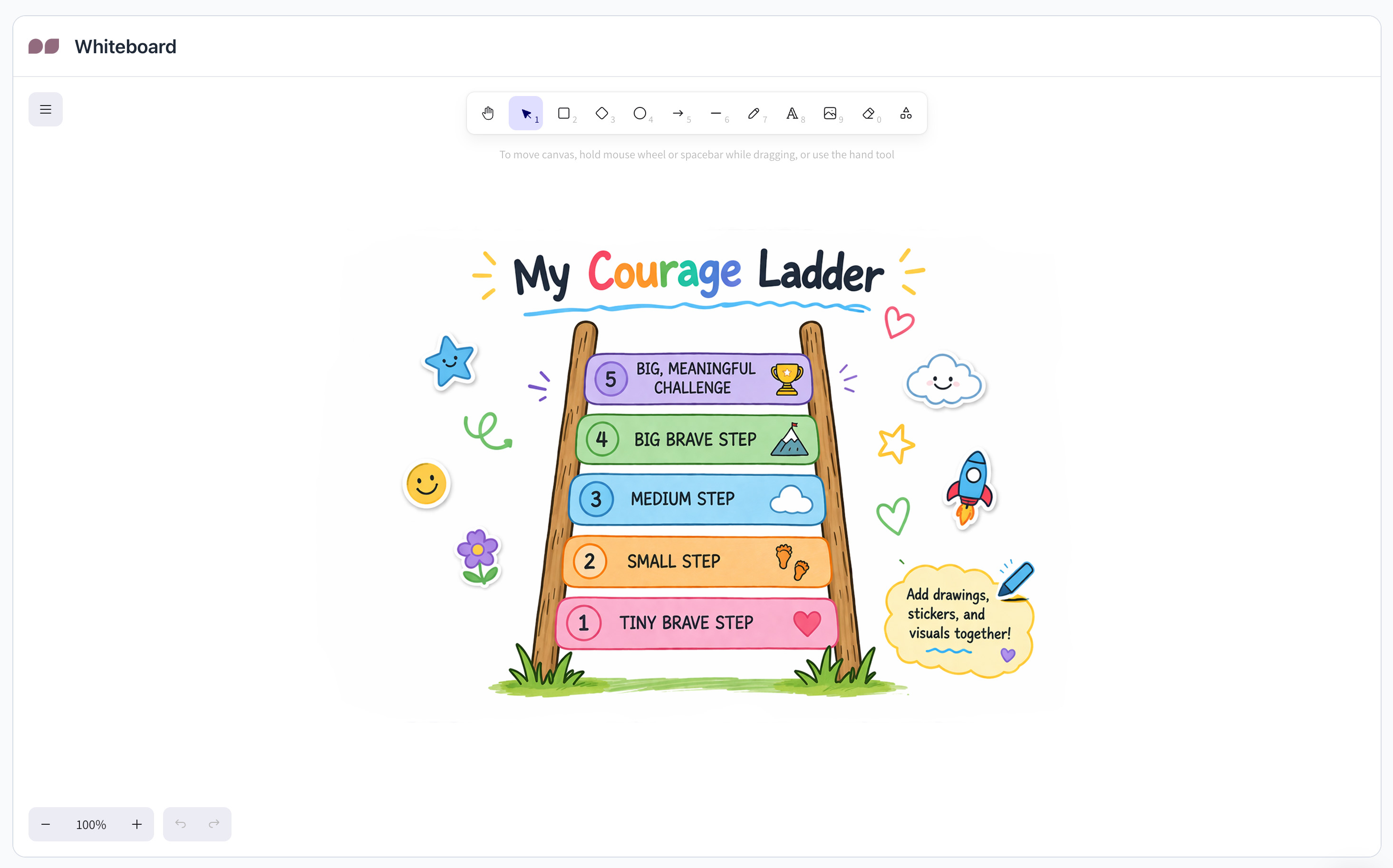
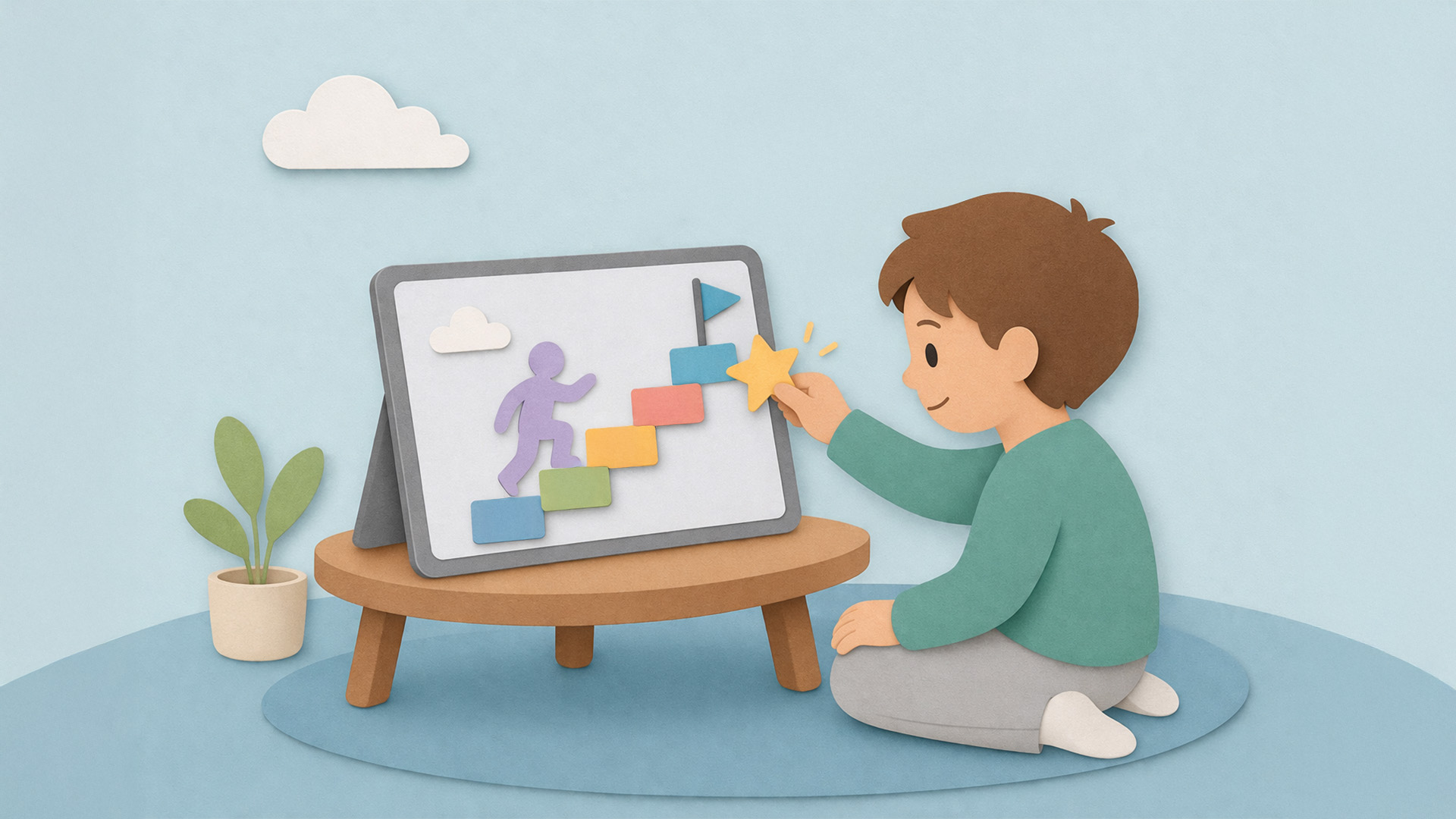
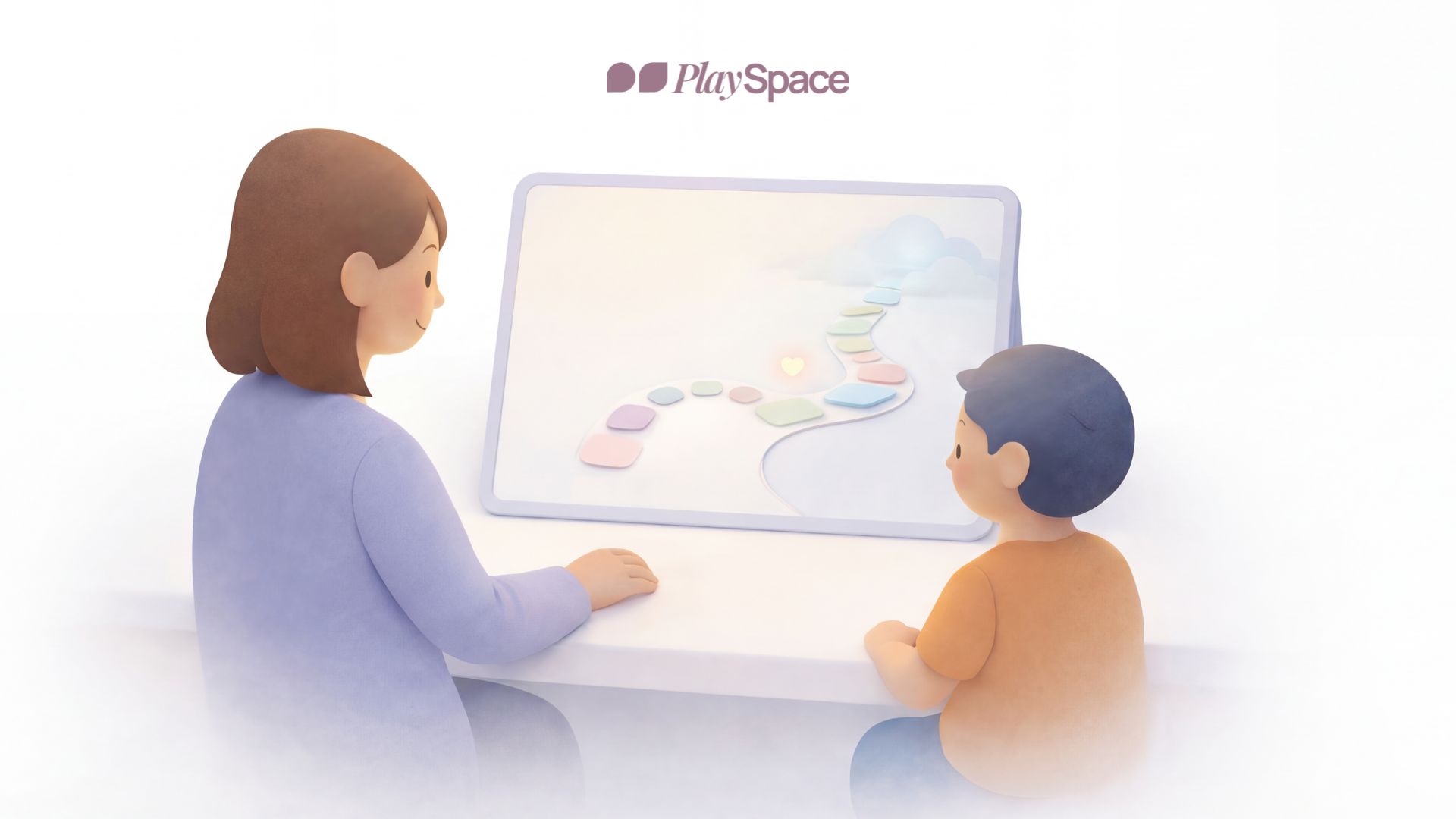
When you first introduce exposure work, the idea of a “fear hierarchy” can make kids tense up - what if we call it a Courage Ladder instead?
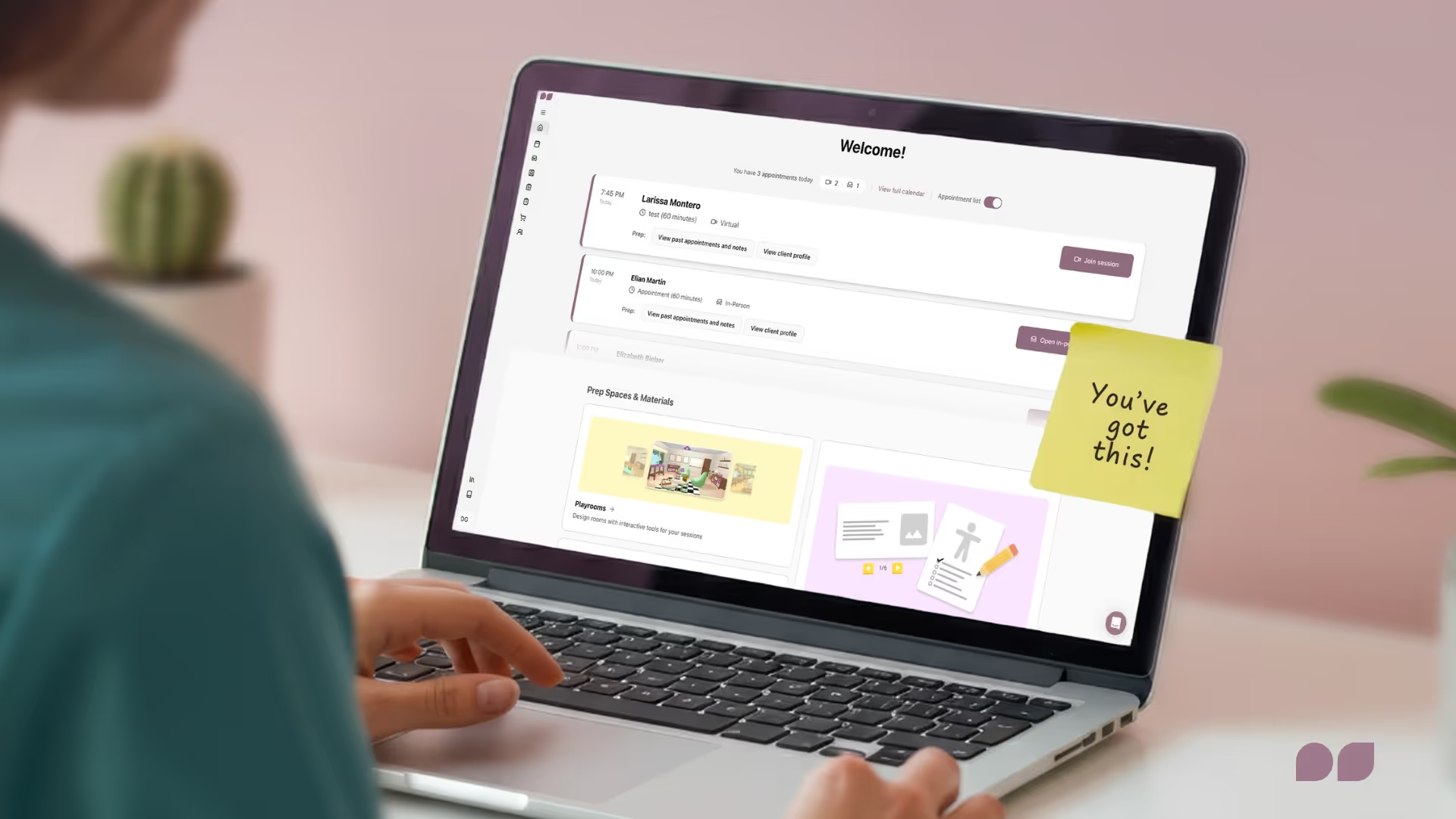
Instead of a numbered spreadsheet, imagine using PlaySpace Slides or Whiteboard tools and have the child help design:
Kids can name levels, decorate them, and choose rewards - maybe “Brave Tokens” they exchange for a preferred activity or game time. This gamified approach isn’t just fun, it boosts buy-in and helps children feel invested in their own growth. The ladder becomes a shared map toward something exciting, not something daunting.
After completing a brave step:
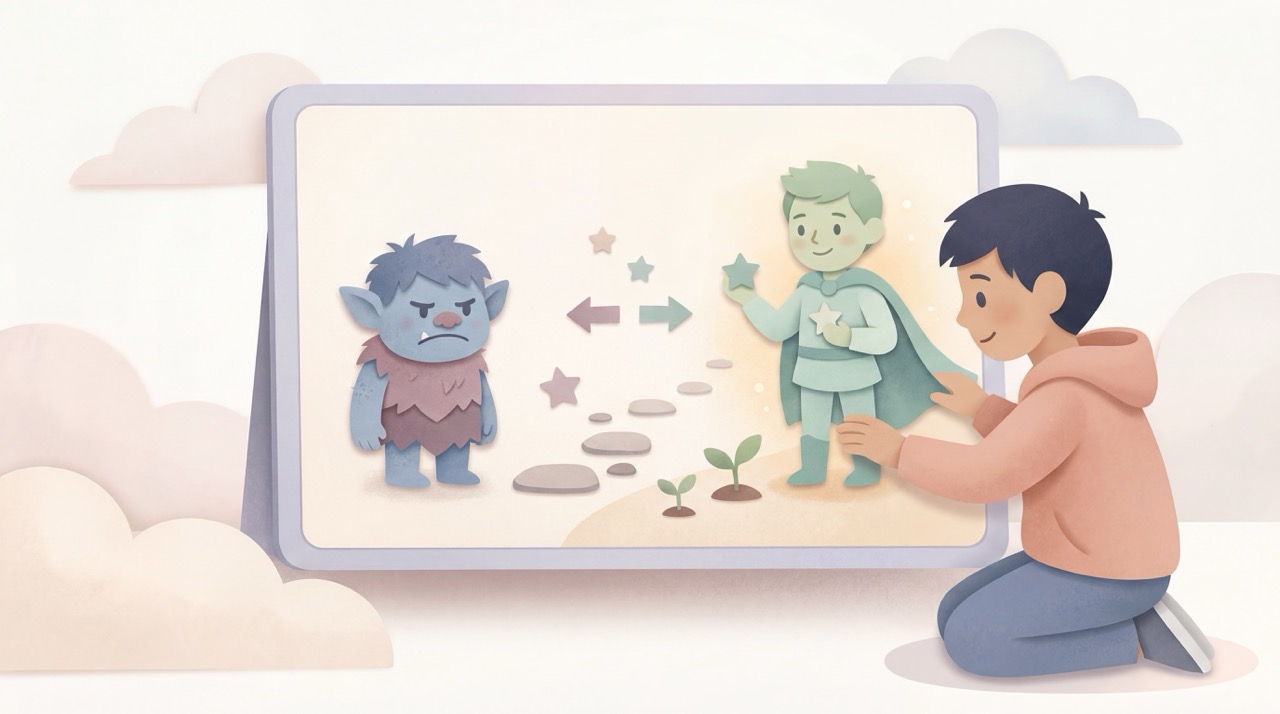
These reinforcements do more than celebrate the moment, they strengthen the brain’s associations between bravery and positive emotion, which supports long-term confidence. This pattern of reinforcement doesn’t just motivate, it begins to shape neural pathways that make brave behavior feel safe and rewarding over time.
One of the most powerful shifts happens when children can see their own growth.
Use trackers or worksheets to capture:
Seeing a downward trend in anxiety or an upward trend in confidence helps kids internalize that they’re changing. These aren’t just numbers on a page they’re proof of progress.
When kids reflect on what worked, they start to notice their own resilience, creativity, and strength.
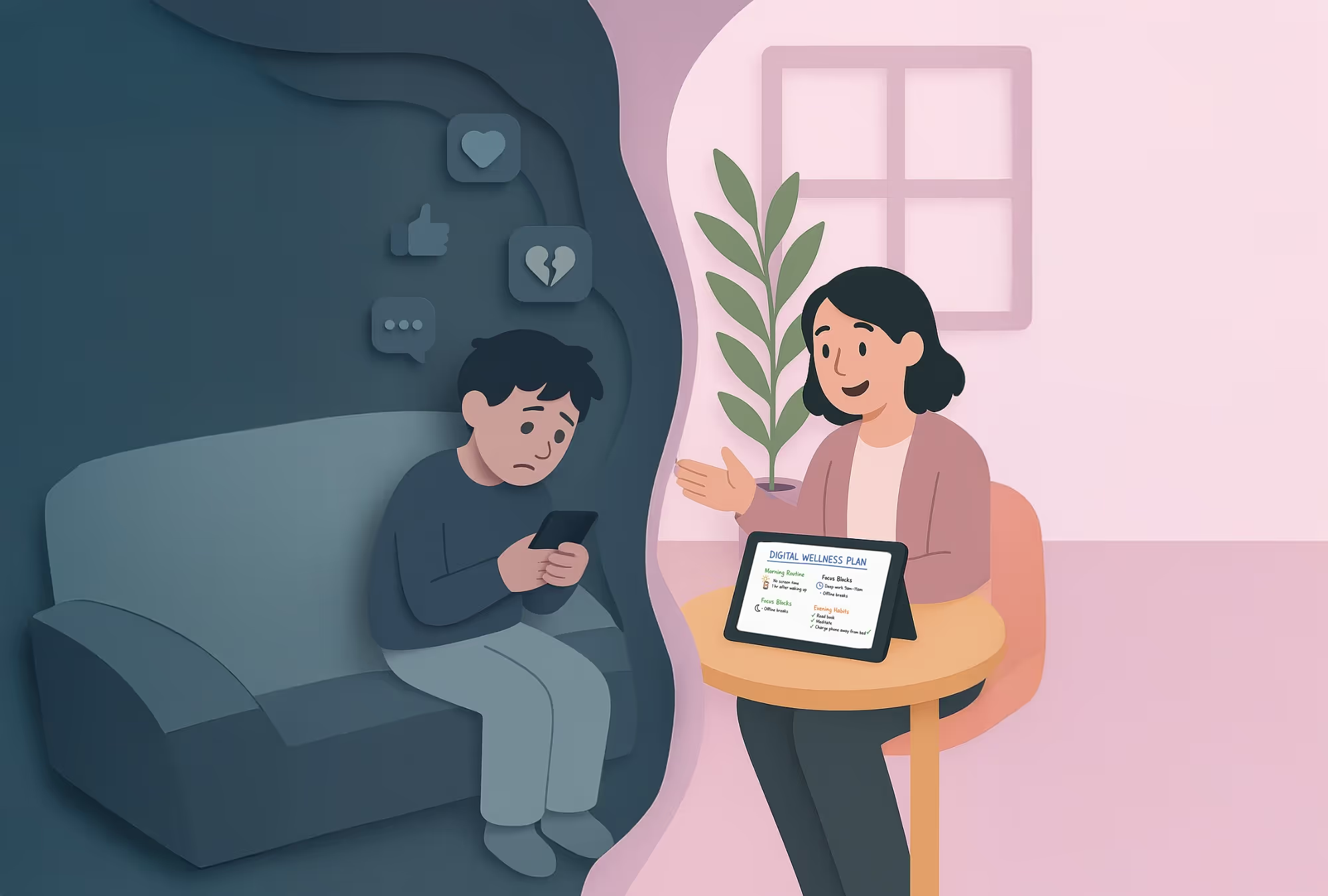
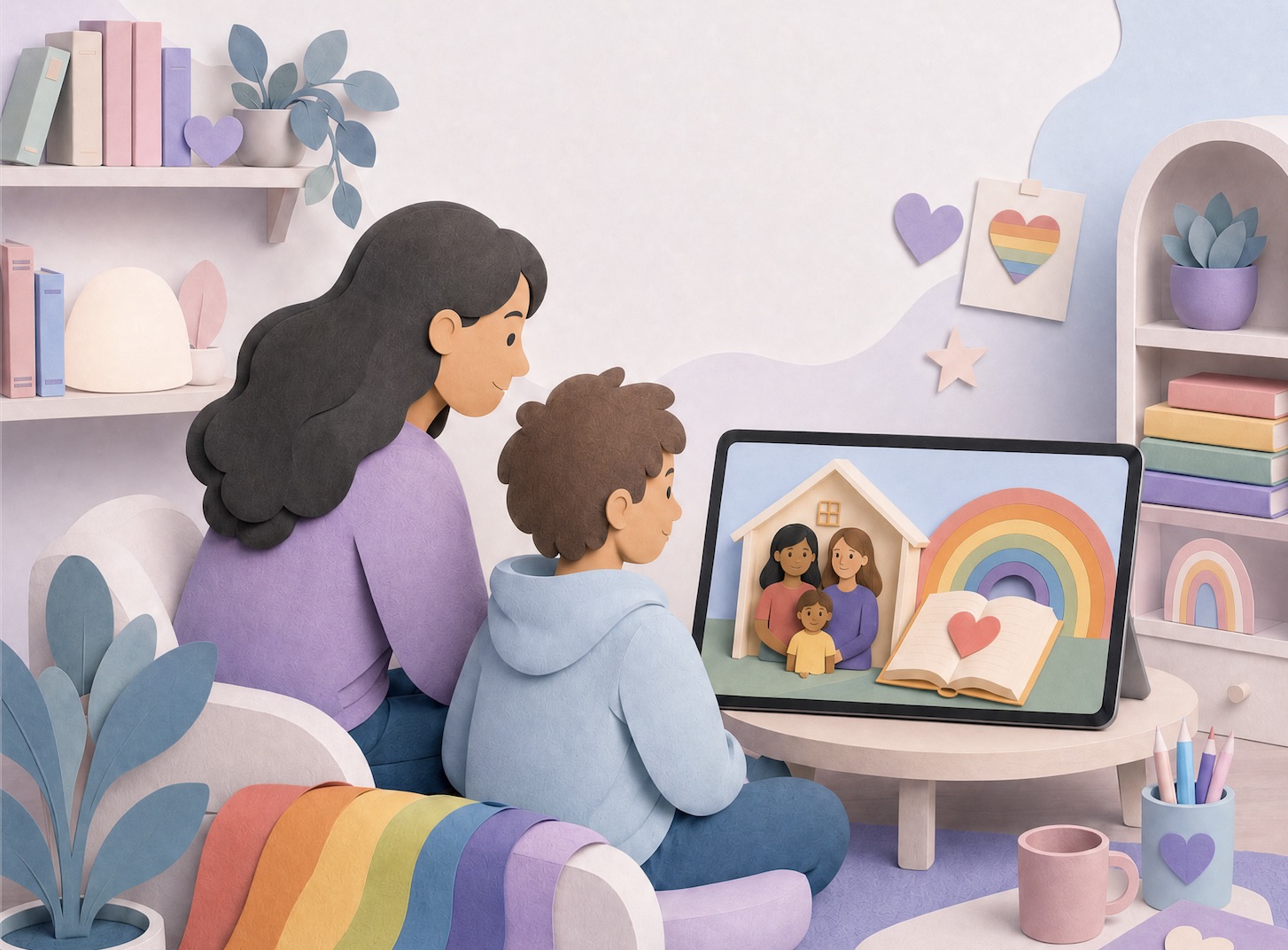
Parents want to help. But sometimes, stepping in too quickly can unintentionally reinforce avoidance.
Using PlaySpace tools, clinicians can help caregivers understand:
Sending the Courage Ladder home creates consistency. Kids start to see that bravery isn’t limited to the therapy room, it’s everywhere in their lives.
Exposure doesn’t need to feel scary in the therapy room. When done creatively, it feels empowering. PlaySpace supports structured exposure work while keeping therapy immersive, secure, and adaptable across hybrid settings.
Ready to help kids level up their bravery?
👉 Try PlaySpace and build interactive Courage Ladders, progress trackers, and story-based reinforcements today.
.avif)
Subscribe to our weekly Newsletter
By clicking 'Submit,' you confirm that you have read and agree to the Privacy Policy, Terms of Use, and Customer Agreement.



.jpg)

.jpg)


.jpg)
.jpeg)