
Anxiety can feel personal. Like something is wrong inside the child. But when we help kids separate themselves from worry, everything shifts.
Externalization reduces shame. It builds self-efficacy. It makes anxiety something we can work with. Let’s explore how to help children externalize worries using play-based tools in both virtual and in-person therapy.
Children often think:
Externalization reframes these thoughts:
When anxiety becomes a character, kids gain:
Here are some creative ways to integrate externalization strategies into your sessions:
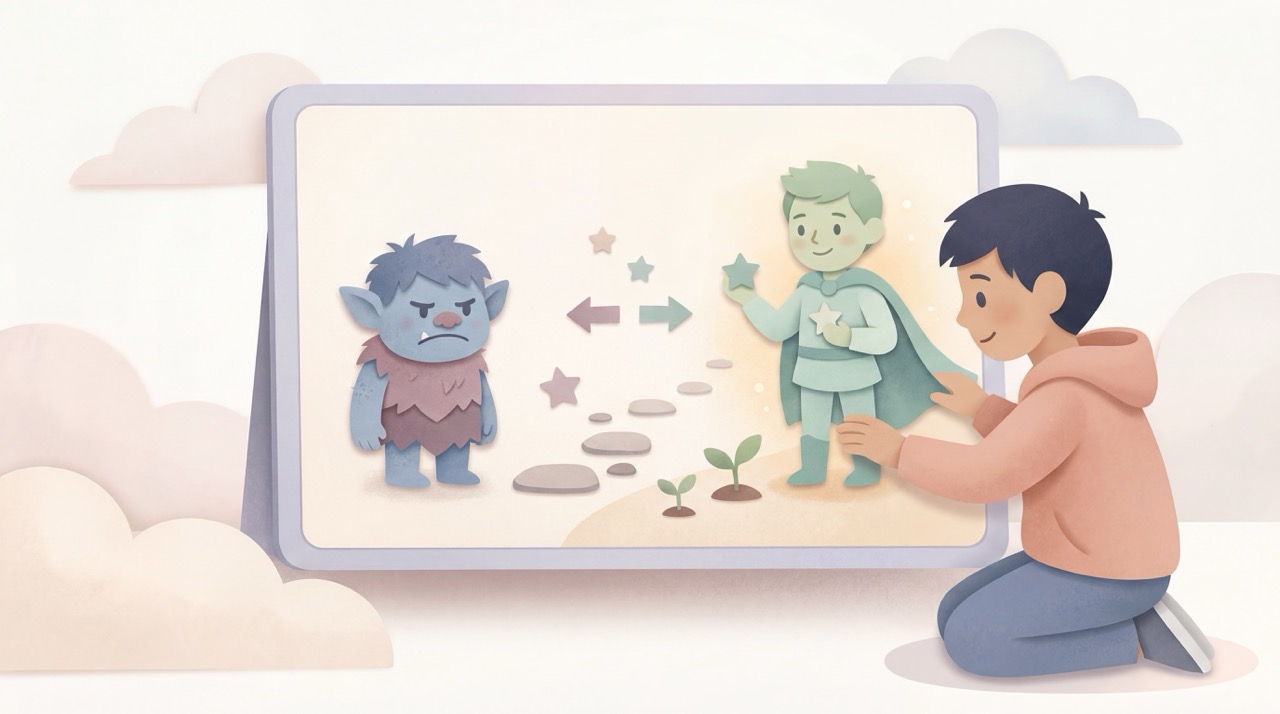
Give anxiety a name, shape, and personality.
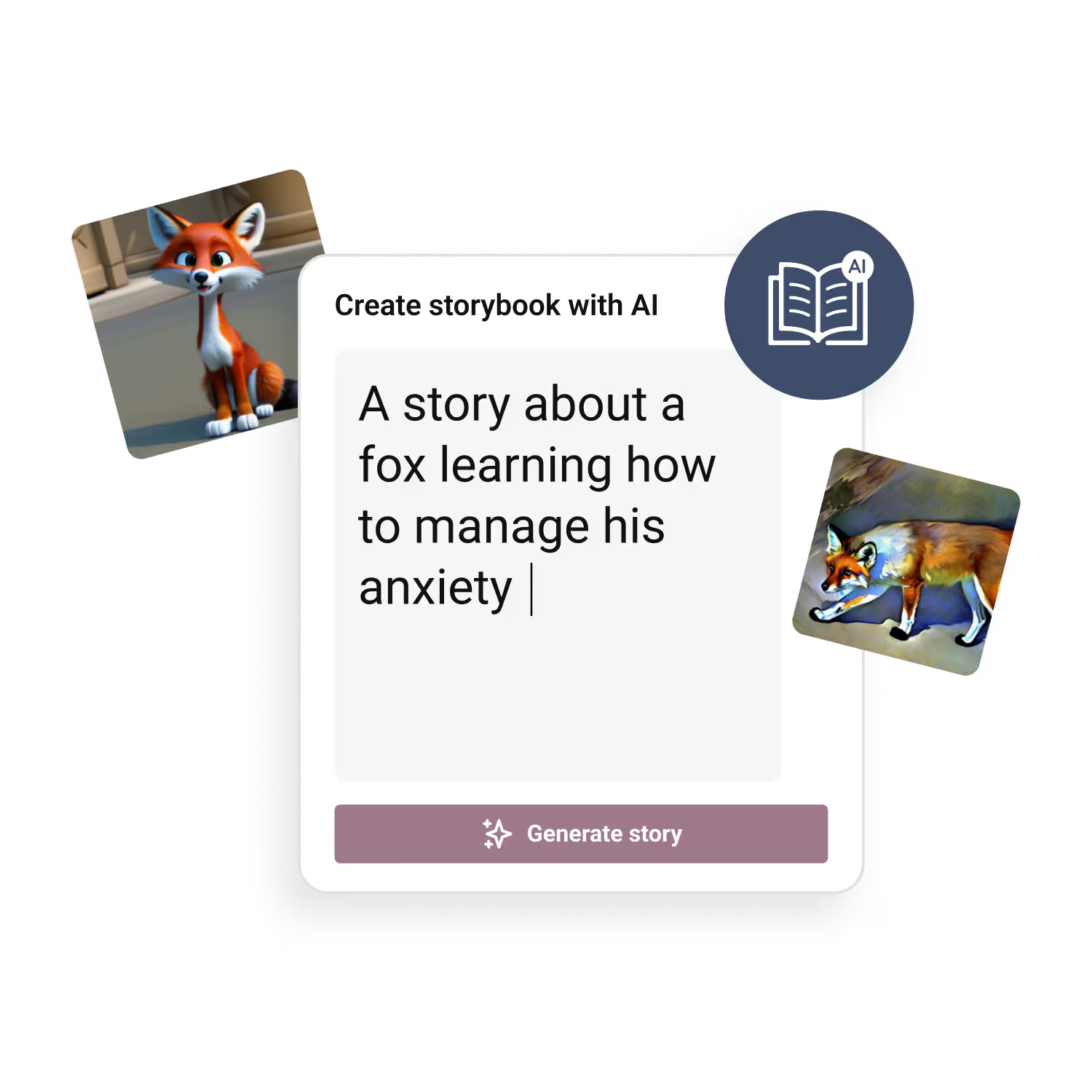
Create a personalized story for your client's worries and worry character:
The AI tool helps generate a personalized narrative quickly.
.avif)
Draw the worry together:
In virtual sessions, shared drawing builds engagement. In person, use a tablet and let the child physically draw or design.
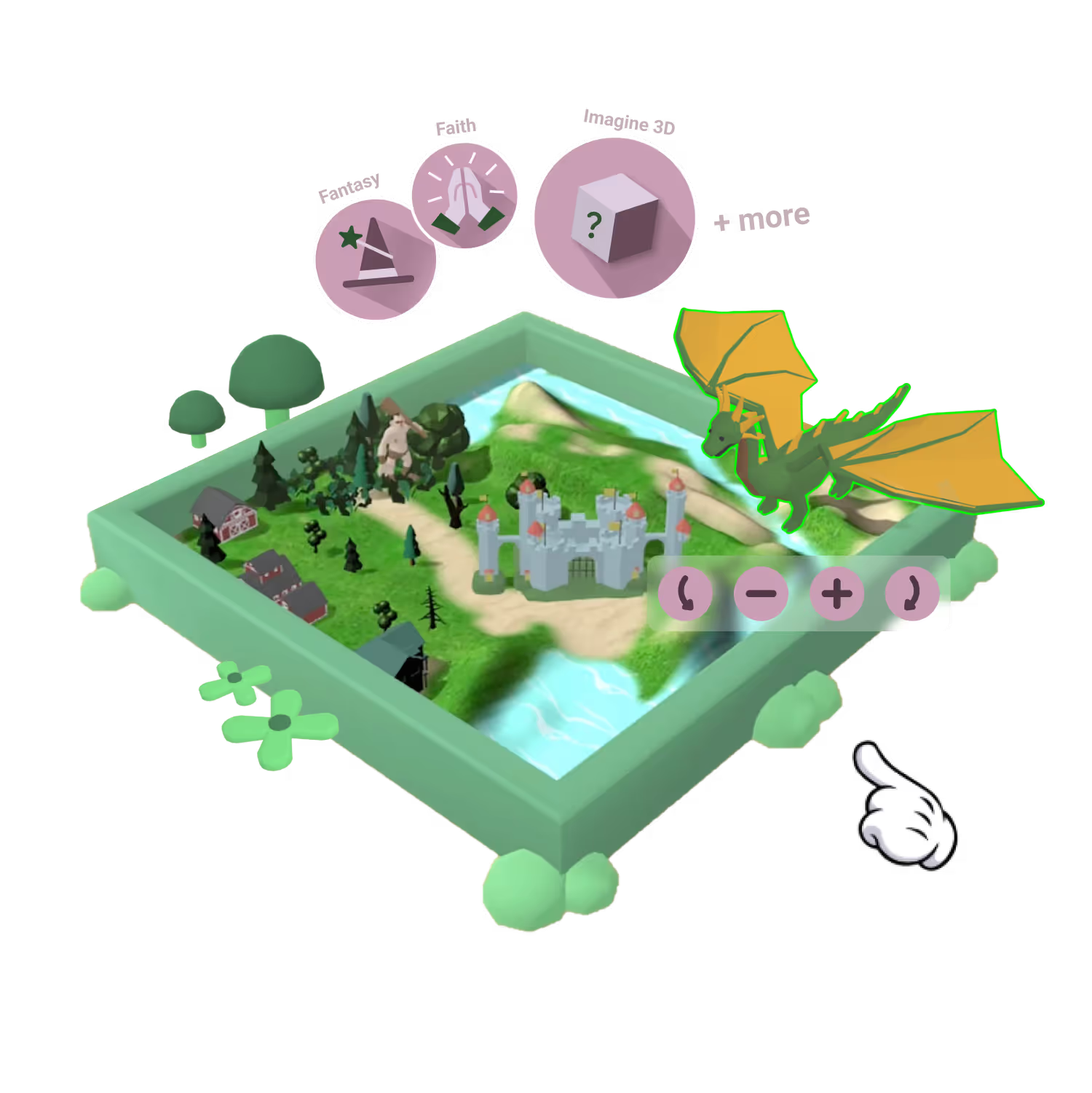
Some children struggle to describe worries verbally.
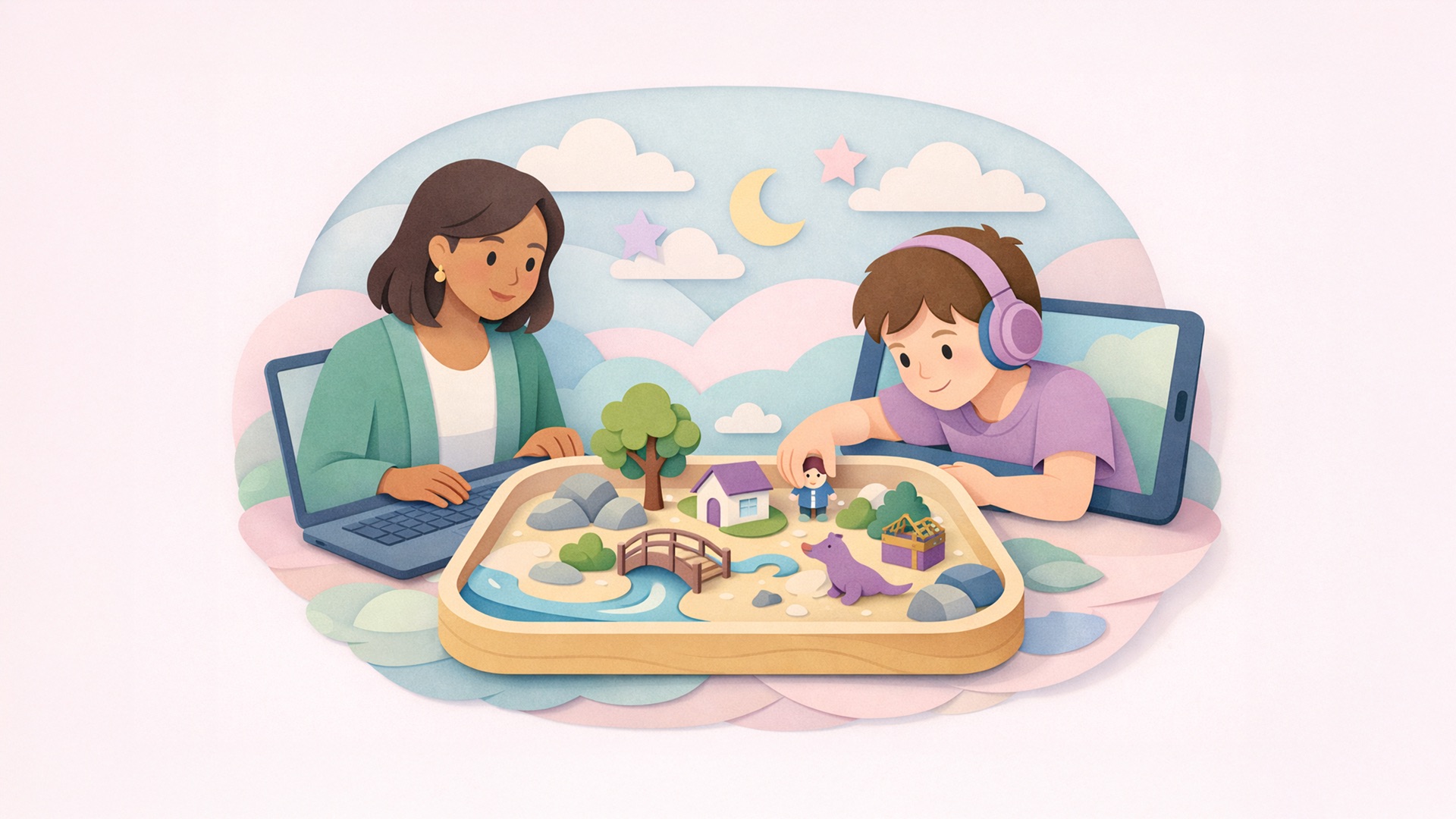
Symbolic play opens the door.
Ask:
Because the anxiety is outside the child in the tray, they can explore it safely.
This works beautifully in virtual settings where physical sand tray tools aren’t available.
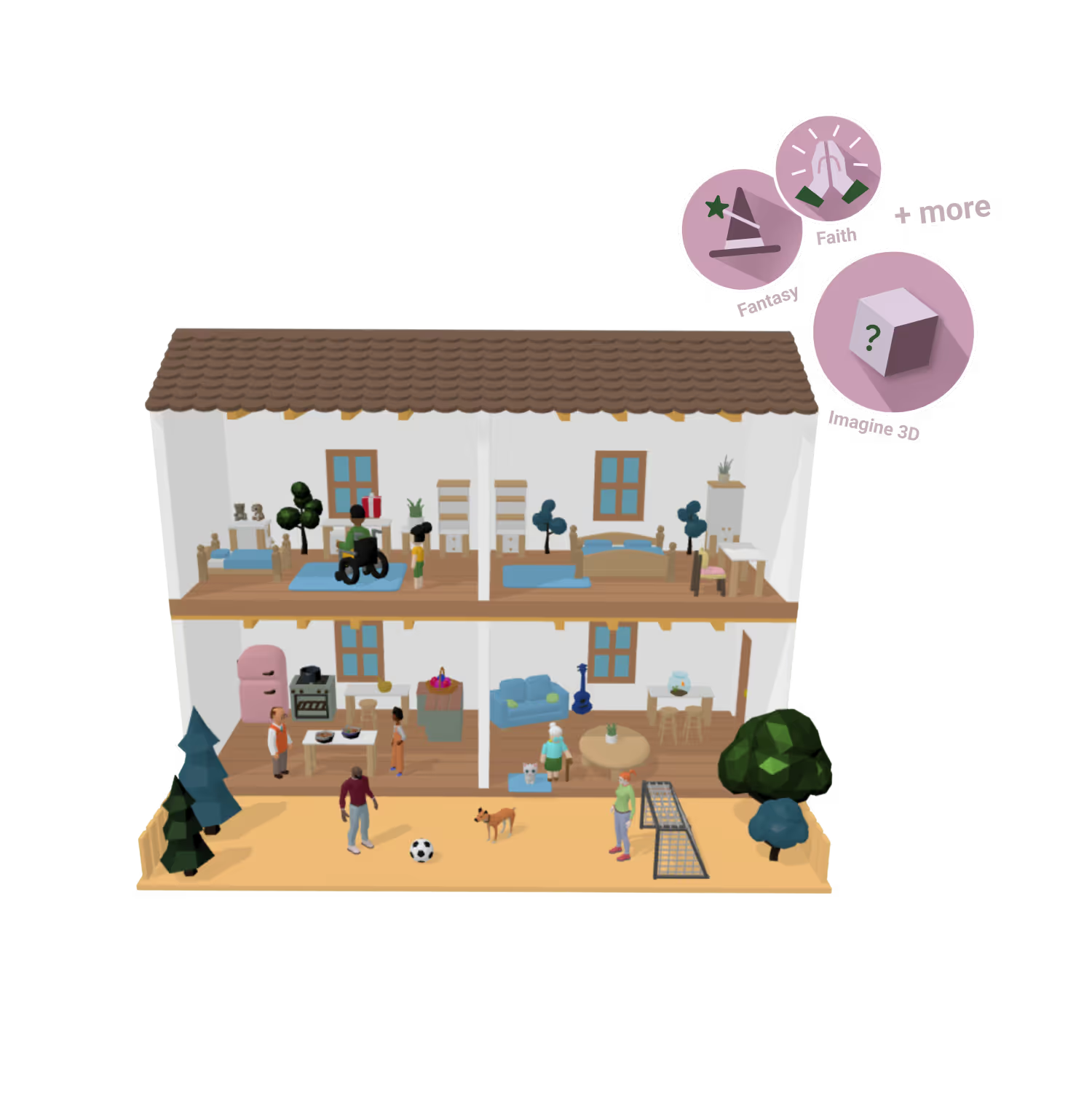
For separation anxiety, school refusal, or family-based worries:
Use the Dollhouse Tool to:
You might say:
“Let’s see what Worry says when it’s time for school.”
Children often project internal fears through characters more freely than direct questioning.
Once externalized, build communication skills.
Try:
You can document this conversation on the whiteboard or inside a slide.
The goal isn’t to eliminate anxiety. It’s to build relationship and learn how to respond flexibly when it shows up.
Externalization is a powerful tool, as it reduces shame, builds agency, and increases engagement. PlaySpace makes it easy to integrate externalization strategies into sessions whether they are happening virtually or in-person - all within a secure, SOC 2 compliant platform built for therapists.
Ready to help kids talk back to Worry?
👉 Try PlaySpace and explore the AI Storybook Creator, Sandtray, Dollhouse, and Whiteboard tools today.
.jpg)
Lorem ipsum dolor sit amet, consectetur adipiscing elit, sed do eiusmod tempor incididunt ut labore et dolore magna aliqua. Ut enim ad minim veniam, quis nostrud exercitation ullamco laboris nisi ut aliquip ex ea commodo consequat. Duis aute irure dolor in reprehenderit in voluptate velit esse cillum dolore eu fugiat nulla pariatur.
Block quote
Ordered list
Unordered list
Bold text
Emphasis
Superscript
Subscript
.avif)
Subscribe to our weekly Newsletter
By clicking 'Submit,' you confirm that you have read and agree to the Privacy Policy, Terms of Use, and Customer Agreement.



.jpg)


.jpg)




.jpeg)