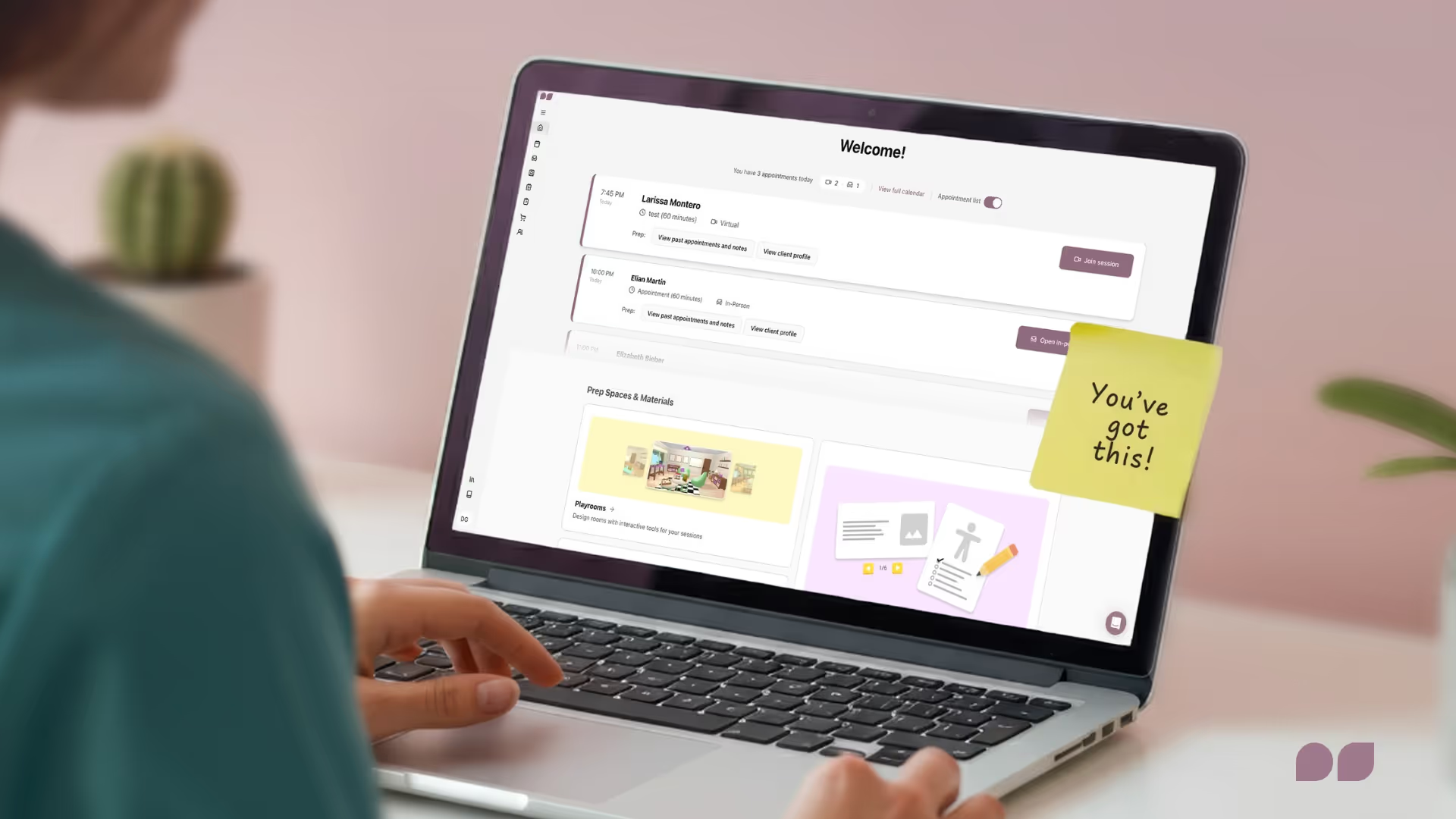

Once kids can talk about their worry, they need tools to handle it. Coping skills aren’t worksheets. They’re practiced experiences.
Here’s how to build regulation and coping skills for anxious children in ways that actually stick.
Anxiety lives in the nervous system.
Before challenging thoughts, regulate physiology.
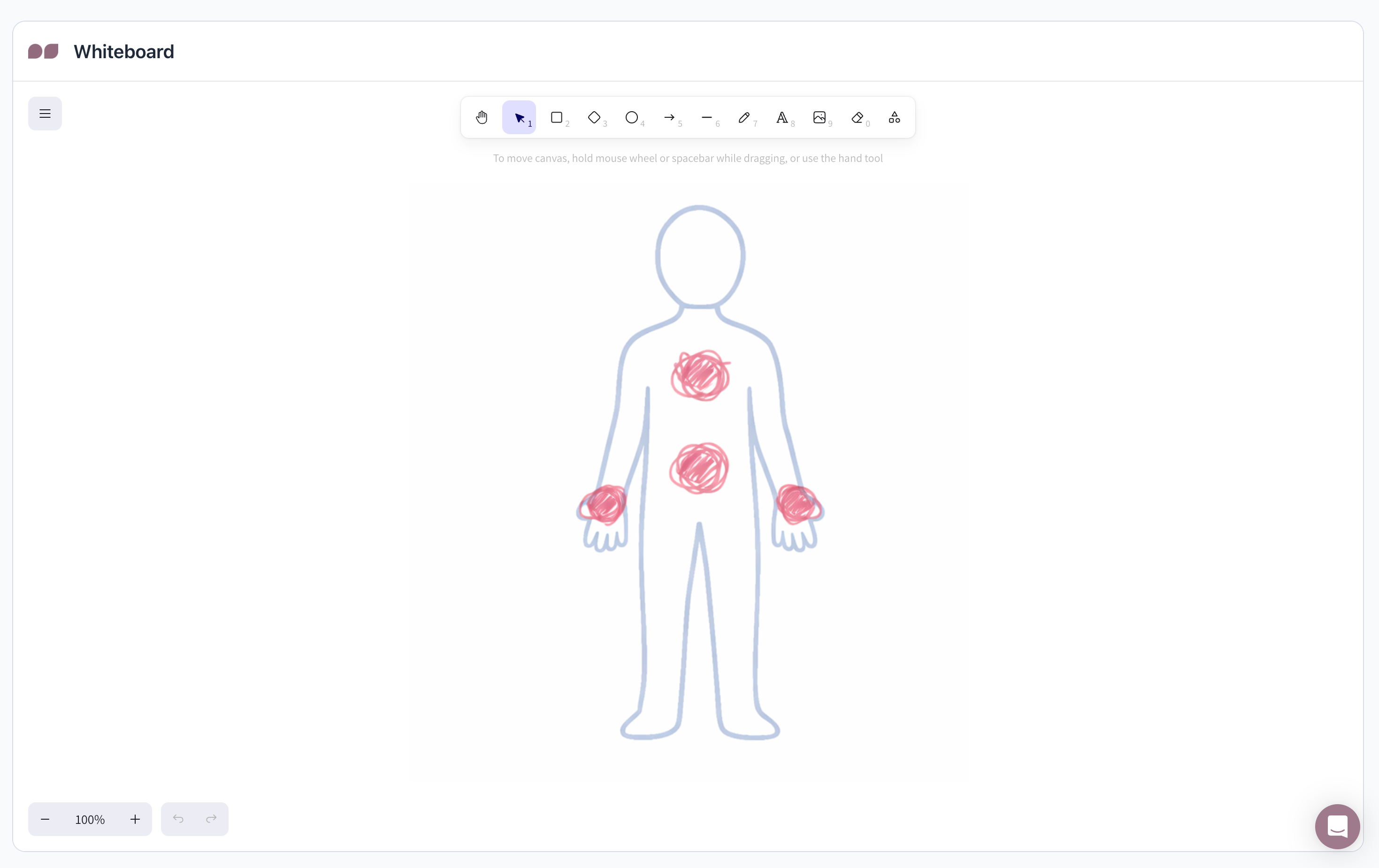
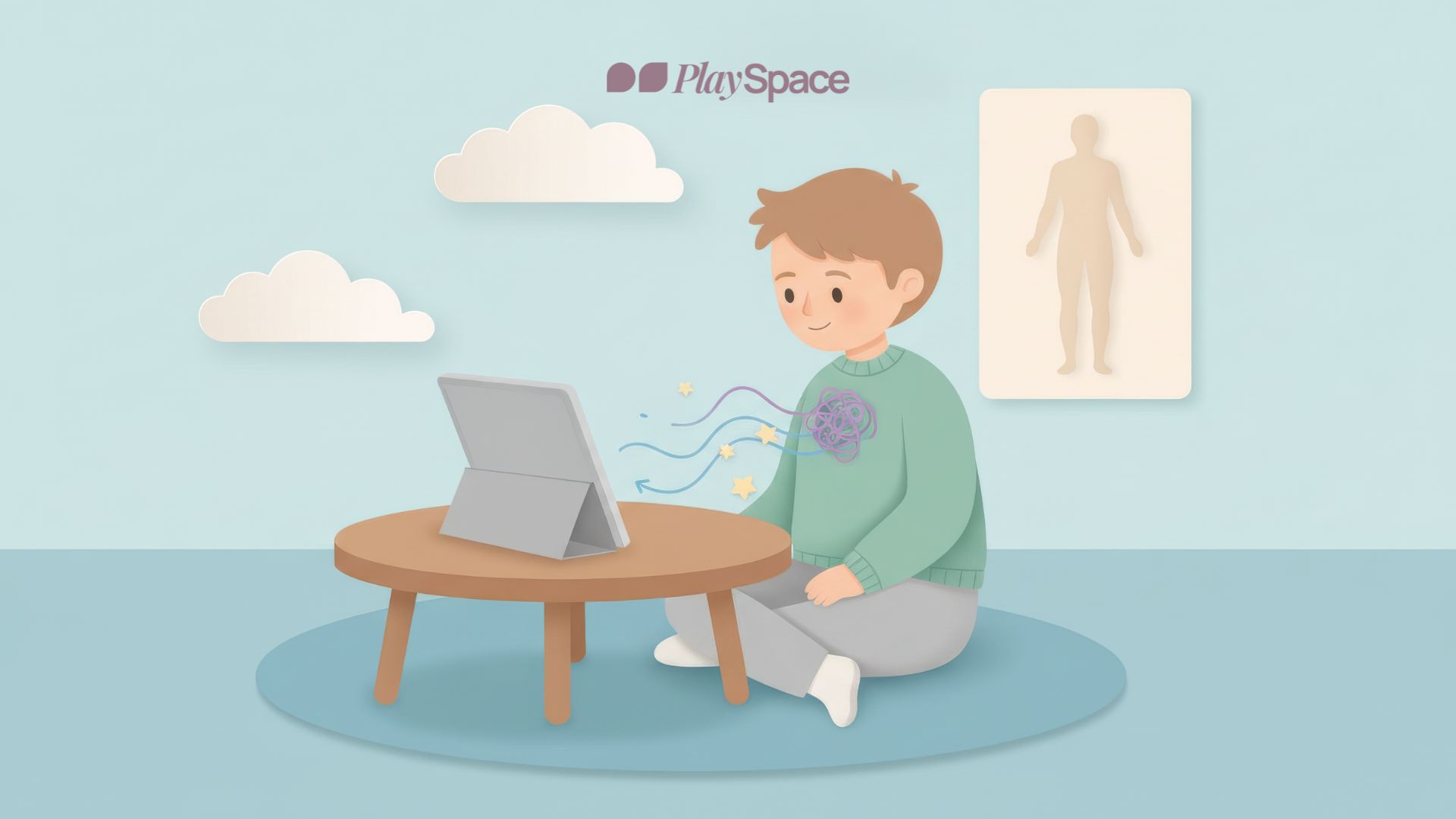
Use the whiteboard for body mapping
Draw where anxiety shows up:
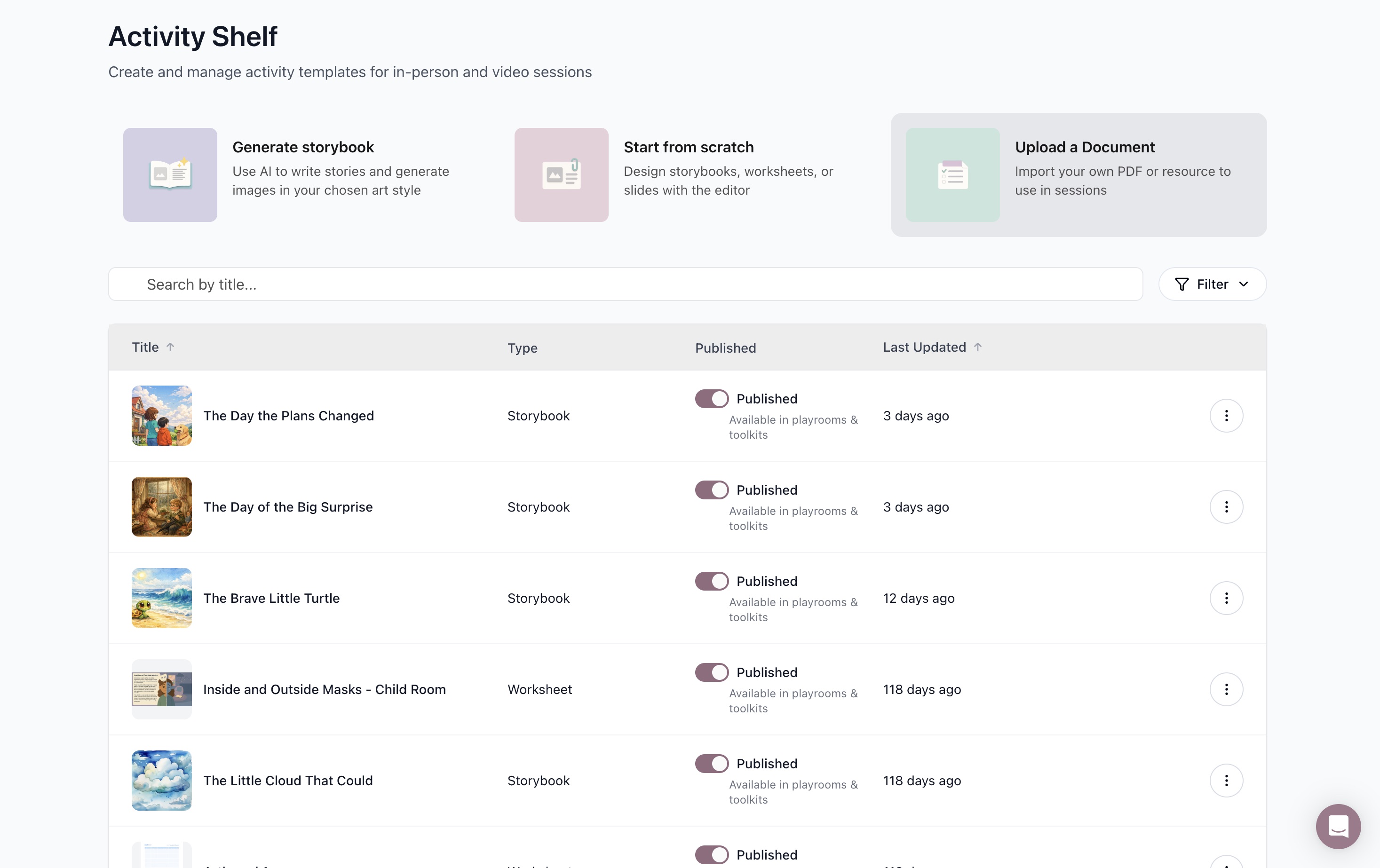
Uploading your favorite worksheets to the activity shelf
Add breathing visuals, grounding prompts, or calming exercises.
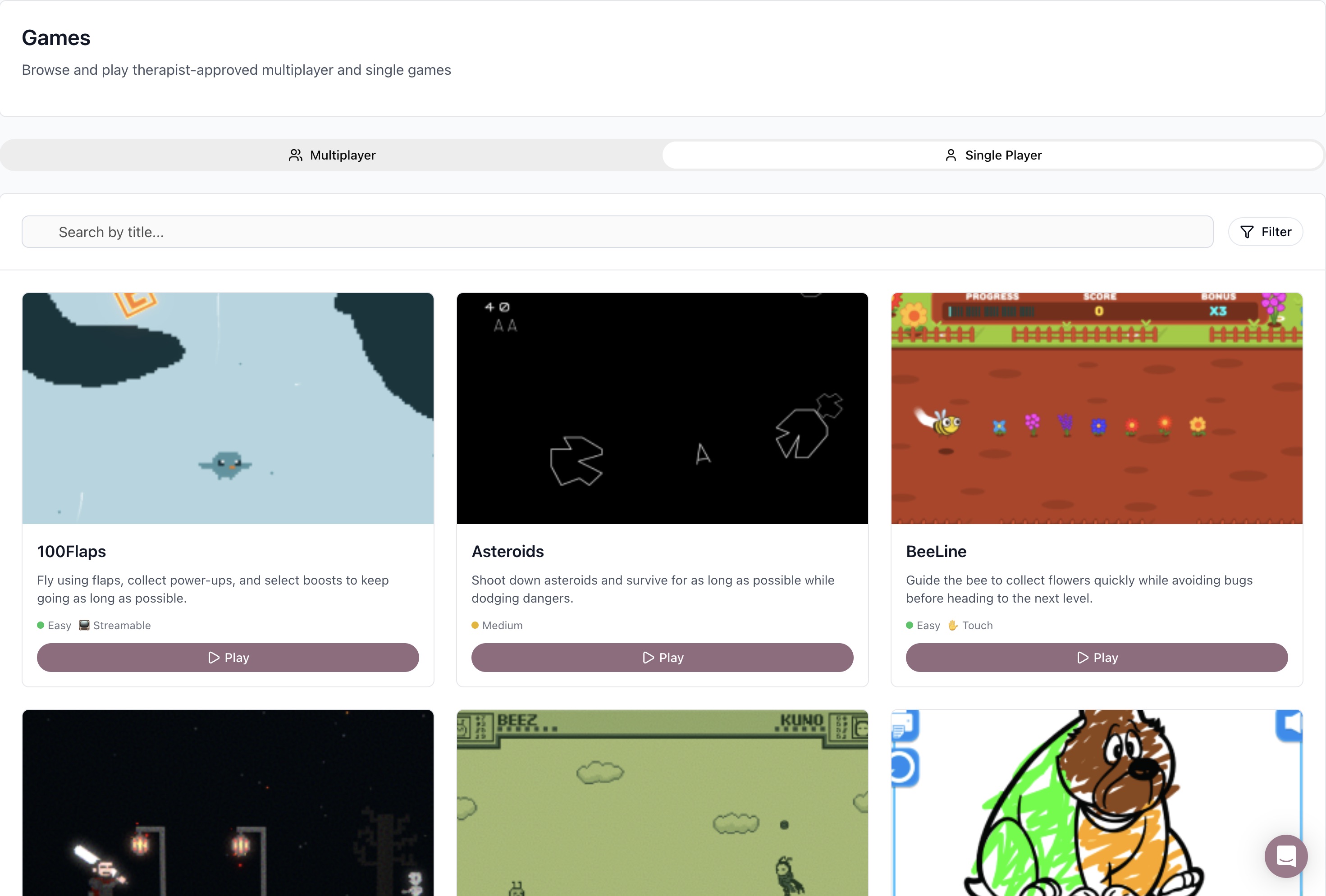
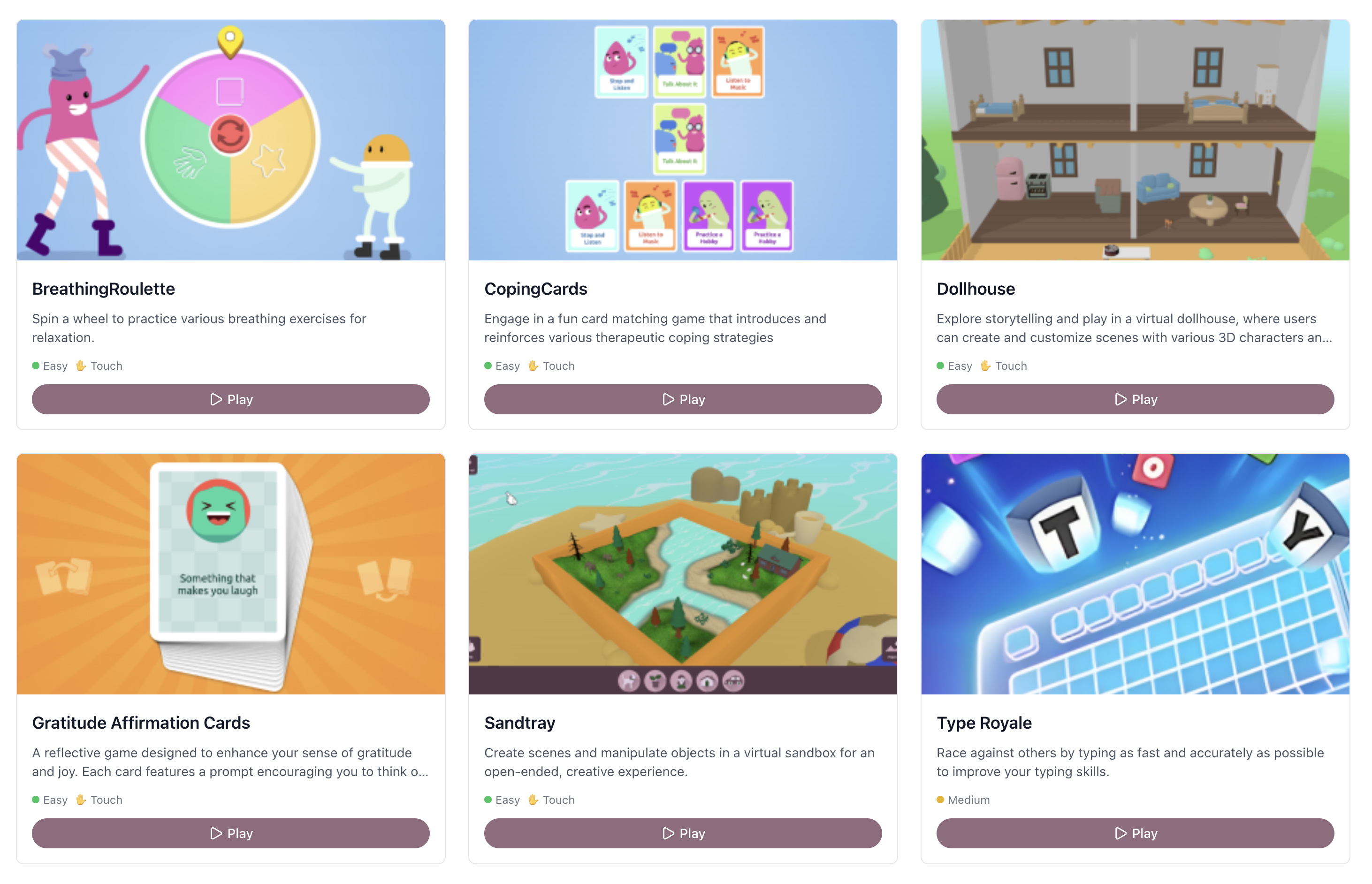
Single-Player games that focus on regulation
Use slow-paced games to reset arousal before deeper processing.
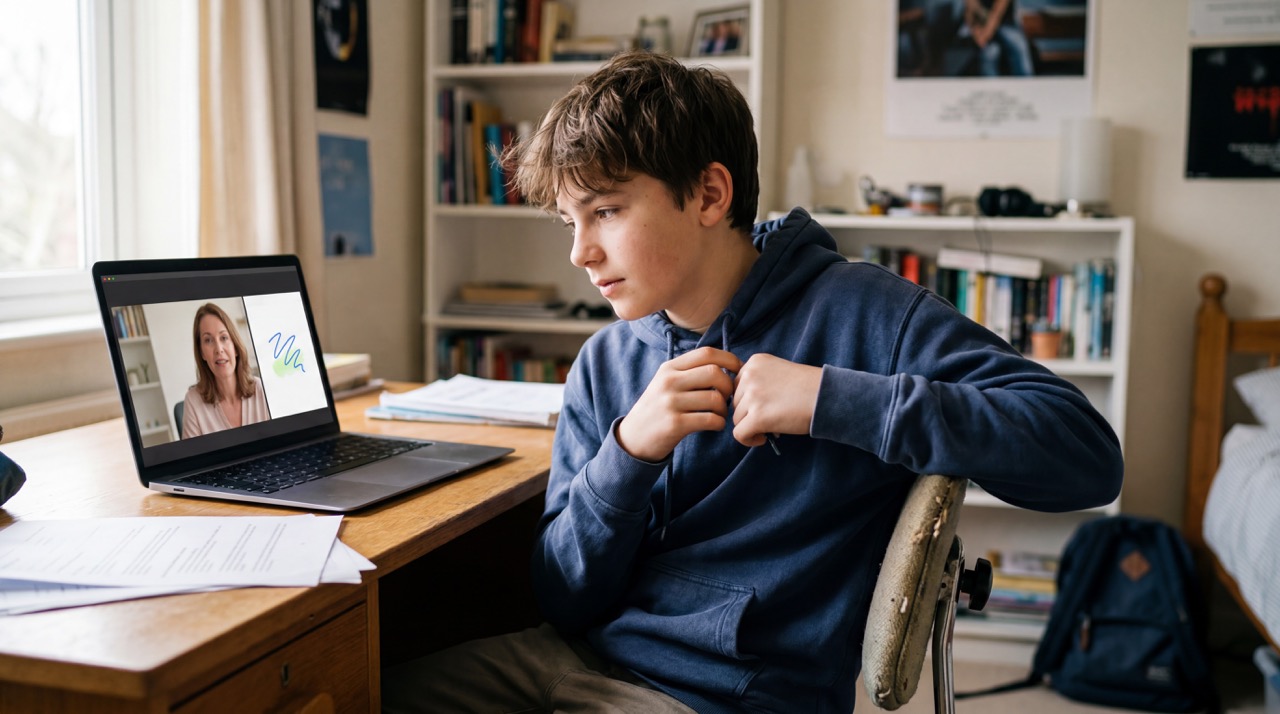
Supporting client's in person? Use these tools on a tablet alongside real sensory tools.
Skills stick best when practiced mid-activation.
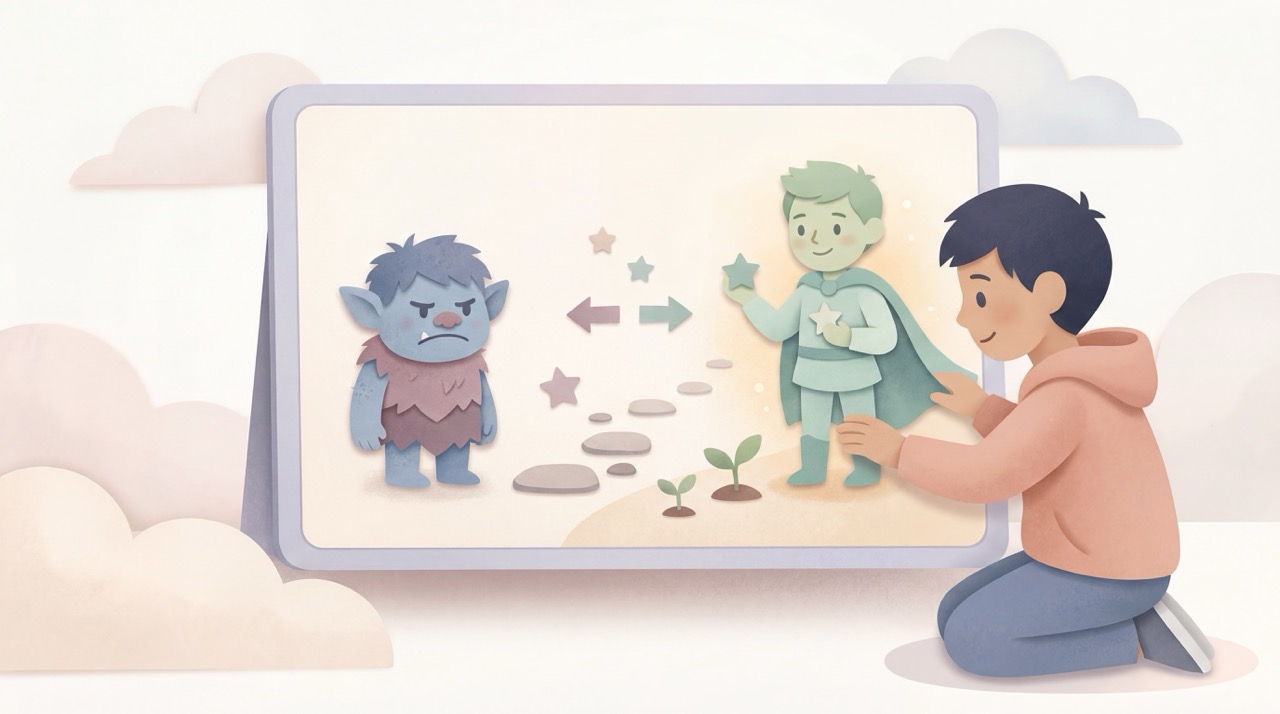
Multi-player games create natural moments of:
Pause mid-game:
This builds real-time regulation. PlaySpace has 20+ multi-player games to choose from.
Use a simple therapeutic worksheet to track:
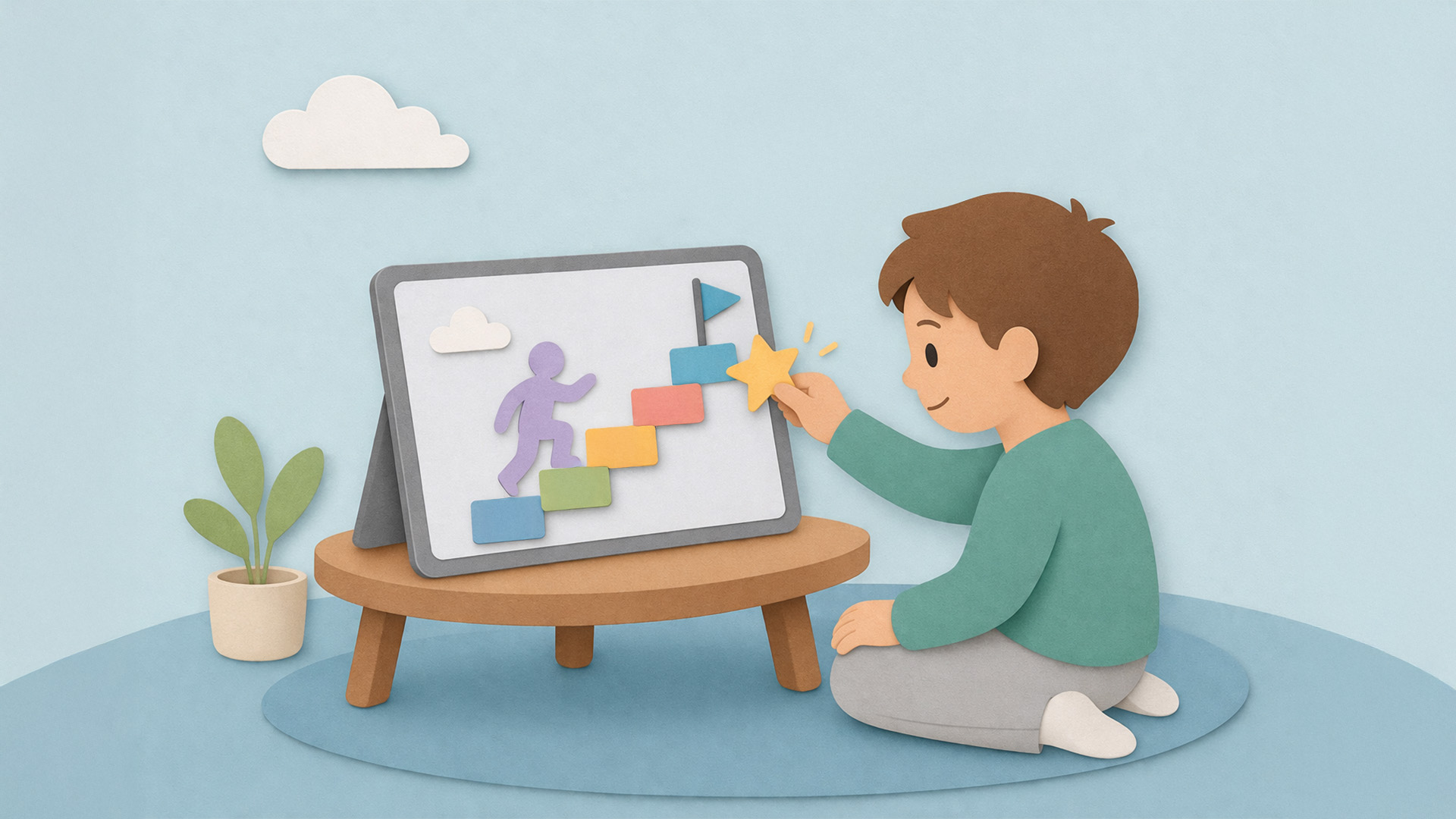
Celebrate micro-wins. Engagement increases consistency. Consistency increases mastery.
Coping skills shouldn’t feel clinical. They should feel doable.
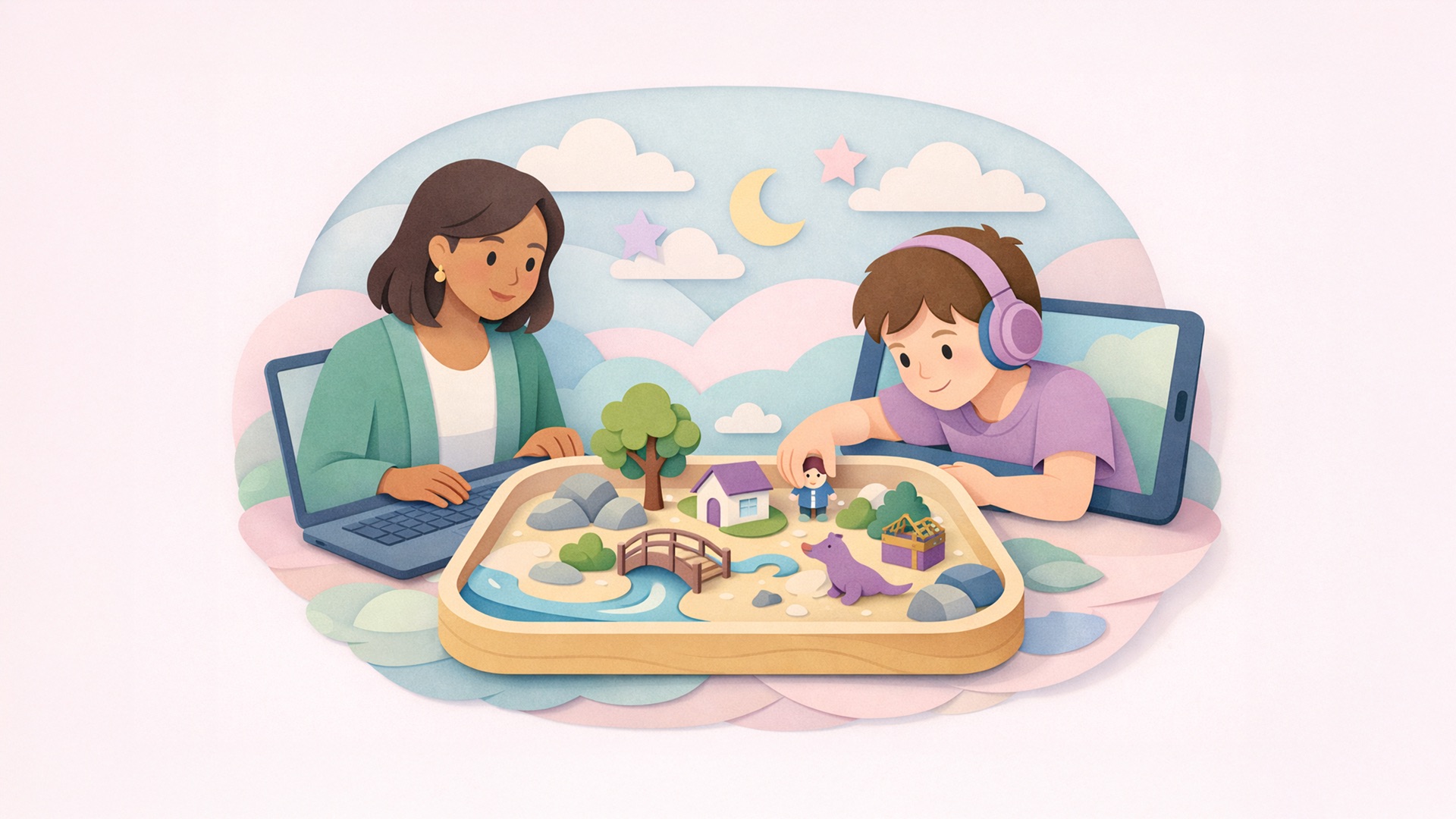
PlaySpace makes it easier to integrate regulation, — whether virtual or in-person.
.avif)
Subscribe to our weekly Newsletter
By clicking 'Submit,' you confirm that you have read and agree to the Privacy Policy, Terms of Use, and Customer Agreement.



.jpg)

.jpg)

.jpg)
.jpeg)