World Mental Health Day is more than a date on the calendar. It’s a global reminder: mental health care should be accessible to all.
But we know that for too many children and teens, barriers still stand in the way. Whether it’s geography, stigma, or limited resources, access to therapy isn’t always as simple as booking a session. At PlaySpace, we believe accessibility isn’t just about reaching more people, it’s about making therapy truly usable, engaging, and effective for every client who walks through a virtual or in-person door.
Why Accessibility Matters in Youth Mental Health
Accessibility isn’t only about increasing availability of therapists. It’s about ensuring care is:
- Geographically reachable: Kids in rural or underserved communities often lack specialized providers.
- Culturally approachable: Many young clients, especially teens, hesitate to engage due to stigma.
- Developmentally engaging: A child who struggles in traditional talk therapy may thrive when therapy is play-based.
- Consistently available: In-person care can be disrupted by illness, transportation, or school schedules.
World Mental Health Day is a reminder to recommit to breaking down these barriers and technology is one of our most powerful tools for doing so.
How PlaySpace Expands Access
Built by therapists, for therapists, PlaySpace was designed with accessibility at its core. Clinicians use our platform to bring therapy to more children and teens by offering tools that are:
- Anywhere, anytime: Clients can log in from home, school, or clinic.
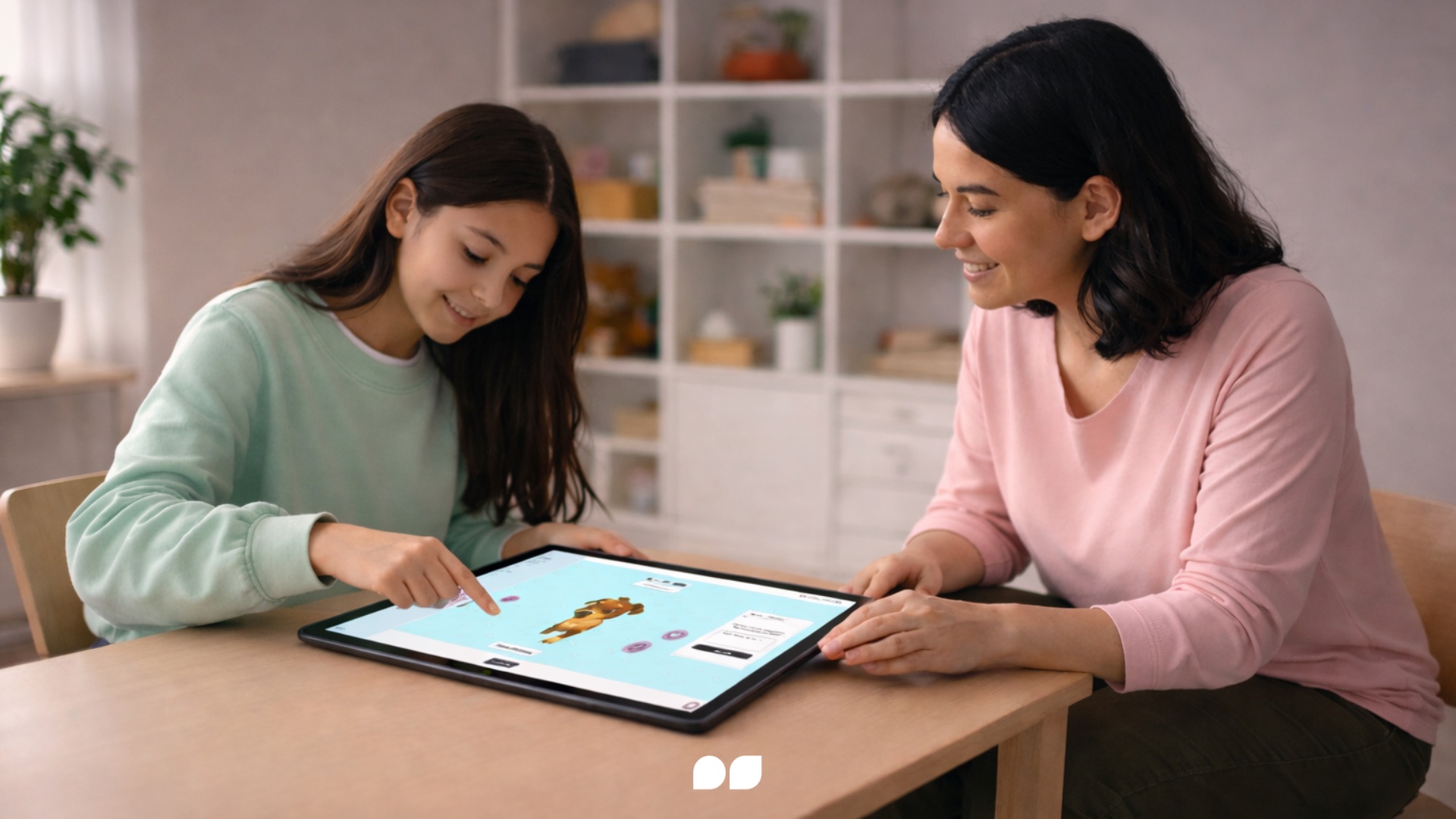
- Engagement-first: Multiplayer games, the AI storybook creator, and the dollhouse spark curiosity and openness.
- Efficient for therapists: The whiteboard, slides, and worksheets reduce prep time while supporting evidence-based interventions.
- Stigma-reducing: Therapy feels less intimidating when it looks and feels like play and clients can join from a safe and private place, such as their home.
What Accessibility Means to Therapists
Therapists already know that accessibility is more than convenience. It’s the difference between a child getting support when they need it or slipping through the cracks.
- It’s the teen in a rural community who no longer has to drive hours for care.
- It’s the child whose anxiety makes it hard to step into a clinic but who feels safe logging in from home.
- It’s the neurodiverse client who communicates best through play, not words, and now has tools that meet them where they are.
PlaySpace helps therapists extend their reach in these moments. By blending creativity, technology, and evidence-based design, the platform removes barriers so more children can experience therapy that feels safe, engaging, and effective.
Accessibility, at its core, is about possibility: every child deserves the chance to be seen, heard, and supported.
Technology as a Bridge, Not a Barrier
Some worry technology distances therapists from clients. But PlaySpace is built to enhance connection, not replace it:
- In-clinic: Therapists use laptops or tablets to integrate play-based tools alongside face-to-face work.
- Virtual: Telehealth clinicians use the same toolkit to bring therapy into homes.
- Across both: Therapists standardize interventions, track progress, and maintain rapport.
Accessibility doesn’t mean less personal. It means therapy is reliable, flexible, and ready whenever a child needs it.
Celebrating World Mental Health Day with Purpose
This World Mental Health Day, let’s remember: mental health care should never be a privilege. Accessibility means removing barriers so every child and teen can engage in therapy that works for them.
PlaySpace exists to support therapists in that mission, making therapy not only accessible, but also engaging, evidence-based, and effective.