What Are Multiplayer Games on PlaySpace?
Multiplayer games on PlaySpace are designed for two or more people to play together, either in person or across screens. Our games range from classic strategic games and card matches to creative tools that encourage emotional exploration.
Each game includes options for different skill levels and themes, such as “Action,” “Brain Game,” or “Art” to match the goals of your session.
Here are some of our favourites:
Connect 4 A classic strategy game that encourages turn-taking, planning ahead, and coping with both wins and losses.
Foon-O A colorful card game that helps clients work on emotion regulation, flexible thinking, and managing frustration in a fun environment.
Checkers Builds patience and focus while helping clients practice decision-making and learning from mistakes.
Dollhouse A storytelling tool ideal for exploring topics such as family, identity, and transitions. This is especially helpful for younger or neurodivergent clients.
Gratitude Affirmation Cards A reflective card game that helps clients identify strengths, shift toward positive thinking, and increase self-awareness.
Breathing Roulette Introduces calming breathing exercises in a playful way. It is useful for transitioning between activities or teaching mindfulness.
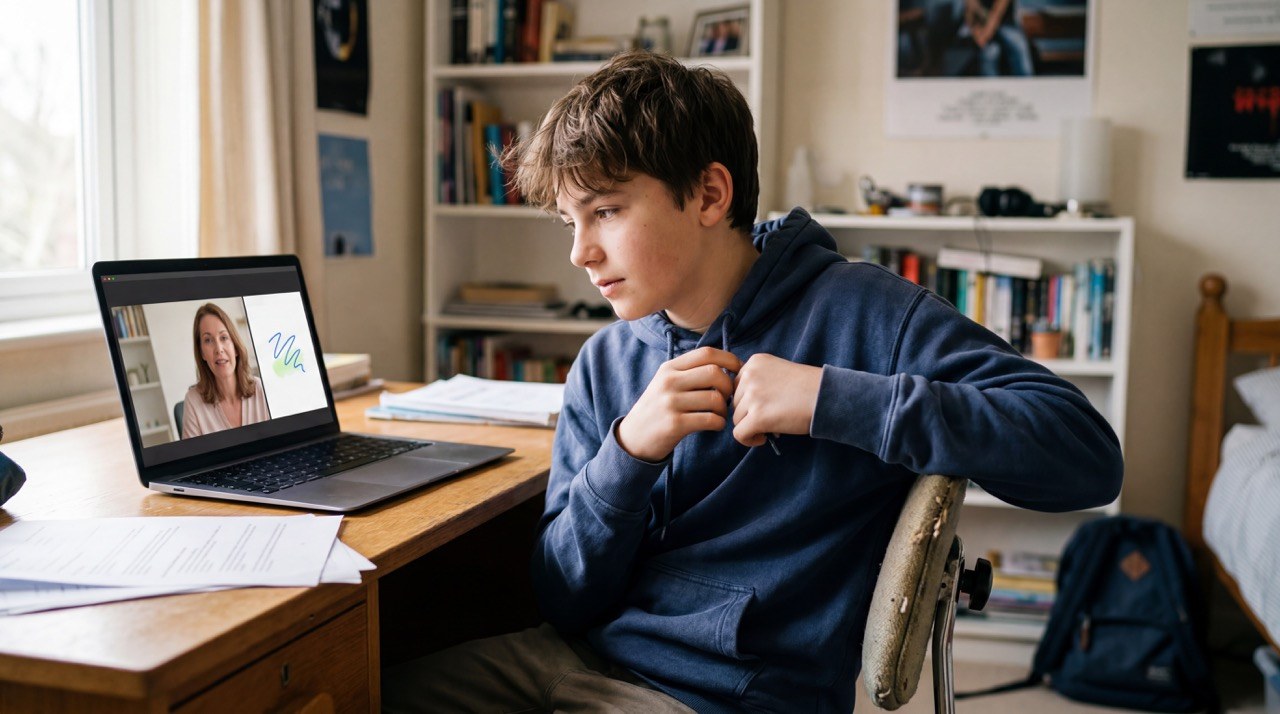
Whiteboard A creative space where clients and therapists can draw, role-play, or map out emotions and goals in a visual format.
Why Multiplayer Games Are Effective in Therapy
Co-Regulation in Real Time: Multiplayer games help clients manage their emotions while interacting with others. Whether they are working together or competing, clients learn to stay regulated while being with another person. This is an important skill for those dealing with anxiety, trauma, or relationship challenges.
Connection Without Pressure: Some clients, especially teens or neurodivergent individuals, find direct conversation difficult. Multiplayer games create a side-by-side experience that feels safer and more natural than face-to-face discussion, while still building meaningful connections.
Building Trust and Rapport: Even simple games can quickly build a sense of trust between therapist and client. Shared laughter, collaboration, and reflection after a game can strengthen the therapeutic relationship and encourage engagement.
Practicing Healthy Boundaries and Competition: Games offer clients a safe way to explore emotional control, sportsmanship, and how to handle disappointment. These are skills that support healthy relationships and self-regulation.
Developing Communication and Collaboration Skills: Many games require turn-taking, problem-solving, and shared decision-making. These activities give clients a chance to practice important communication skills in a structured but low-pressure setting.
Games as an Opportunity to Connect
Therapists sometimes wonder if games are just a way to pass the time. In fact, games can offer a clear view into how clients react to stress, solve problems, ask for help, or cope with conflict.
Here are some examples of common reflective questions that can come from gameplay:
- “How did you feel when I blocked your move?”
- “What helped you stay calm during that challenge?”
- “You let me win. Was that kindness or something else?”
These moments create openings for deeper insight and emotional growth.
Looking Ahead
At PlaySpace, we are always improving our multiplayer tools based on feedback from therapists. Whether you are helping a child build social skills, reconnecting with a withdrawn teen, or guiding a parent and child through play, there is a game designed to support your work with intention, creativity, and care.